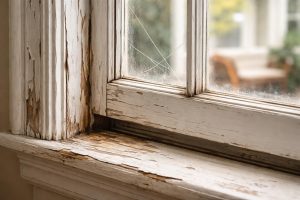

Why Sash Windows Rattle—and Which Repair Addresses the Cause depends on identifying which part is moving: the sash, its beads and fittings, the glass, or the timber frame. A few careful checks can help you describe the noise and choose a repair that restores quiet operation without trapping the window.
Key Takeaways
- Listen with the window closed and locked, then at different sash positions, to see whether the noise changes with the fit or fastener.
- Wind and passing traffic can make existing slack in a sash, bead, pane or fitting more noticeable.
- Movement across the whole sash points towards a different repair from a rattle localised to the glass.
- Loose beads, a poorly engaging sash fastener, failed glazing putty and gaps each need a repair suited to that component.
- After any adjustment or draught-proofing, check that the sash still travels freely and locks properly.
- Sound timber may allow a targeted repair; widespread decay or several failing components can call for broader restoration.
Start With a Safe Check of When the Rattle Happens
To find why a sash window rattles, begin without dismantling anything. Listen with the window closed and locked, then open it a little and try other positions; if the sound changes, the sash fit or locking may be involved.
Notice what is happening outside when the noise starts. Wind and passing traffic can vibrate a window enough to reveal existing slack in the sash, beads, glass or fittings, even when the window is quiet at other times.
Look at the meeting rails, where the upper and lower sashes meet, and check that they sit together. Engage the sash fastener as well: a window can look shut while the rails remain slightly apart or the lock fails to pull them into place.
Do not press or tap glass to test it. If a pane is cracked or visibly loose, stop the checks and arrange a professional assessment, since handling an unstable pane can cause injury.
Check the Sash, Beads and Hardware for Movement
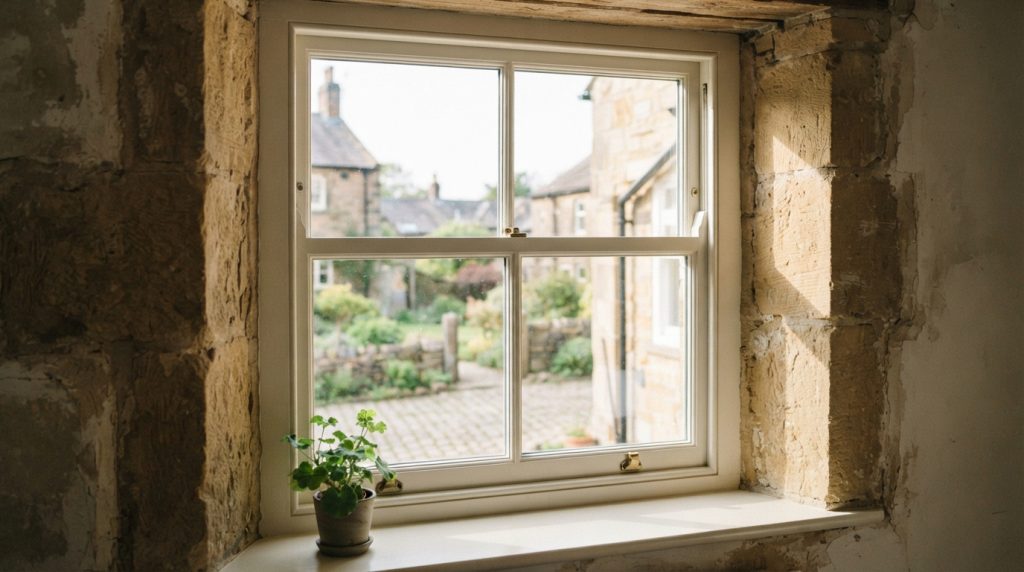
If the whole sash shifts within its opening, worn or loose staff beads and parting beads may be leaving too much play. These beads guide and hold the moving sashes in the sash box, so refitting or replacing an affected bead can steady the sash while keeping it on its proper track.
A rattle at the meeting rails calls for a close look at their alignment and the sash fastener. A loose or poorly adjusted fastener may fail to draw the rails together; repairing or adjusting it can remove the movement rather than simply muffling its sound.
A sash that binds, sits unevenly or will not stay in position points to an operating or balance problem rather than a glazing fault. Worn sash cords or a pulley-and-weight issue can affect how the sash moves and holds its position, and need a different repair from loose glass.
For worn components such as sash cords, or damage to a sill or other window part, Victorian Sash Window Restoration addresses the window’s strength, safety and usability. It suits rattles that come from movement or wear in the sash assembly rather than a pane that has come loose in its rebate.
After a bead or hardware adjustment, move the sash through its full travel. It should open, close and lock without pinching or sticking; a repair that steadies the window but prevents normal movement has not solved the problem properly.
Match the Sound to the Moving Part
| What you notice | Possible cause | Repair to consider |
|---|---|---|
| The whole sash shifts in its opening | Loose or worn staff beads or parting beads | Refit or replace the affected bead |
| The rattle is at the meeting rails | Poor alignment or a loose sash fastener | Adjust or repair the fastener and check the rails |
| The sound seems to come from one pane | Loose glass or failed glazing putty | Have the glazing assessed and reglazed if needed |
| The noise comes with a draught or gaps | Excess clearance around the sash | Fit suitable weatherstripping or discreet draught-proofing |
Did You Know?
Windows contribute up to 40% of envelope heat losses and around 9% of total building energy consumption due to air leakage.
Source: Oak Ridge National Laboratory
Tell Loose Glazing From a Loose Sash
A rattle that seems to come from one pane, while the sash itself appears steady, can point to loose glass or deteriorated glazing putty in the glazing rebate. The rebate is the shaped recess that holds the pane within the sash.
Glazing putty beds and seals the glass. When it has failed, a professional re-glazing repair may involve removing loose putty, securing the pane in the rebate and renewing the putty so the glass sits firmly.
Compare where the sound seems to come from and consider whether the sash, beads or hardware move as well; a steady pane and a loose sash call for different repairs.
Cracked glass or glazing that visibly shifts needs professional assessment. A loose pane can break during handling, so do not try to push it back into place or remove failed putty yourself.
Seal Draughts Without Trapping the Sash
Gaps around a sash can let in draughts and leave room for movement, making a rattle more likely. Correctly fitted weatherstripping or discreet draught-proofing can reduce both while preserving the window’s appearance.
restoration service uses discreet seals to reduce draughts and rattles and improve comfort without altering the windows’ appearance. It is suited to a rattling window where gaps are contributing to the movement.
The seal must still let the sash slide in its tracks. Foam, felt or improvised wedges can hide a noise temporarily while obstructing opening, closing or locking, so they are not a substitute for identifying what is loose.
After sealing, test the full sash travel and the lock. The sash should not bind, and the fastener should engage; draught-proofing does not replace repairs to loose glass, beads, hardware or damaged timber.

Air leakage accounts for around 9% of total building energy consumption.
Source: Oak Ridge National Laboratory
Use Timber Condition to Decide the Repair’s Scope
Look for soft, damaged or decayed timber around the sill, frame and sash. Water damage or rot can undermine the window’s fit, so an adjustment alone may not last if the timber holding the sash or its fittings has weakened.
Where the damage is limited to one component, repairing or replacing that section of timber may restore strength and operation without replacing the whole window. A broader restoration makes sense when several parts need attention or the original sash’s operation needs to be renewed.
Consider replacement when damage is so extensive that a sound repair is not practical. An assessment of the frame, sills and sashes helps establish whether a targeted timber repair, fuller restoration or replacement best suits the window.
Victorian sash window restoration and repair addresses draughts, rattles and decay while preserving authentic frames. It is suited to windows where worn operation, deteriorated putty or damaged timber contribute to more than one source of noise.
Restoration can renew the window’s operation and address decayed timber and putty while retaining the original frame. Our craftsmen combine decades of experience with traditional joinery methods, supporting a repair that respects the period character of your home.
Did You Know?
The results indicated an average reduction in air infiltration of 6.1% within the range of 0.5–19.30% across all buildings.
Source: Oak Ridge National Laboratory
Treat Secondary Glazing as a Noise Upgrade, Not a Rattle Repair
Secondary glazing adds another glazed layer and can reduce perceived external noise. It does not secure loose glass, refit beads, tighten hardware or correct sash fit, so the moving component in the original window still needs attention.
Repair the source of movement first; otherwise, the underlying rattle remains even if outside noise becomes less noticeable. If draughts and noise are both concerns, distinguish gap-sealing work from a glazing upgrade so each part of the work addresses its own cause.
For a separate glazing or insulation upgrade, sash window double glazing and insulation services are intended to improve warmth and comfort while retaining the character of period windows.
Frequently Asked Questions
How Much Does It Cost to Have a Sash Window Repaired?
The cost depends on what needs repairing: a fastener adjustment is a different job from reglazing, replacing a decayed timber section or renewing sash cords. When comparing estimates, ask for the proposed work to be itemised by component so you can see which cause each part of the repair addresses.
Can I Repair a Rattling Sash Window Myself?
You can make the initial checks without dismantling the window, but work involving a loose pane, sash cords or the weights inside the sash box needs appropriate skill and equipment. Sash weights are heavy, and removing beads or glass without experience can damage the window or cause injury.
Is a Rattling Sash Window Unsafe?
A rattle does not by itself show that a window is unsafe, but a sash that drops, will not stay in position or has a visibly loose pane needs prompt attention. A failed cord can affect the sash’s support, while loose or cracked glass presents a separate risk.
Can Painting a Sash Window Make It Stick or Rattle?
Yes. Paint that bridges a moving joint or builds up in the sash channels can make the window bind, while paint on the meeting rails can prevent them from closing evenly and leave the sash loose when fastened.
Can Repeated Rattling Damage a Sash Window?
Continued movement can put extra wear on fittings and the edges of the parts holding the sash or glazing in place. Addressing the source early helps prevent a small loose component from placing more strain on surrounding timber and hardware.
Match the Repair to the Rattle
Why Sash Windows Rattle—and Which Repair Addresses the Cause comes down to locating the movement before choosing the work. A sash that shifts, a pane loose in its rebate, a fastener that fails to draw the rails together and a gap around the frame each call for a different repair.
Check the window safely, consider its timber condition and make sure any adjustment or seal preserves free movement. Early intervention prevents minor problems from becoming costly repairs, while careful restoration can retain the authenticity and period elegance of a sash window.
Require Assistance with Repairs?
Contact us now on 01606 333943
Mobile: 07789 598238
Email: info@victoriansash.net