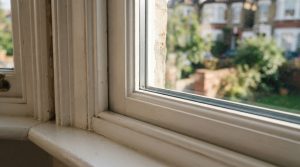
Did you know that a sash case study went wrong when the balance was built around 10kg, but the actual sash weight was closer to 12kg, leading to predictable creep and failure? Structural rebalancing is not a fine detail, it is the difference between a window that glides properly and one that gradually drops out of true.
Key Takeaways
| 1) Balance must match the sash | If your sash window weights are wrong, the mechanism works harder every day, and sash failure follows. |
| 2) “Draught-proofing first” prevents waste | We start with draught-proofing and sealing, then adjust weight balance only when it is genuinely needed. |
| 3) Glass upgrades can change weight | Toughened glass, double glazing, and insulation upgrades can alter the sash’s weight and shift the balance. |
| 4) Old window counterweights are often revised during restoration | During restoration, we reassess sash window weights, pulleys, and rope so everything runs as intended. |
| 5) Rope, pulleys, and friction matter | Even correct weights can fail if friction or wear increases, especially in sash boxes. |
| 6) Repairs should start with the sash | We assess the full sash system before swapping parts, because structural rebalancing is a system problem. |
- Best place to start: our sash window restoration approach, where we restore period character while improving function.
- If you are upgrading comfort: see how our double glazing and insulation services are planned to suit heritage frames.
What do sash window weights actually do?
They counterbalance the sash, so the top sash stays raised and the bottom sash stays in position without overloading the cord, pulleys, or hardware.Why do windows start to drop after glazing upgrades?
Because structural rebalancing depends on mass, and changes to glass type, thickness, or fixing details can shift the sash’s weight, upsetting sash failure risk over time.
Understanding counterbalance, sash failure, and structural rebalancing
Traditional sash windows rely on a counterweight system to make the sash feel light while keeping it stable. Structural rebalancing is simply ensuring the counterweight, rope or cord, and pulley path suit the actual mass of the sash at that point in time.
When the weights are mismatched, you do not usually get an immediate “break” in the way people imagine. Instead, the window begins to behave oddly, then creeps slowly out of true, and finally you see failure symptoms that are expensive to undo.
- Sash won’t stay up: the top sash drifts down, which points to underweight counterbalancing.
- Sash won’t stay down: the bottom sash rises slightly, which can indicate the opposite imbalance.
- Rope and pulley strain: mismatched sash window weights can increase friction load, accelerating wear in the sash boxes.
We often see that the homeowner notices comfort issues first, draughts, rattles, or difficulty lifting the sash. The underlying cause can still be balance, because the window is fighting the wrong load every time you open and close it.
How mismatched sash weights create creep, dropping, and snap risk
Structural rebalancing fails when the system is set up for one weight, but the sash ends up being another. This is the heart of why mismatched weights cause sash failure, because the counterweight is meant to balance a known mass, not an assumption.
In the field, the most common triggers are restoration work, glass swaps, paint and ironmongery changes, or replacing worn rope and cords. Even when the work is well-intentioned, altering the sash’s total weight can shift the balance.
Practical example: if your sash window weights were correct for the old glazing, but you replace panes with a different spec, the sash may become heavier or lighter than expected.
What you get: the cord takes the slack, the sash settles at the wrong point, and the window begins to drift out of true.
Did You Know?
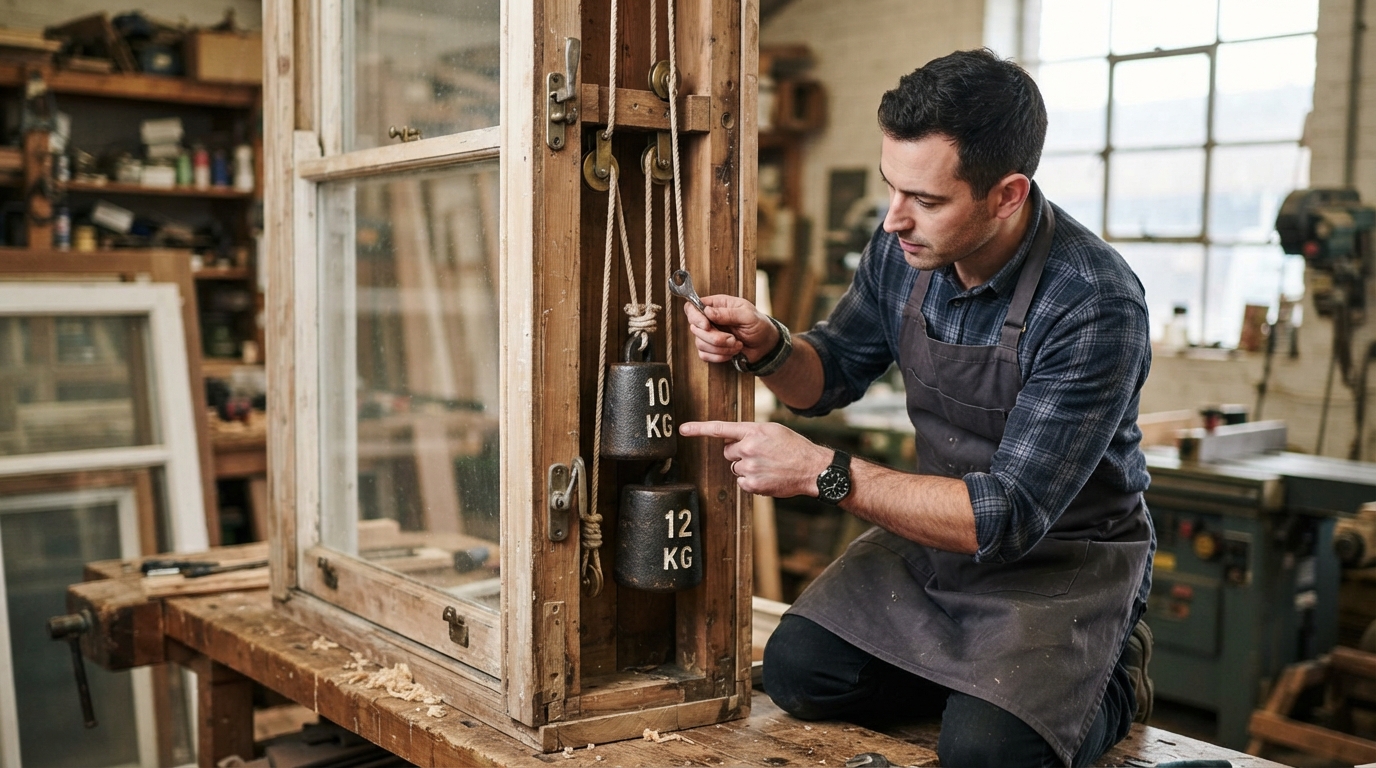
A sash built around 10kg counterweights can fail when the sash mass is closer to 12kg, causing the window to creep and drop out of balance.
Source: Jim Sear
When the balance is wrong by even a small margin, the window is always “working”. Over time, that working shows up as stiffness, uneven operation, and accelerated wear to rope, pulleys, and sash cords.
Where sash window weights go wrong in real homes
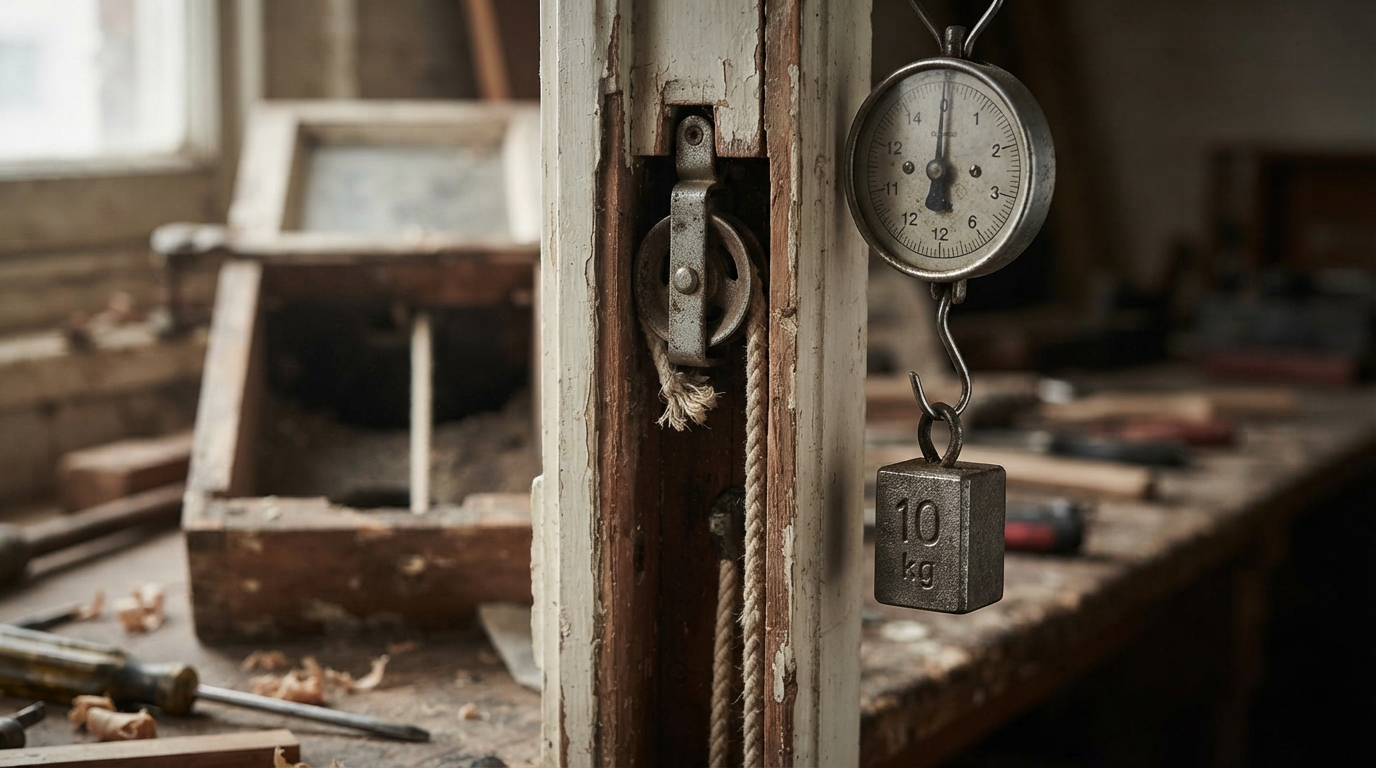
Most sash window weights issues are not dramatic on day one. They develop through mismatched assumptions and changing conditions, particularly when the window has been partially repaired before.
Whether you are restoring an old sash or upgrading performance, these are the moments structural rebalancing can slip:
- Glazing changes: a thicker pane or different unit changes sash mass, which alters the balance.
- Hardware swaps: new ironmongery and security add weight in specific locations on the sash.
- Paint and refurbishment: thicker paint build-up, filler, or repairs can add up over time.
- Friction in the sash box: worn pulleys or misaligned tracks make the same counterweight feel “weaker”.
At The Victorian Sash Company, we specialise in Victorian sash windows across Cheshire, and we see the full range of counterweight windows and pulley setups. Our craftsmen combine decades of experience with traditional joinery methods, so we do not treat weights in isolation.
Old sash weights, iron weights, and typical counterweight ranges
Before modern replacements, many traditional sash windows used iron weights or lead weights on a cord system. People sometimes ask for “old sash window weights” as if they are a single standard, but the reality is that weights vary by window size, frame design, pulley geometry, and sash construction.
Even when you find historical guidance, the safe approach is always measurement. That is why we reassess the sash and the current system during restoration rather than relying purely on “typical” weights.
In traditional counterbalance setups, iron weights are often within a 5–15 lb range, and careful handling matters because these weights are integrated into the counterweight system. If someone later replaces window weights incorrectly, structural rebalancing fails at the point the sash begins to operate under load.
Designing structural rebalancing during restoration and glazing upgrades
We deliver windows that respect heritage while supporting the environment. That includes planning upgrades so the sash continues to balance correctly after the work, not just after the glass is fitted.
Whether you need full replacements, double glazing, or careful restoration, we ensure every detail respects original designs. The “draught-proofing first” approach for Victorian sash windows has become the most practical and cost-effective route to quick comfort wins, but when balance is off, draught seals alone will not fix sash failure risk.
Our practical process usually looks like this:
- Assess the sash and existing counterbalance: we check how the sash behaves across the travel, and we inspect the cord or rope path through the sash boxes.
- Identify the imbalance cause: we look for changes from glazing, repairs, and hardware that can shift sash window weights.
- Correct structural rebalancing: we adjust or replace the counterweight elements, and we address pulley alignment and friction if needed.
- Then improve comfort: we apply insulation, sealing, and draught-proofing measures designed for heritage windows.
If you are considering modern safety upgrades, it also helps to understand toughened glass considerations. Our guidance on why toughened glass is essential for modern sash window safety is useful context, because safety upgrades can interact with the overall sash spec and balance.
Did You Know?
one pound — The amount added to the total window weight (then divided by two) to ensure the top sash remains raised and does not drop.
Source: David Williams Painter and Decorator
Which is riskier, replacing sash weights with springs or keeping counterweights?
People often search for “replace sash weights with spring balances” or “replace window weights with springs” when the cord system feels old. But switching technologies without proper measurement can create new structural rebalancing problems.
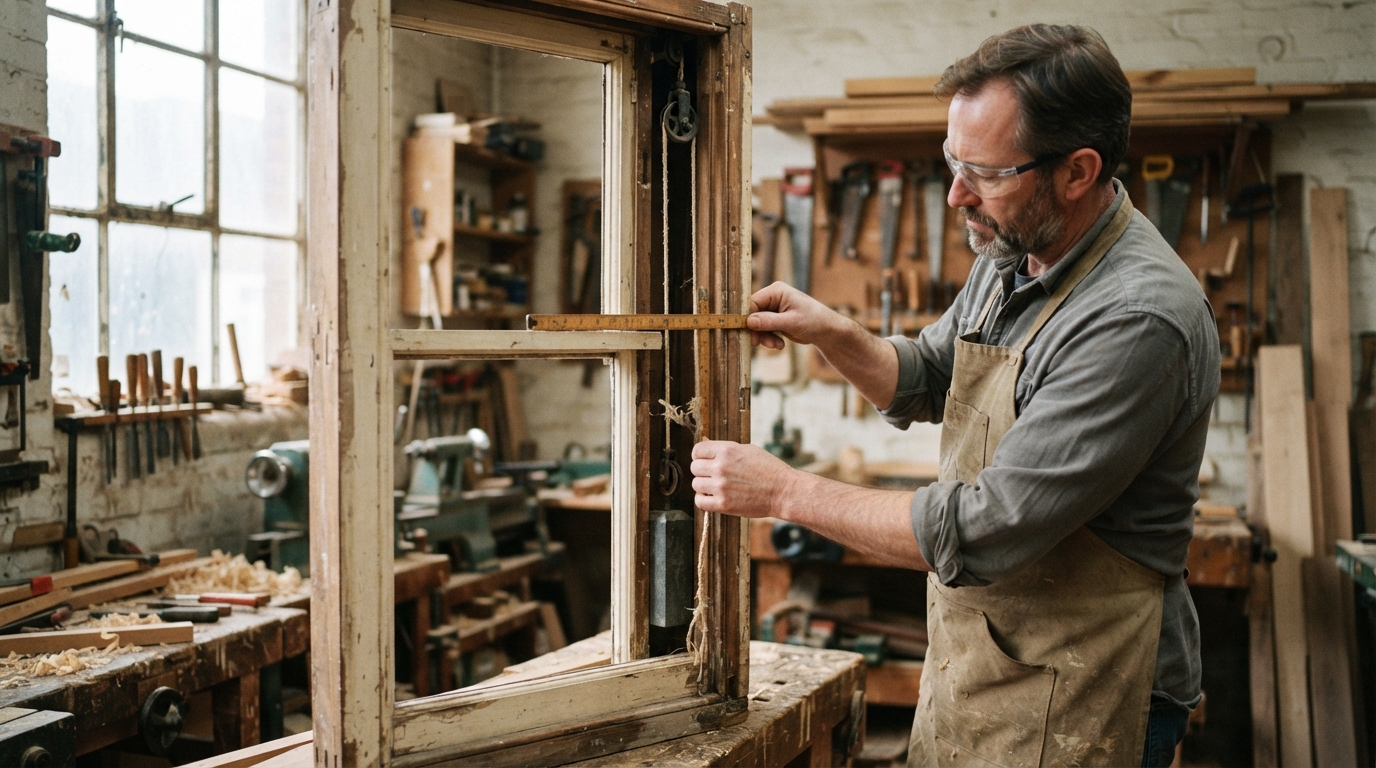
Counterweight windows are designed around mass, movement, and predictable behaviour. When you replace sash weights with springs, you are effectively changing how the force profile works through the sash travel, and you still need the system tuned so it does not fight the sash.
Our view is straightforward: if you keep a counterweight system, we help you get it correct, so the window feels right and stays right. If you are moving toward spring-balanced operation, we still treat it as a structural rebalancing job, because the objective is the same, stable sash behaviour across open and close cycles.
Whether you call them sash weights, sash window counterweights, or windows with weights and pulleys, the principle is unchanged: mismatched loads lead to sash failure symptoms, and the fix is rebalancing done to the actual sash.
Best options for fixing mismatched weights, from lead weights to weight replacement
When you are dealing with “window sash weight replacement”, you need a solution that corrects the balance without damaging period character or increasing friction. In practice, we typically see two categories of fix: correcting the existing system, or upgrading elements while keeping the window’s operation reliable.
Weighing the practical choices
- Adjust existing counterweights: best when the system is sound but the load is slightly off after glazing or repairs.
- Replace window weight rope or cord: if wear has changed the way the sash sits and the balance feels “weak”.
- Rebuild with correct lead or iron weights: when the original arrangement no longer matches the sash’s actual mass.
For lead sash weights specifically, we sometimes find that new glass or insulation changes require re-specification of lead window sash weights. This is where careful measurement protects both operation and long-term reliability.
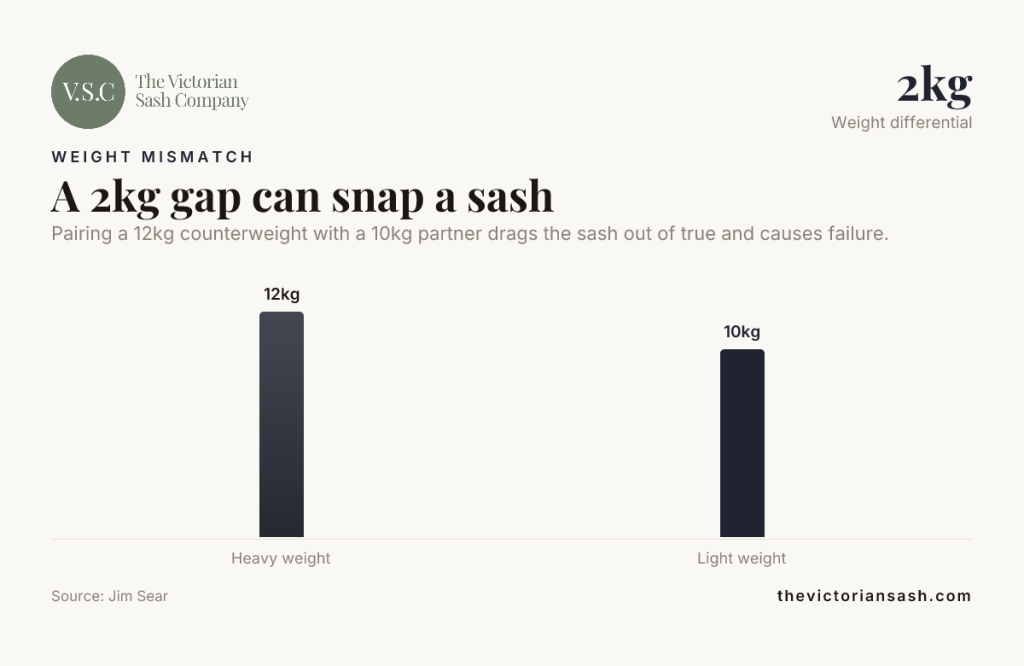
Pairing a 12kg counterweight with a 10kg partner drags the sash out of true and causes failure.
If you are searching for “lead sash weights suppliers” or “sash window weights replacement”, it can be tempting to focus on the component price alone. We recommend thinking in terms of total system correctness, because friction and misalignment can undo the effect of correct weights.
Where possible, our repairs link directly with the rest of the restoration work, including insulation and security upgrades that keep the window usable and authentic.
For example, if your aim includes discreet protection, our sash window security services covers fitting locks and hardware while keeping period character in place. It is still important to structural rebalance after any change that affects sash operation or mass.
Cheshire homeowners: choosing a sash team that plans structural rebalancing
For sash window weights problems, the “best” option is not the one with the quickest swap. It is the team that plans structural rebalancing alongside restoration, draught-proofing, and any glazing or security upgrades.
As a Cheshire-based company serving Knutsford, Wilmslow, Alderley Edge, Warrington, and other local areas, we are used to the practical reality of Grade II listed buildings. We keep an eye on how changes affect period character and long-term function.
Whether you are in Knutsford and want restoration that returns smooth operation, or you are looking for modern comfort without breaking authenticity, our work is built around a careful sequence. You can explore how we handle the practicalities on our about our sash window services page, or browse how we support homeowners across the region.
And if you want to see the kind of joinery-led results we aim for, our gallery gives a sense of the finished windows and the quality of the restorations.
Frequently Asked Questions
Why do my sash windows keep dropping even after I rehang the weights?
Structural rebalancing depends on matching the actual sash weight to the counterweight system. If the sash window weights are still mismatched, the window can creep and drop out of true, even if the weights look correctly installed.
How do I know whether my sash window weights are too heavy or too light?
If the top sash will not stay raised, the balance is likely underweight. If the bottom sash rises from a closed position, the balance can be too heavy, so the “mismatched weights” cause sash failure symptoms in both directions.
What is the difference between sash weights and sash window counterweights?
In practice, sash weights and sash window counterweights refer to the same counterbalancing elements that load the cord system. When people search for sash weights or counterweight windows, they are usually describing how the window is balanced for stable operation.
Can double glazing cause sash failure due to structural rebalancing issues?
Yes. Changing glazing can alter sash mass, which upsets the balance, especially if the rope, pulleys, or counterweights were set for the previous glass spec.
Are lead sash weights or cast iron sash weights better for repairing old sash windows?
Lead sash weights and cast iron sash weights can both be used, but the “best” choice is the one matched to the sash’s actual requirements. Old sash window weights vary by window design, so we focus on correct rebalancing rather than forcing a one-size fit.
Should I replace window weights with spring balances instead of fixing the counterweights?
You can, but you still need careful structural rebalancing. Spring-balanced replacements can work well when the system is tuned correctly, but mismatched tuning can still create sash failure symptoms like stiffness, drift, and accelerated wear.
It Must Match
Structural rebalancing, explaining why mismatched weights cause sash failure, comes down to one principle: the counterbalance must match the sash that is actually in your frame. When sash window weights are wrong, the window works harder every time it opens, and that shows up as creep, dropping, and eventual failure.
Whether you need sash window restoration, draught-proofing, or double glazing and security upgrades, we plan the work as a system. That is how we protect the period character of your property while improving insulation, security, and style, with practical, responsible steps that keep your sash windows reliable.
Require Assistance with Repairs?
Contact us now on 01606 333943
Mobile: 07789 598238
Email: info@victoriansash.net