Sash Stops or Locks: Which Controls Opening Better? A sash stop or restrictor limits how far a sash can travel, while a sash lock usually fastens the upper and lower sashes together when the window is closed. Choose according to whether you want to control an opening, secure closed sashes, or do both.
Key Takeaways
- A stop controls travel: Choose a sash stop or restrictor to limit how far a sash opens or to hold it at a chosen position.
- A lock secures closed sashes: A sash lock or fastener typically joins the meeting rails, making it harder to force the sashes apart.
- Check which sash the hardware controls: A device for the lower sash may leave the upper sash free to move, and vice versa.
- For a ventilation gap, choose a restrictor: A lock alone is not designed to set a safe opening distance.
- For child safety, use opening control: A sash lock does not replace a restrictor that limits the opening.
- Before fitting, check the whole window: Sound timber, secure fixings, normal sash movement and emergency escape all matter.
How sash stops and sash locks control movement
A sash stop or restrictor limits how far a sash can travel. Choose one when you want to cap the opening, hold a sash at a set position, or create a controlled ventilation gap.
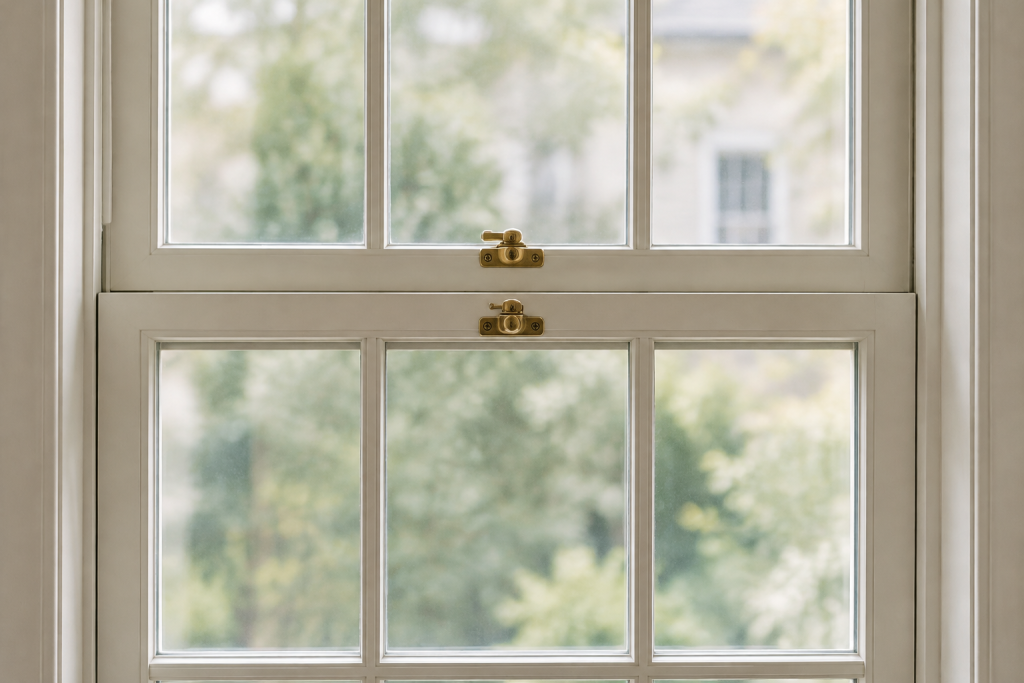
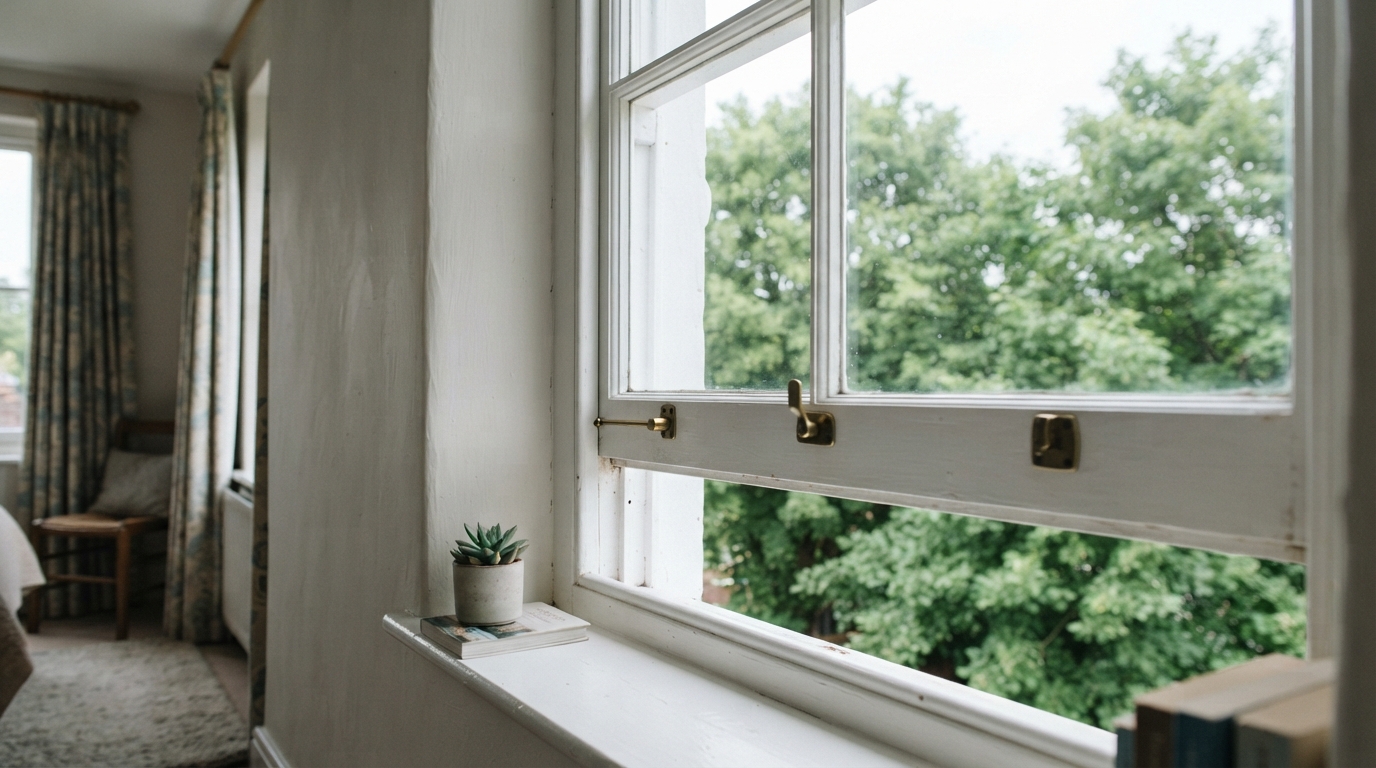
A sash lock or fastener typically secures the meeting rails of the upper and lower sashes together. It is intended to hold the window closed, rather than define how far a partly open sash can move.
| Hardware | What it does | Best suited to |
|---|---|---|
| Sash stop or restrictor | Limits a sash’s travel or holds it at a set point | Controlling opening and allowing limited ventilation |
| Sash lock or fastener | Fastens the meeting rails together | Securing the sashes when the window is closed |
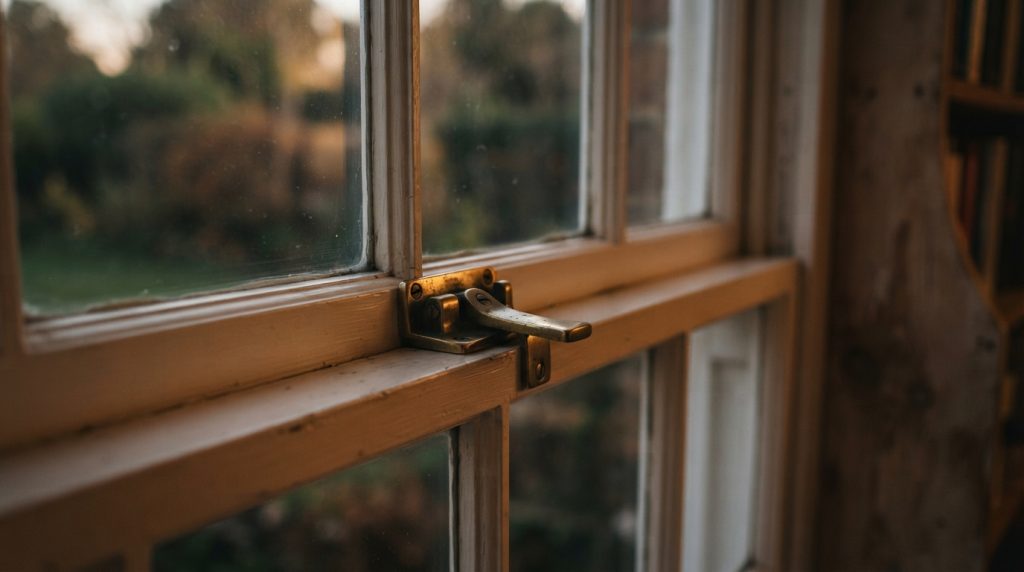
Hardware names are not always used consistently. A sash window catch, sash fastener or latch lock may describe a fastening device, so look at what the hardware actually does: does it restrict sash movement, fasten the sashes together, or perform both actions?
Check which sash the stop engages before choosing a fitting. A stop designed for the lower sash may leave the upper sash free, while a fitting that controls both needs to allow each sash to move as intended.
Choose hardware for the opening you want
To keep one sash in place while allowing the other to move, choose a stop designed for the sash you want to hold. Position it so it engages that sash without obstructing the other sash’s normal travel.
For a controlled ventilation gap, use a restrictor that limits opening at a set point. A sash lock on its own secures the meeting rails when they align; it does not set a defined opening distance for a window left ajar.
If both sashes need to move, select hardware that controls the intended sash without blocking the other. This matters on a double-hung window, where both the upper sash and lower sash are designed to travel.
For ventilation with added opening control, Security Restrictors are fitted to match other window ironmongery, adding security and safety. They suit homeowners who want a restrictor to work with the period character and finish of their existing fittings.
When choosing among window restrictors for sash windows, focus on the movement you want to limit and the point at which the device engages. The right sash window restrictor gives a controlled opening while leaving the rest of the window’s intended movement clear.
What locks and stops do for security
A lock fastens the meeting rails when the window is closed, making it harder to force the sashes apart. A travel stop limits how far a sash opens, but it is not a closed-window lock.
A partly open window should not be treated as fully secure. A restrictor can limit the opening, but it does not make the remaining gap inaccessible to an intruder.
Use a restrictor for opening control and a lock for securing closed sashes when both functions matter. Neither device should be assumed to replace the other, even when the hardware is described broadly as a sash lock or sash stopper.
Traditional lockable fasteners suit homeowners who want a sash-window fastening with a lockable function. Our Reinforced Locks service fits traditional fasteners in a wide range of finishes, offering a period-style fastening with a lockable feature.
These fittings address a different need from sash window stops: one holds closed meeting rails together, while the other limits travel. Consider the specific vulnerability you want to address rather than relying on the name of a fitting alone.
Separate child safety from security
For child safety, choose a restrictor that limits the opening and cannot be easily operated by a child. A sash lock is not a substitute for this opening control, because it is designed to fasten the window closed rather than manage a limited opening.
A restrictor can provide a ventilation gap while limiting sash travel, but fall prevention and resistance to forced entry remain different functions. Consider the room’s use and whether children can reach the window, alongside the hardware itself.
According to the British Royal Society for the Prevention of Accidents (RoSPA), more than 4000 children under the age of 15 are injured due to falling from windows each year in the UK. The figure is reported in Secure windows for child safety: a retrospective study of window falls in children, aiming to raise prevention awareness.
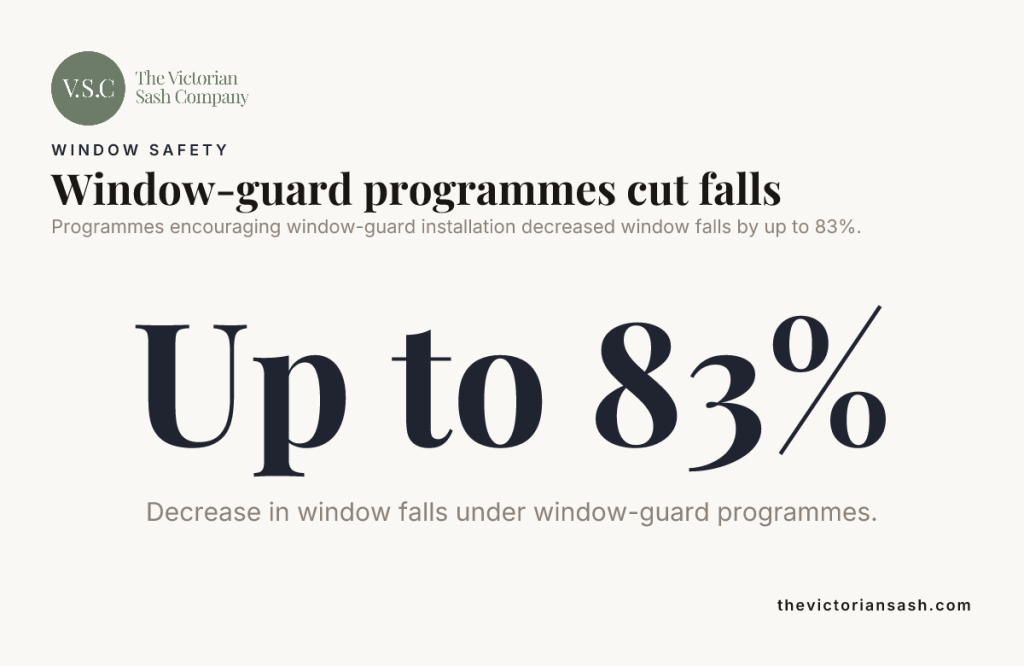
Programmes encouraging window-guard installation decreased window falls by up to 83%.
Opening control is one part of preventing falls, alongside supervision and the way the room is used. Keep furniture that a child could climb away from accessible windows, and do not rely on a lock that only secures the sash when it is fully shut.
Check the sash, frame and fixing position
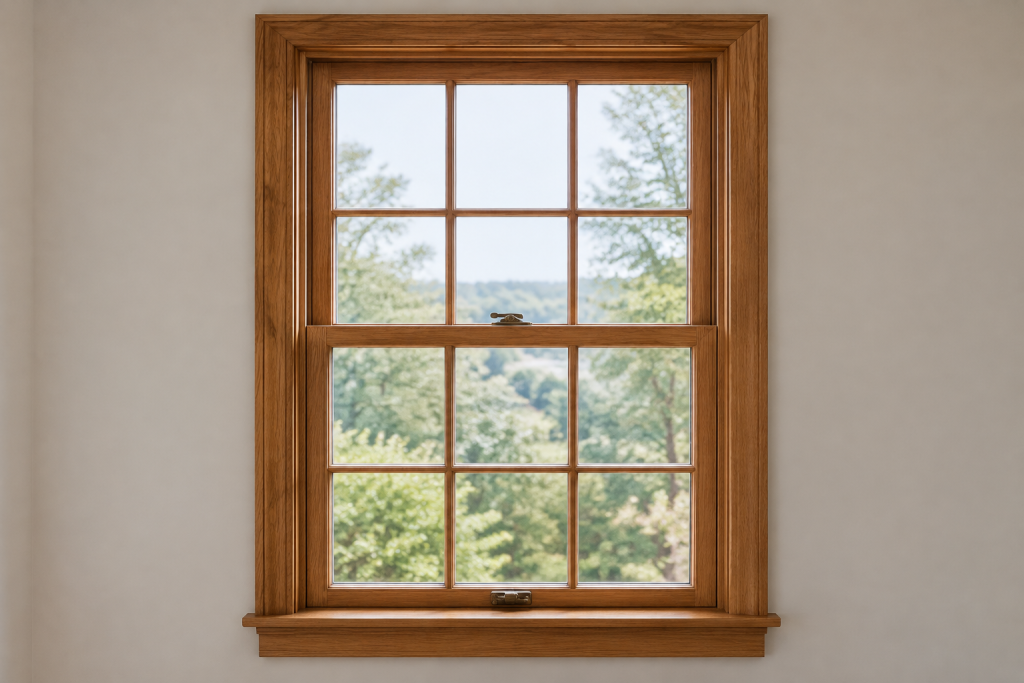
Decide first whether the upper sash, lower sash or both need control. Position the device so it engages the intended sash and does not obstruct the other sash’s travel or prevent the window from closing properly.
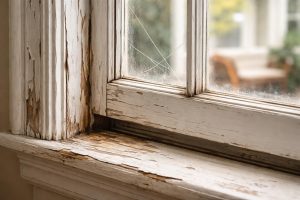
Check the sash and window frame at the fixing points before fitting hardware. Weak or damaged timber can undermine the hold, and screws secured only into unsound wood will not provide a dependable fixing.
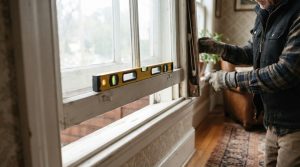
Test the sash’s normal movement and the device’s engagement after fitting. The sash should still open and close as intended when the control is released, and the device should engage reliably at the point you selected.
Where a window needs a broader security improvement, sash window security upgrades can combine discreet locks, restrictors and reinforcements. These fittings are designed to improve security without affecting the window’s appearance.
At The Victorian Sash Company, our team works on heritage windows. We consider the condition and operation of the sash as well as the hardware, so that an upgrade respects the period character of the property.
Plan for escape and maintain worn hardware
Before fitting a keyed lock or restrictive device, consider how occupants will open the window in an emergency. Keep any required key accessible, and assess fire egress and the requirements that apply to that particular home and opening before limiting sash travel.
If a lock, stop or sash no longer holds or moves as intended, address the underlying fault rather than relying on additional hardware. Worn sash cords, damaged timber and loose fixings can all affect safe operation.
A sash that sticks or drops may need repair before a new restrictor can work as intended. Our sash window restoration service covers repairs to frames and sashes, including worn cords and damaged timber, helping to restore strength and smooth operation.
Traditional joinery and careful restoration can preserve the authenticity of a period window while improving how it works. A sound sash is the right foundation for any sash fastener, lock or window opening control device.
Frequently Asked Questions
How often should sash window stops and locks be checked?
Check them at least twice a year, and after decorating, repairs or any forceful use of the window. Look for movement in the fixings, corrosion, cracking and changes in how easily the hardware engages.
Can sash stops be fitted if the sash cords are worn?
A stop does not restore the counterbalance provided by sound sash cords, so it should not be used to compensate for cords that are close to failing. Have the sash’s balance and movement corrected first, then choose and position the opening control.
Why does a sash slide down when it is meant to stay in position?
In a traditional weighted sash, a broken or disconnected cord can stop the counterweight balancing the sash, allowing it to drop. A sash that slips can also have worn or uneven internal components that need attention before the window can hold its position reliably.
Can sash window locks be keyed alike?
Yes, locks can be supplied keyed alike when they use a compatible locking system, allowing one key to operate more than one lock. Traditional sash fasteners come in different designs, so keyed-alike options depend on the type of lock selected.
Can draught-proofing affect sash movement?
Well-fitted seals reduce draughts and rattles while allowing the sashes to slide. If seals are too tight or fitted unevenly, they can increase friction and make the window harder to operate.
Priorities
Sash Stops or Locks: Which Controls Opening Better? A sash stop or restrictor controls how far a sash travels, while a sash lock secures the meeting rails when the window is closed. Choose a restrictor for controlled ventilation, a lock for fastening closed sashes, and both when opening control and security are separate priorities.
Check which sash the hardware controls, make sure the frame and fixing points are sound, and plan for emergency escape before limiting movement. With the right fitting and a well-maintained window, you can improve security and safety while preserving the period character of your sash windows.
Require Assistance with Repairs?
Contact us now on 01606 333943
Mobile: 07789 598238
Email: info@victoriansash.net