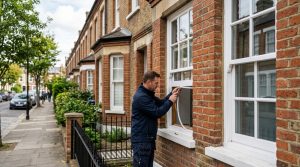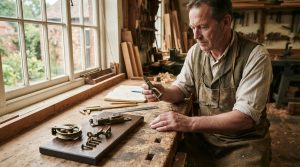
When you consider that only 25–30% of residential heating and cooling energy is attributable to heat gain and loss through windows, it is easy to see why historic upgrades often start with the right glass for the job, not the flashiest change. In this guide to Low-Emissivity Glass for Historic Windows, we will show you how Low-E performance fits Victorian sash windows, how it supports draught-proofing first, and how to keep period character intact.
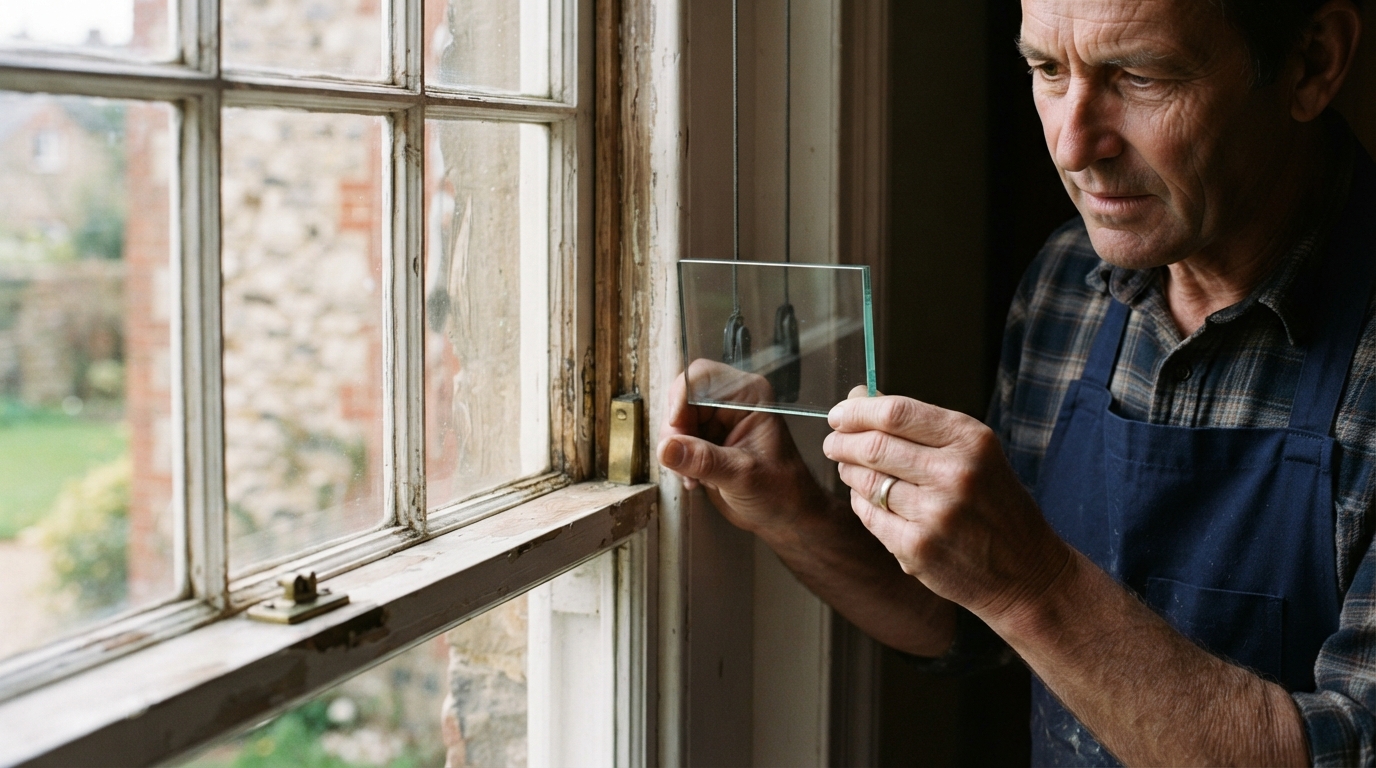
Key Takeaways
| 1) Low-E targets heat Low-Emissivity coatings reduce radiant heat loss and heat gain while maintaining comfort. | 2) Match it to historic reality For sash windows, we balance insulation with airtightness, security, and period-appropriate sightlines. |
| 3) Draught-proofing comes first Seals and alignment usually deliver the fastest comfort wins, then Low-E glass improves the thermal picture. | 4) Safety matters Historic homes still deserve modern safety, and toughened glazing is often the responsible route. |
| 5) UV protection can help interiors Some Low-E glass systems help reduce harmful UV exposure, supporting carpets, curtains, and historic finishes. | 6) We plan the full window solution Whether you need Victorian sash window double glazing and insulation services or restoration, we keep the period character as the baseline. |
- Q: What does Low-Emissivity Glass for Historic Windows actually do? It reduces radiant heat transfer, helping your rooms feel steadier in winter and less overheated in summer, while still respecting historic window design.
- Q: Will Low-E glass change how my sash windows look? When specified correctly, you keep the original visual style, while the glass performance is improved behind the scenes.
- Q: What should we prioritise first, seals or glass? Our “draught-proofing first” approach usually makes the comfort difference first, then Low-E glass helps complete the thermal upgrade.
- Q: Is this suitable for Grade II listed windows? In most cases, yes, provided the solution is designed around period details and the required compliance. We focus on preserving period character during restoration, double glazing, and security.
Why Low-Emissivity Glass is a Good Fit for Historic Sash Windows
Low-Emissivity Glass for Historic Windows is not about changing your heritage style. It is about improving performance while your frames, sash boxes, and traditional joinery keep doing what they were built to do.
At The Victorian Sash Company, we specialise in Victorian sash windows across Cheshire, and we have learned that the comfort difference you feel at home is rarely one single fix. Glass performance helps, but airtightness, draught paths, and correct sash alignment often decide whether you notice the upgrade quickly.
Homeowners are also more aware that “double glazing” is not the whole story. Whether you are restoring existing sashes or installing new sash units, Low-E coatings are typically the part of the specification that addresses radiant heat transfer directly.
- Lower radiant heat loss: warmth stays inside more effectively in winter.
- Reduced radiant heat gain: less unwanted heat enters in stronger sun conditions.
- Better overall comfort: fewer cold spots near the glazing line.
How Low-E Works: Comfort Wins Without Losing Period Character
Whether you are dealing with a single sash failing to sit correctly, or you have gaps around the frame, Low-E glass helps by managing how heat moves through the glazing.
Low-E coatings are designed to reflect long-wave infrared heat back towards the interior while allowing natural daylight through. For historic homes, that means you can gain thermal performance while still keeping the classic, historic look of traditional glazing arrangements.
In practical terms, Low-Emissivity Glass for Historic Windows supports:
- Steadier room temperatures near the window, which can make radiators feel more effective.
- Less heat escaping through the glass compared with ordinary glazing.
- More consistent comfort when paired with draught-proofing measures.
And yes, we still treat the window as a system. Our craftsmen combine decades of experience with traditional joinery methods, so upgrades suit the way sash windows actually work in daily life.
Did You Know?
Low-E4 SmartSun glass can block 95% of harmful ultraviolet (UV) rays.
Source: Renewal by Andersen
Draught-Proofing First, Then Upgrade the Glass Performance
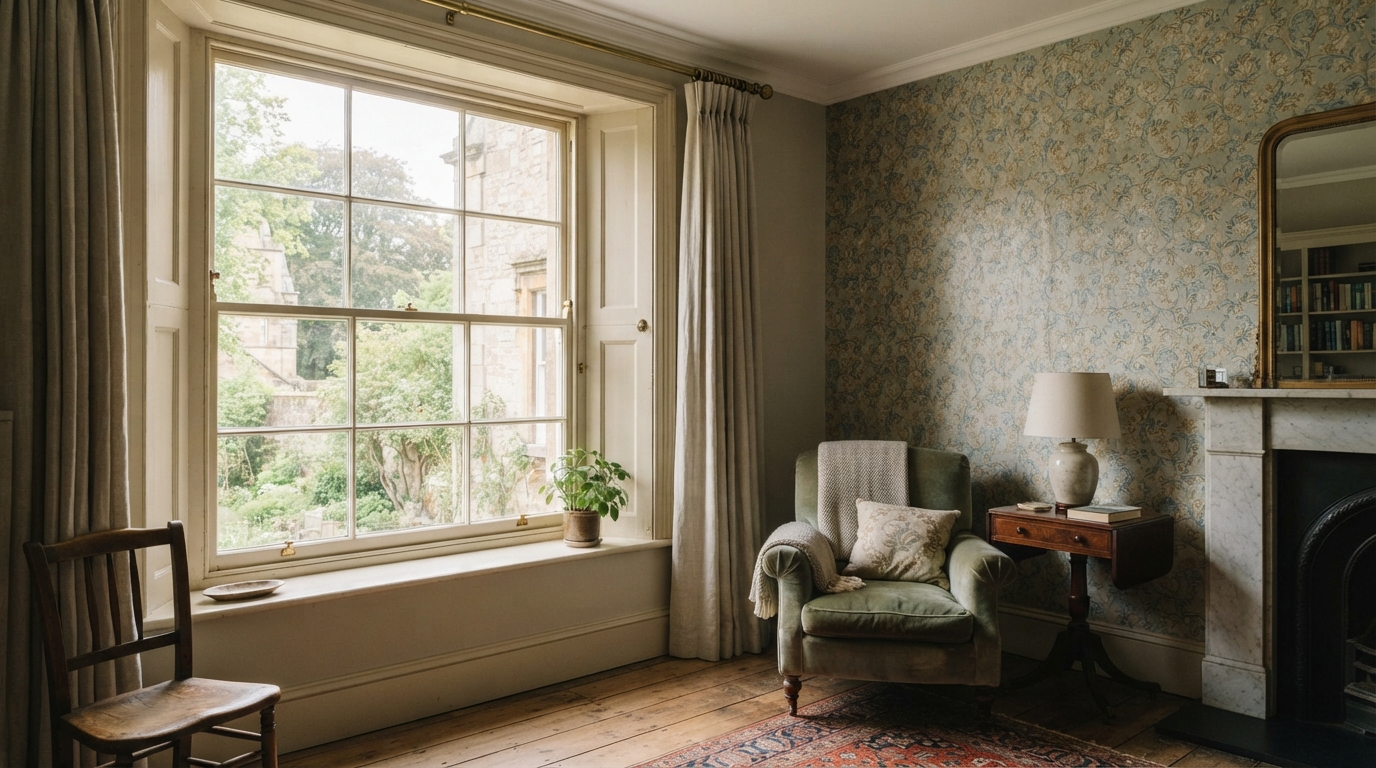
The “draught-proofing first” approach for Victorian sash windows has become the most practical and cost-effective route to quick comfort wins. If your sashes are letting air in, even the best Low-Emissivity Glass for Historic Windows will not fully solve the discomfort you feel.
At the start of any upgrade, we look for the basic causes: worn seals, loosened components, and the way the sashes sit within the frame. Early intervention prevents minor problems from becoming costly repairs.
Once draught paths are properly addressed, Low-E glass becomes the logical next step because it reduces heat loss and improves seasonal comfort.
- Inspect sash alignment, seals, and movement through the day.
- Improve airtightness with sympathetic draught-proofing measures.
- Specify Low-E glass to complete the thermal improvement.
- Finish the job with careful installation so period character is maintained.
This is also where safety and security are considered. Our sash window upgrades are designed to be comfortable and practical, not just visually correct.
Toughened and Double-Glazed Options for Safer Historic Homes
Historic windows deserve modern safety measures, and upgrading the glass element can be part of that responsibility. Whether you need Low-Emissivity Glass for Historic Windows as part of a double-glazing solution or as part of a restoration-led retrofit, we focus on compatible glazing choices that work with sash windows.
Double glazing in sash settings typically uses sealed double-glazed units with inert gas and good sealing practice, which supports insulation performance while keeping the window looking right.
Whether you are planning:
- Double glazing for improved insulation in a retained sash, or
- Full replacement sash units that still reflect traditional profiles,
the key point is clarity in the specification. You should know what performance you are getting, and how it interacts with draught-proofing and sash hardware.
If you want to understand the wider context of installation and performance, you can also review our guidance on Victorian sash window double glazing & insulation services.
What to Ask Before You Choose Low-Emissivity Glass for Historic Windows
Low-E is not a single “set-and-forget” product. For historic windows, the right specification depends on your frames, your opening arrangements, and how the property is used throughout the year.
When we discuss Low-Emissivity Glass for Historic Windows, we commonly cover the following points with you:
- Which Low-E specification is being used? Ask for clear details on the coating approach, because performance depends on how it is configured.
- How will the unit sit in your sash frames? The fit and build-up matter for appearance and long-term operation.
- Will you pair it with draught-proofing first? We find this is the fastest route to noticeable comfort wins.
- Is toughened glass included where appropriate? Historic does not mean unprotected.
- What about UV impact on interiors? Low-E solutions can support protection for fabrics and furnishings.
- How will this affect noise? Double glazed solutions are often chosen for sound comfort as well.
And importantly, we keep heritage compliance in mind. Our job is to maintain period character while improving insulation, security, and style, especially in properties where details must remain authentic.
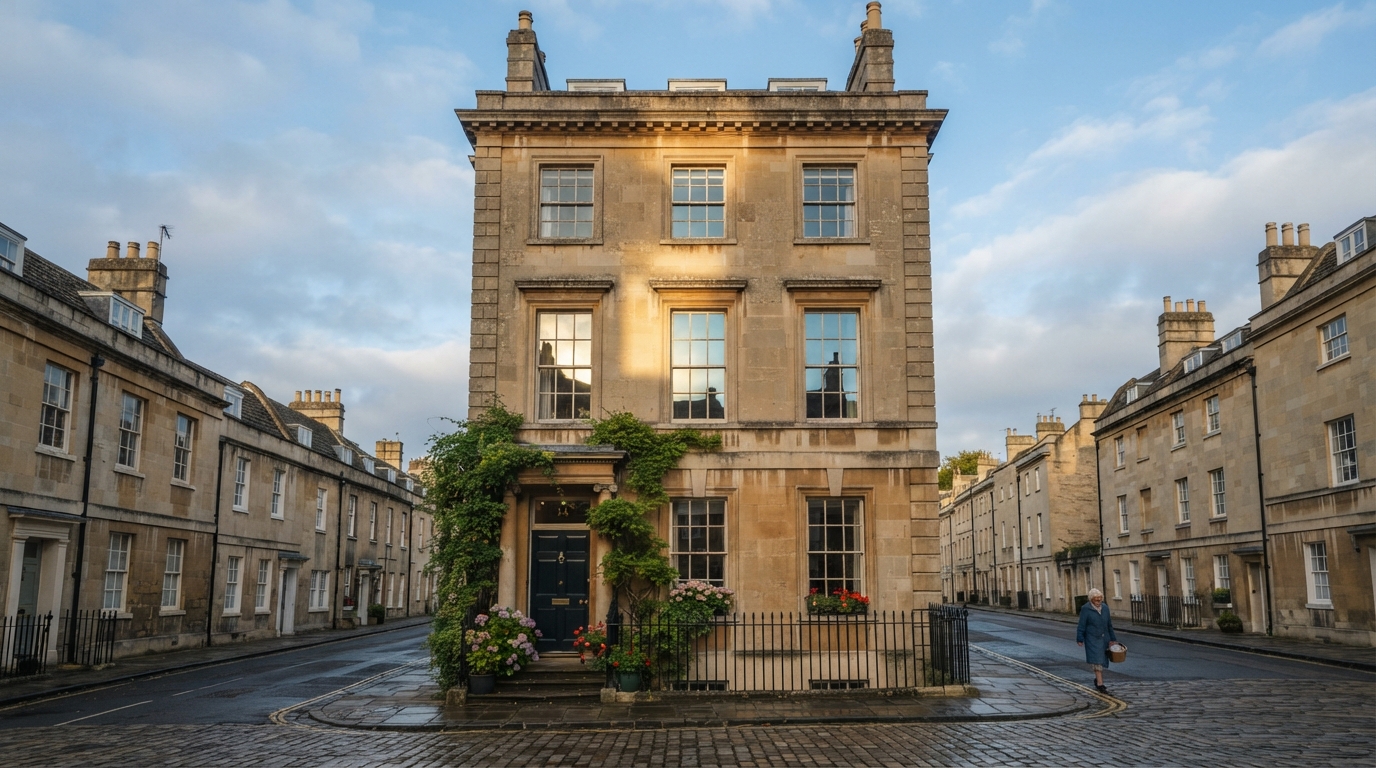
Low-E Glass in Real Historic Window Upgrades Across Cheshire
Whether you are in Knutsford, Wilmslow, Alderley Edge, or Chester, the window details change from street to street, but the priorities do not. You still want period elegance, practical insulation, and careful installation.
Our portfolio showcases Victorian sash windows restored and installed across Cheshire, because we know the best results come from experience with real, working heritage windows, not generic assumptions.
If you are looking for examples of how we approach sash window upgrades in your area, you can browse our location pages, for example:
- Victorian sash windows in Knutsford
- Victorian sash windows in Wilmslow
- Victorian sash windows in Alderley Edge
Cost, Savings, and What “Worth It” Means
Whether Low-Emissivity Glass for Historic Windows is “worth it” depends on how your current windows perform, how draughty they are, and whether they have reached the point where restoration alone will not deliver comfort.
We see more homeowners asking for value that goes beyond the initial purchase. They want the solution to reduce ongoing discomfort, support lower energy use, and protect interiors where possible.
Market context also matters. For instance, window upgrades are often reported as energy-efficiency driven, and many homeowners notice lower energy costs after improving windows and glazing.
Did You Know?
Replacing old windows with Energy Star certified alternatives can reduce energy bills by an average of 13%.
Source: Renewal by Andersen
To get to a sensible answer for your home, we recommend treating Low-E as part of a planned window upgrade, not as a standalone “glass swap”.
- If draughts are the main issue: draught-proofing first usually delivers the fastest, most noticeable comfort.
- If the frames are sound but glass is tired: Low-E glass can deliver a clear thermal boost.
- If components are worn: restoration or sash upgrades may be the responsible route before any glazing specification is locked in.
We deliver windows that respect heritage while supporting the environment, because careful restoration and sensible replacement reduce unnecessary waste.
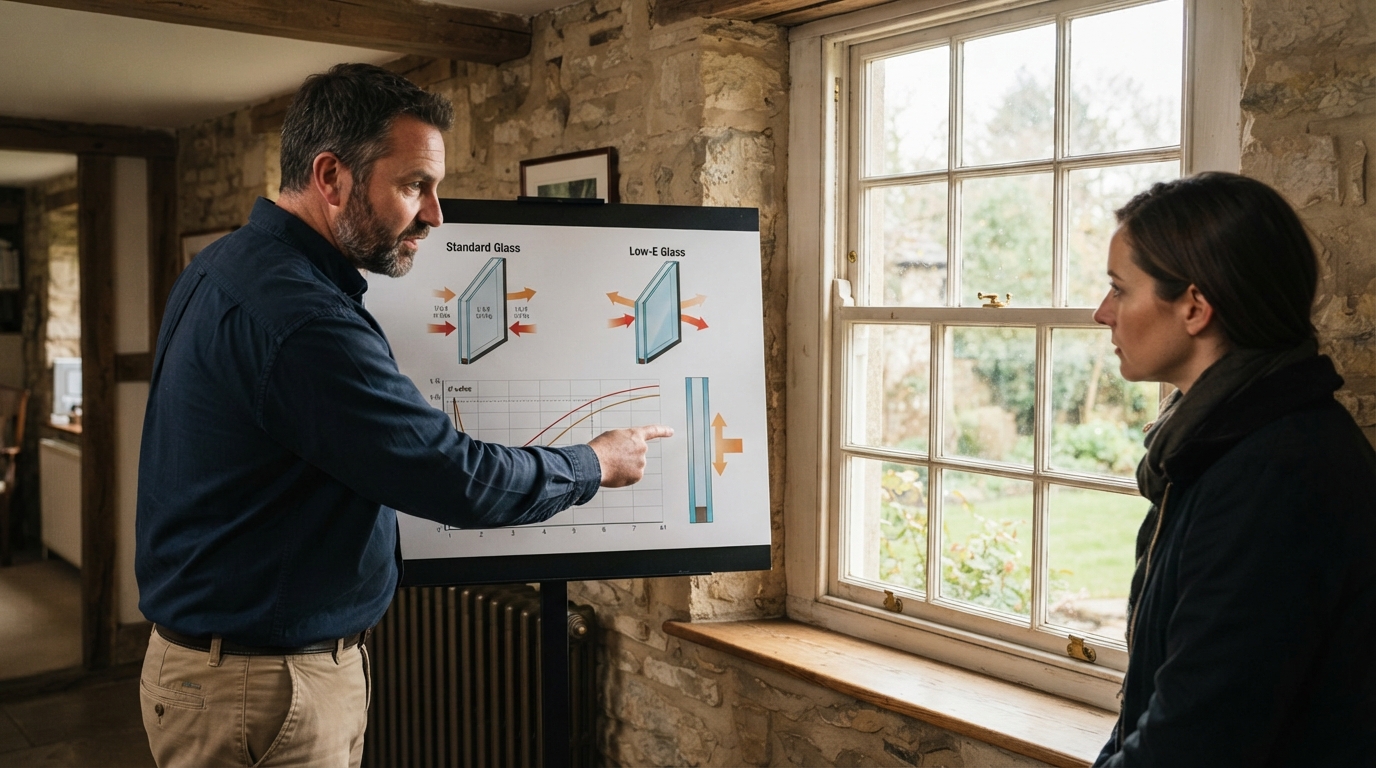
How We Keep Historic Windows Looking Right After Low-E Glass Installation
Crafted for Tradition, Built for Today. That guiding principle matters here, because it is the details you notice every day.
When we fit Low-Emissivity Glass for Historic Windows, we maintain:
- Period sightlines so the window still reads as it should.
- Traditional joinery and sympathetic components so operation remains smooth.
- Consistent detailing that matches the rest of the building.
- Ongoing maintenance compatibility, including how you care for the paintwork.
If you want to understand how maintenance affects longevity, our practical guide on how to paint sash windows is worth reading, because the paint you choose will determine how long your work lasts.
Whether you need full replacements, double glazing, or careful restoration, we ensure every detail respects original designs.
Conclusion
Low-Emissivity Glass for Historic Windows is one of the most practical ways to improve thermal comfort in a heritage sash home, particularly when it is planned alongside draught-proofing first and sympathetic sash restoration. Homeowners increasingly want upgrades that make rooms feel steadier, protect interiors, and still honour period character.
Whether you are starting with insulation, moving from draughts to glass performance, or building a full restoration plus glazing plan, we make sure the result feels right in daily life. Our focus remains simple: timeless beauty, responsible specification, and craftsmanship you can rely on.
Frequently Asked Questions
Is Low-Emissivity Glass for Historic Windows worth it?
Yes, especially when your existing sashes are otherwise sound but you feel seasonal discomfort. Low-Emissivity Glass for Historic Windows reduces radiant heat transfer, and we also see homeowners pairing it with draught-proofing first for quicker, more noticeable results.
Will Low-E glass make my Victorian sash windows look different?
When specified for historic sash windows, Low-Emissivity Glass for Historic Windows is chosen to preserve period sightlines and the traditional look you expect. The performance comes from the coating and unit build, not from an obvious visual change.
Should we draught-proof before fitting Low-E glass?
In most cases, yes. Our experience is that draught-proofing first creates the fastest comfort wins, and then Low-Emissivity Glass for Historic Windows completes the thermal improvement by addressing heat transfer through the glazing.
Does Low-E glass help protect furnishings and interior fabrics?
It can. Some Low-E systems are designed to reduce harmful ultraviolet exposure, and that matters for carpets, curtains, and other interior finishes that sit near windows.
Can Low-Emissivity Glass for Historic Windows be used with toughened glass for safety?
Often, yes. Historic homes can still benefit from modern safety approaches, and Low-Emissivity Glass for Historic Windows is commonly considered as part of a glazing upgrade that prioritises responsible performance and safer handling.
How do we choose the right Low-E specification for our sash windows?
We base the choice on how your window operates, your frame build-up, and the comfort goals for your property. The right Low-Emissivity Glass for Historic Windows specification should be matched to draught-proofing measures, installation fit, and the heritage look you want to preserve.
Require Assistance with Repairs?
Contact us now on 01606 333943
Mobile: 07789 598238
Email: info@victoriansash.net