
Blog
Draught-Proofing First for Victorian Sash Windows: Quick Comfort Wins Before Glazing Upgrades
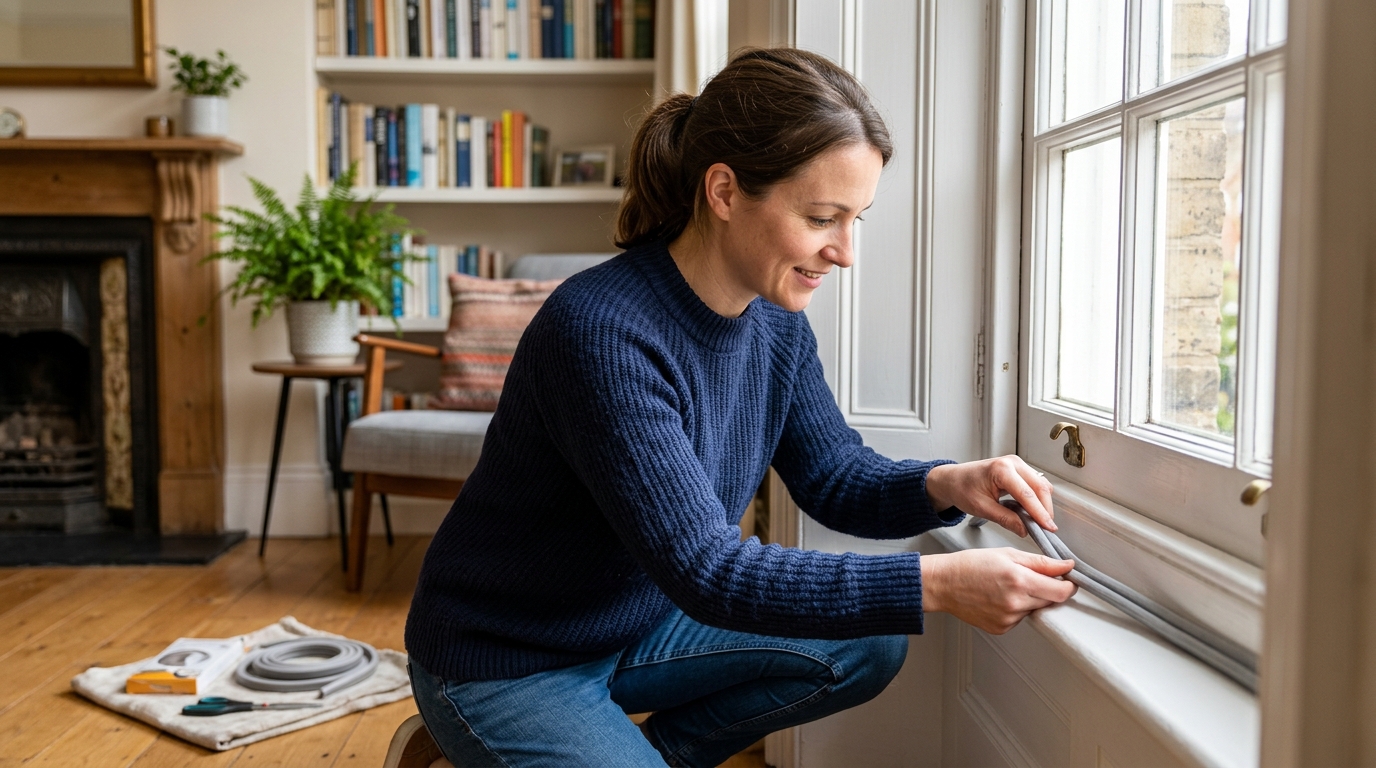
The “draught-proofing first” approach for Victorian sash windows has become the most practical and cost-effective route to quick comfort wins before committing to glazing upgrades, and the numbers tell you exactly why: windows alone can account for 18% of heat lost in a home, meaning those small gaps and loose-fitting sashes in your period property are working against you every single day. At The Victorian Sash Company, with over 50 years of combined sash window experience across our team, we have seen countless heritage homeowners spend thousands on glazing before addressing the fundamental draught pathways that account for the majority of their discomfort, and in almost every case, the sensible sequence is the other way around.
Key Takeaways
| Question | Quick Answer |
|---|---|
| What does “draught-proofing first” mean for Victorian sash windows? | It means sealing the gaps, worn channels, and loose meeting rails before investing in double glazing, capturing immediate comfort and energy savings at a fraction of the cost. |
| Is draught-proofing suitable for Grade II listed buildings? | Yes. Draught-proofing uses discreet brush seals and pile strips that do not alter the authentic appearance of listed windows, making it the preferred first step for heritage properties. |
| How much of a difference does draught-proofing actually make? | When combined with appropriate window treatments, draught-proofing can bring a sash window’s thermal performance close to that of a modern double-glazed replacement. |
| Does draught-proofing damage original sash boxes? | Not when carried out correctly. A specialist will work within the existing frame, preserving the original sash boxes whilst significantly improving performance. |
| Can I still upgrade to double glazing after draught-proofing? | Absolutely. Draught-proofing and sash window double glazing work in sequence, not in opposition. Draught-proofing is the logical first step. |
| What are the “quick comfort wins” from draught-proofing a Victorian sash window? | Reduced cold air infiltration, lower background noise, improved security, better operation of the sashes, and noticeably warmer rooms, often within a single day’s work. |
| Who provides professional draught-proofing for Victorian sash windows? | Heritage window specialists with experience in period properties, such as The Victorian Sash Company, who understand the original construction and can seal without compromising authenticity. |
Why “Draught-Proofing First” Is the Smart Approach for Victorian Sash Windows
Victorian sash windows bring a classic look to homes and have been a popular architectural choice for hundreds of years. Whilst they remain attractive features in many properties, they can experience various problems as they age, and persistent cold draughts are almost always the first complaint we hear from homeowners.
The appeal of jumping straight to glazing upgrades is understandable. Double glazing feels like the definitive solution. But in practice, a window that still carries unsealed gaps around its sashes, worn-out staff beads, and degraded timber at the meeting rail will underperform even after the finest glass is installed.
The “draught-proofing first” strategy for Victorian sash windows has gained considerable traction among both heritage specialists and homeowners who want quick comfort wins without the lead time and cost of a full glazing project. The reasoning is straightforward: draught-proofing addresses the specific pathways through which cold air enters, and it does so immediately, affordably, and without touching the character of your period property.
Treating the gaps before the glass means that when you do upgrade to double glazing inside the original sash boxes, you are starting from a significantly stronger baseline. The two approaches complement each other rather than compete.
Did You Know?
Heat loss from draughts can account for 15% of total heat loss in UK homes, making gap-sealing one of the highest-leverage improvements any homeowner can make.
Source: Wealden District Council
Where Victorian Sash Windows Lose Heat (and Why Draught-Proofing Targets the Right Problem)
To understand why the “draught-proofing first” approach for Victorian sash windows delivers such immediate quick comfort wins, it helps to understand where the losses actually occur. The glass itself is rarely the primary culprit in an aged sash window.
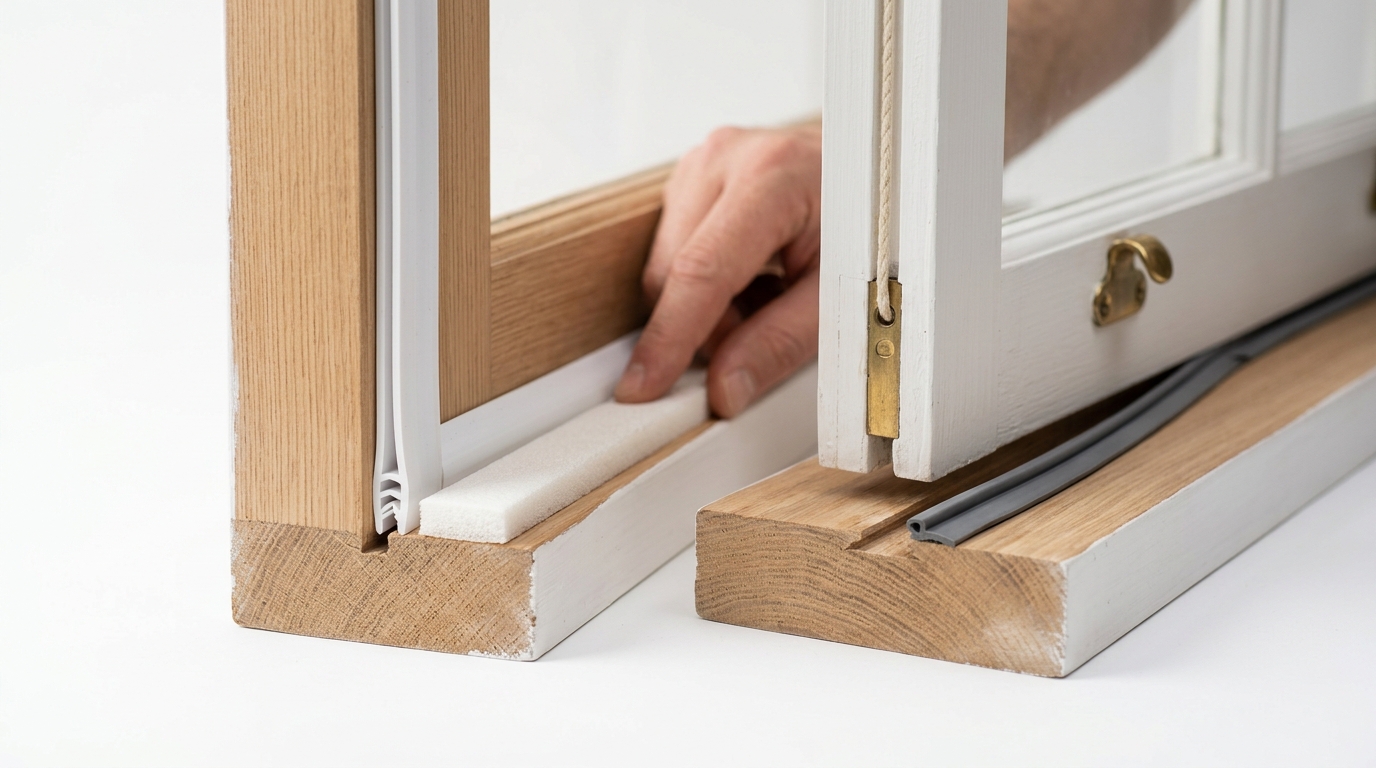
The real offenders are the meeting rail gap where the two sashes close against each other, the staff bead and parting bead channels along which the sashes slide, the bottom rail where it meets the sill, and any areas of degraded timber at the sash box perimeter. In many period properties, these gaps have widened over decades of seasonal timber movement, paint removal, and general wear.
Air infiltration through these pathways creates the cold-air river effect that makes a room feel draughty even when the heating is running at full capacity. Addressing these specific points with appropriate brush pile seals and compression seals is what draught-proofing does. It is targeted, precise, and entirely reversible if future restoration work requires it.
This is also why glazing upgrades alone will not cure a draughty sash window. You can install the finest double-glazed units, but if the meeting rail still carries a 3mm gap and the staff beads are not properly sealed, the cold air will continue to find its way in. Draught-proofing closes those routes first.
The Quick Comfort Wins: What Draught-Proofing a Victorian Sash Window Actually Involves
The phrase “quick comfort wins” is not an overstatement when it comes to the “draught-proofing first” strategy for Victorian sash windows. The work itself is typically completed within a day on a standard property, and the difference is felt immediately.
Here is what the process typically covers:
- Meeting rail sealing: A compression or brush pile seal is fitted at the point where the upper and lower sashes meet, eliminating the most common and most significant draught source in any sash window.
- Staff bead channels: Brush pile strips are installed along the vertical sliding channels to prevent lateral air movement whilst allowing the sash to move freely.
- Parting bead sealing: The channel between the upper and lower sashes is addressed with appropriate sealing to prevent cold air tracking down between the two sash weights.
- Bottom rail to sill: A compression seal at the base of the lower sash prevents cold air from pooling at floor level, one of the most uncomfortable draught effects in an older room.
- Timber repairs to frame perimeter: Minor timber defects that allow air ingress are consolidated as part of a responsible draught-proofing process, supporting the longer-term integrity of the original sash boxes.
The result is a window that operates more smoothly, seals far more effectively, and presents a noticeably quieter, warmer room. For homeowners in period properties who cannot yet commit to a full sash window restoration programme, this sequence of targeted interventions delivers real, measurable improvement.
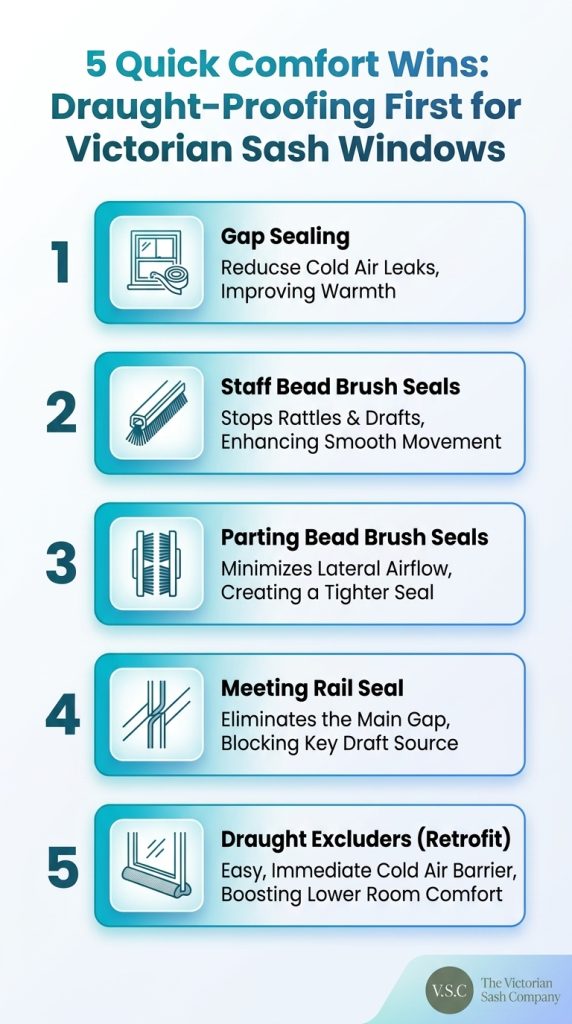
Five quick draught-proofing steps for Victorian sash windows to boost comfort before glazing upgrades. Implement these practical wins now for immediate relief.
Best For: Who Should Prioritise “Draught-Proofing First” Before Glazing Upgrades?
Not every homeowner is in the same position when it comes to their Victorian sash windows. This is a “best for” breakdown of who benefits most from a draught-proofing-first strategy, before committing to glazing upgrades.
Best for Grade II Listed Property Owners
If your home carries a listed building designation, glazing upgrades will require listed building consent, and in many cases, approval may be slow or conditional. Draught-proofing using discreet seals and brush strips does not alter the character of the window and sits comfortably within the spirit of most conservation requirements. It is the single best immediate intervention available for listed property owners.
Best for Conservation Area Homeowners
Similar constraints apply in conservation areas, where local planning authorities take a close interest in any changes to window apertures and sash profiles. Draught-proofing is a non-intrusive first step that improves comfort whilst you progress any necessary planning applications for glazing improvements.
Best for Homeowners Planning a Staged Renovation
If you are managing a larger restoration programme in stages, draught-proofing your sash windows early delivers comfort and energy savings from the outset, without waiting for the glazing phase. The improvements hold their value and enhance the eventual performance of your double-glazed installation when that phase arrives.
Best for Recently Purchased Period Properties
If you have recently moved into a Victorian or Edwardian property with original sash windows, draught-proofing is the fastest route to understanding how your windows perform and addressing the most immediate comfort issues whilst you plan a more comprehensive upgrade schedule.
Best for Rental and Investment Properties
For landlords with period properties, draught-proofing Victorian sash windows offers a demonstrable energy efficiency improvement at a relatively accessible cost, improving occupant comfort and reducing heating demands ahead of any longer-term glazing investment.
Draught-Proofing vs. Glazing Upgrades: What Each One Actually Delivers
It is worth being precise about what each intervention achieves, because the “draught-proofing first” approach for Victorian sash windows is not about dismissing glazing upgrades. It is about sequencing them correctly for the best outcome.
| Intervention | Primary Benefit | Timeline | Heritage Impact |
|---|---|---|---|
| Draught-proofing | Eliminates air infiltration at gap points | Same day | Minimal, fully reversible |
| Double glazing in original sash boxes | Improves U-value of the glass itself | Days to weeks | Preserves original boxes, discreet |
| Draught-proofing combined with glazing | Maximum thermal and acoustic performance | Staged or simultaneous | Preserves authentic appearance throughout |
| PVC full replacement | New unit, modern U-value | Days | Destroys original character. Never our recommendation. |
The benefits of installing double glazing in original sash boxes go far beyond just keeping the heat in. But those benefits are compounded significantly when draught-proofing has already been carried out. Think of it as preparing the canvas properly before you paint.
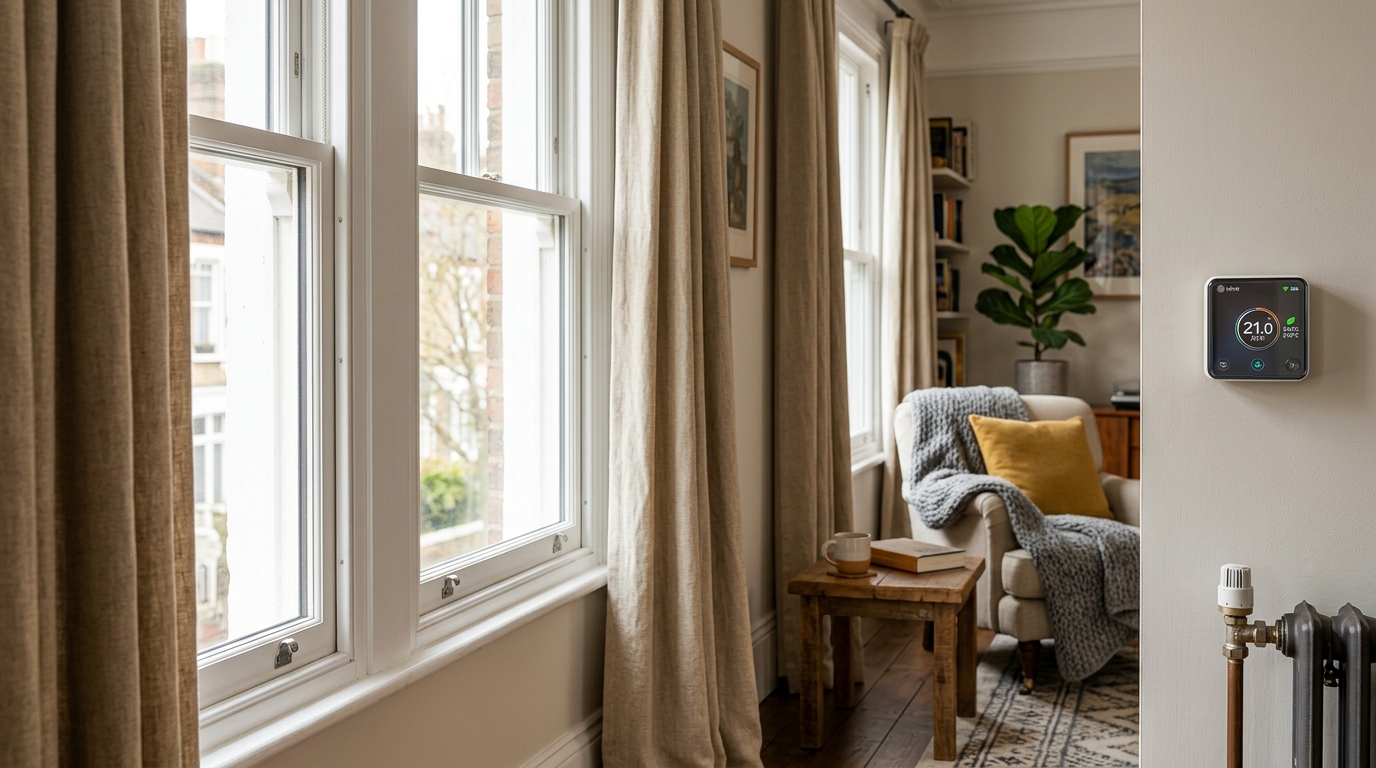
How Draught-Proofing Strengthens the Case for Keeping Original Sash Boxes
One of our core beliefs at The Victorian Sash Company is that original sash boxes are worth preserving. They are part of the fabric of the building, crafted from timber that in many cases has already demonstrated its durability over 150 years. Ripping them out for a PVC alternative is a loss that cannot be undone.
The “draught-proofing first” strategy for Victorian sash windows actively supports the case for retention. When draught-proofing is applied correctly, it demonstrates that the existing window, with modest intervention, can perform to a standard that makes full replacement unnecessary. That proof of concept is invaluable when navigating planning conversations or simply when reassuring a client that their heritage home’s character is worth protecting.
By sealing gaps and securing loose sashes, a draught-proofing system makes the existing window work as it was intended to. The result is immediate comfort, and a compelling argument for retaining the original sash boxes through every subsequent upgrade phase, including the installation of slimline double-glazed units within those very same frames.
Did You Know?
Draught-proofing can bring a sash window’s thermal performance to a level equivalent to modern double-glazed replacements when combined with appropriate window treatments such as shutters, blinds, or heavy curtains.
Source: Bath and North East Somerset Council
Draught-Proofing and Security: The Overlooked Comfort Win for Victorian Sash Windows
When homeowners think about quick comfort wins from draught-proofing Victorian sash windows, they naturally focus on warmth. But, we are equally clear with our clients that a professionally draught-proofed sash window is also a more secure one.
By sealing gaps and securing loose sashes, our draught-proofing system makes it far more difficult to manipulate or force the window open from outside. A loose, rattling sash with significant gaps at the meeting rail is an invitation to opportunist intruders. A well-sealed, properly adjusted sash is not.
We also combine draught-proofing work with the fitting of appropriate ironmongery where required. We fit traditional fasteners in a wide range of finishes that are lockable, and our sash window security services can be carried out as part of the same visit. Our security solutions combine traditional craftsmanship with modern technology to keep your property safe, without the need for any fitting that would compromise the authentic appearance of your period window.
For families with young children, the same principle applies. A draught-proofed sash with correctly adjusted sash weights and fitted restrictors is a far safer window than one that rattles and shifts unpredictably. Many parents question whether these traditional features pose risks, but they can be made safe without losing their charm, and draught-proofing is always the sensible first step in that process.
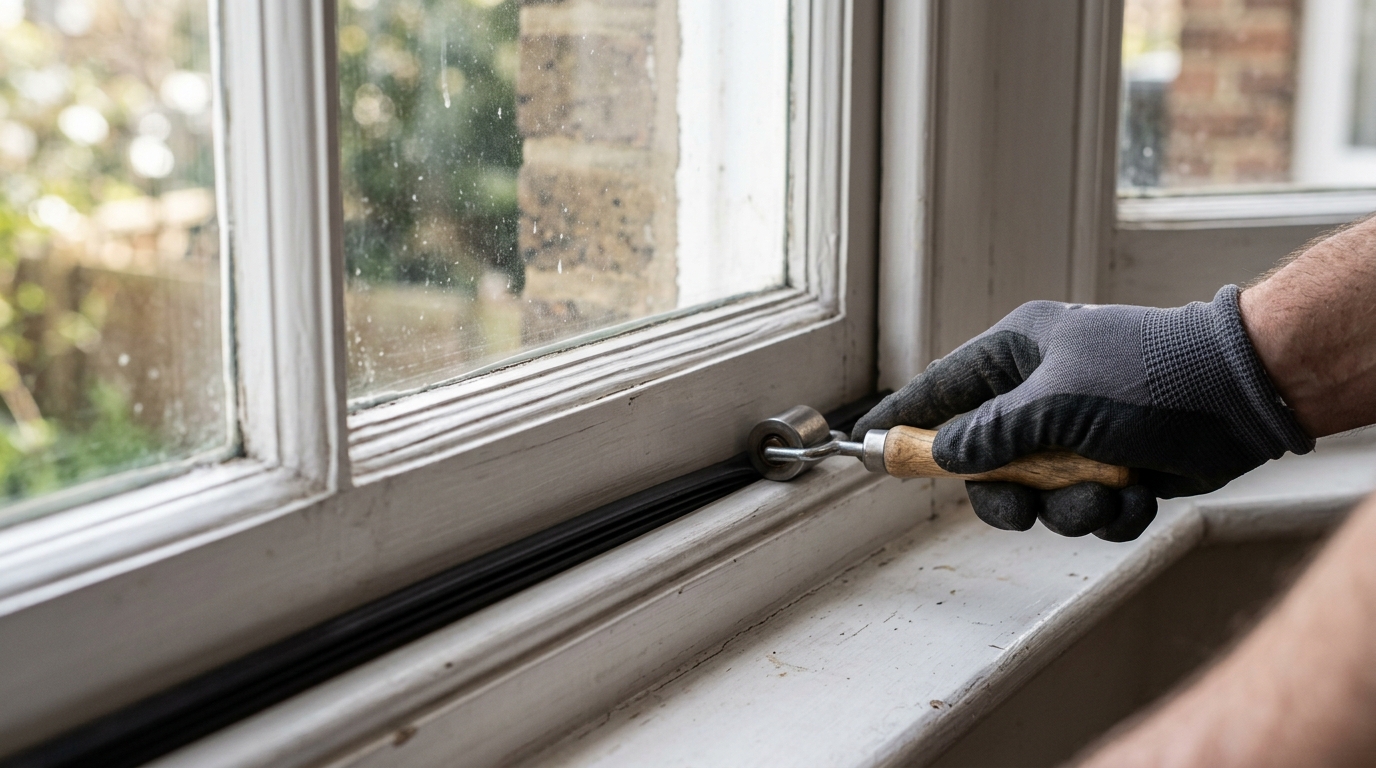
What to Look for in a Draught-Proofing Specialist for Victorian Sash Windows
Not all draught-proofing work is equal, and on a period property, the quality and character of the intervention matters as much as its performance. Here is what we recommend looking for when choosing a specialist for Victorian sash window draught-proofing.
- Experience with period properties: A specialist who understands timber construction, historic window profiles, and the particular behaviour of aged sash boxes will make better decisions at every stage of the work.
- Familiarity with Grade II listed requirements: If your property is listed or sits in a conservation area, your specialist should understand what interventions are appropriate and how to document them if required.
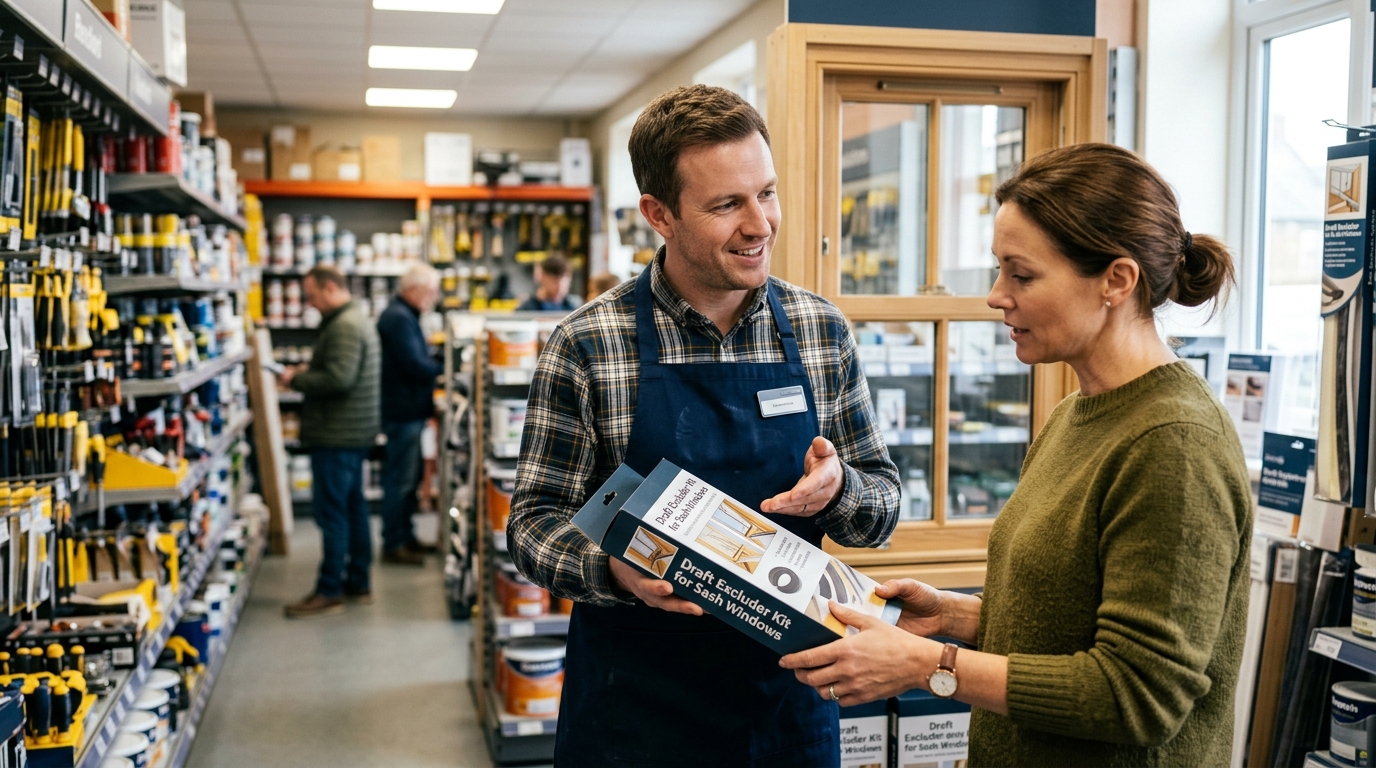
- Use of appropriate materials: Brush pile seals, compression seals, and timber consolidants should all be specified for the conditions present. Generic materials from a builder’s merchant are not always suitable for Victorian sash windows.
- A “retention first” philosophy: Any specialist recommending full window replacement as part of a draught-proofing conversation is not approaching the work with the right priorities. Draught-proofing is explicitly about improving what you already have.
- An honest scope of work: A good specialist will tell you clearly what draught-proofing will and will not achieve on your particular windows, and will be equally clear about when glazing upgrades or timber repairs are necessary next steps.
You can explore more of our approach and the range of work we carry out on Victorian and Edwardian properties via our Victorian sash window services page, or visit our frequently asked questions for answers to some of the most common queries we receive.
After the Draught-Proofing: Planning Your Glazing Upgrade Without Compromise
The “draught-proofing first” approach for Victorian sash windows is not the end of the journey. It is the beginning of a logical, staged improvement programme that ultimately leads to a window performing at its absolute best whilst retaining every element of its original character.
Once draught-proofing has delivered your quick comfort wins, the next phase is typically the installation of slimline double-glazed units within the original sash boxes. This is where the real thermal transformation occurs, and it is a far more rewarding project when the sealing work has already been carried out. There are no nasty surprises from residual infiltration, and the performance improvement is immediately attributable to the glazing upgrade itself.
We work within original sash boxes whenever possible, avoiding the destruction of historic fabric that full-frame replacement would entail. Our sash window double glazing and insulation services are designed specifically to work with what you already have, not against it. The goal is always a window that performs to modern standards whilst looking exactly as it always did.
If you would like to discuss where your property sits on this journey, we are always happy to provide guidance. You can reach our team via our contact page to arrange a conversation or site visit.
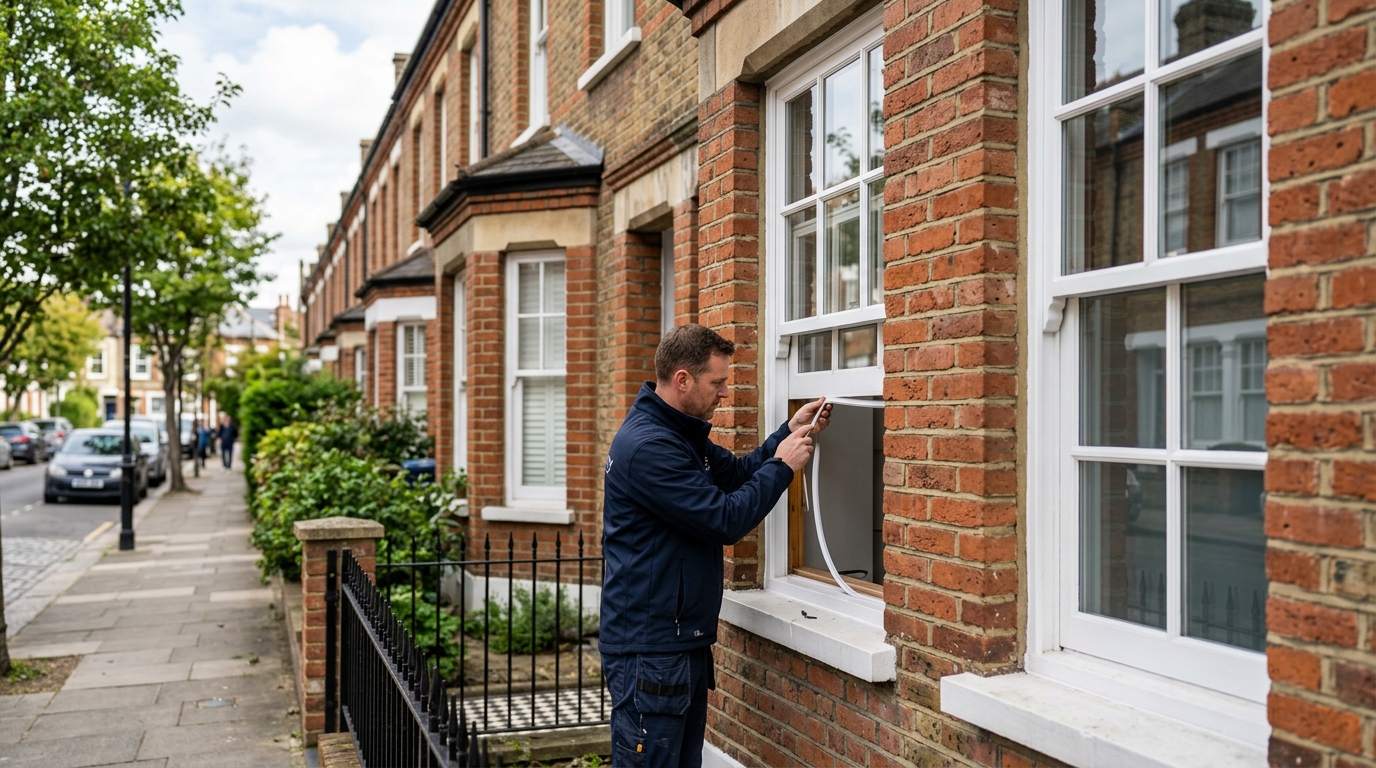
Conclusion: Draught-Proofing First Is the Wisest Quick Comfort Win for Victorian Sash Windows
The case for “draught-proofing first” for Victorian sash windows is, in our view, one of the clearest arguments in heritage home improvement. The quick comfort wins are real, immediate, and delivered without compromising the timeless elegance of your period property. The gaps are closed, the cold-air pathways are blocked, the sashes move properly, and the security of your home improves alongside its thermal performance.
Glazing upgrades remain a critical and highly rewarding next step, and we advocate for them wholeheartedly. But the sequence matters. Draught-proofing sets the conditions for glazing to perform at its best. Skipping it means paying more for less.
At The Victorian Sash Company, with over 50 years of combined sash window experience across our team, we have seen the difference that proper sequencing makes in real homes. We know how much a well-sealed, properly restored sash window contributes to the daily comfort of a heritage home, and we know that the “draught-proofing first” strategy for Victorian sash windows is, the smartest, most protective approach any period property owner can take before investing in glazing upgrades.
If your sash windows are letting in cold air, start there. The comfort wins are waiting, and they are closer than you might think.
Frequently Asked Questions
Is draught-proofing Victorian sash windows worth it before getting double glazing?
Yes, absolutely. The “draught-proofing first” approach for Victorian sash windows is widely recognised as the most practical and cost-effective first step. It delivers immediate comfort improvements, reduces air infiltration through the gap points that glazing alone cannot address, and significantly improves the eventual performance of any double-glazing installation that follows.
How long does draught-proofing a Victorian sash window take?
For a standard property with three to five sash windows, a professional draught-proofing programme is typically completed within a single day. The comfort improvement is felt immediately once the brush pile seals and compression strips are in place, making it one of the genuinely quick comfort wins available to heritage homeowners.
Will draught-proofing damage my original sash boxes?
Not when carried out by a specialist who understands Victorian construction. A correctly applied draught-proofing system works within the existing frame, using materials sized and specified for the original sash box profiles. The work is, in most cases, fully reversible and does not compromise the structural integrity or authentic appearance of the window.
Can you draught-proof a sash window in a Grade II listed building?
Yes. Draught-proofing using discreet brush pile and compression seals does not alter the character or external appearance of a listed window, and it is generally considered acceptable within conservation area and listed building frameworks. We recommend confirming this with your local authority if your property carries a specific consent condition, but in our experience, draught-proofing is consistently one of the most straightforward and approved-friendly interventions for Grade II listed sash windows.
What is the difference between draught-proofing and full sash window restoration?
Draught-proofing targets the specific gaps and sealing pathways that allow cold air to enter, delivering quick comfort wins without addressing structural or cosmetic deterioration in the timber. Full sash window restoration covers the complete programme of timber repair, weight rebalancing, paint preparation, and performance upgrades. Draught-proofing is an excellent first step and can be incorporated as part of a full restoration, but the two are not interchangeable.
Can draught-proofing really match the performance of double glazing for a sash window?
When combined with appropriate window treatments such as internal shutters, heavy curtains, or thermal blinds, research from Bath and North East Somerset Council notes that draught-proofed sash windows can achieve thermal performance equivalent to modern double-glazed replacements. This finding continues to underpin the “draught-proofing first” approach for Victorian sash windows as a genuinely high-impact quick comfort win, not merely a stopgap.
How do I know if my Victorian sash windows need draught-proofing or full replacement?
In almost every case involving original Victorian sash boxes, draught-proofing and sympathetic restoration are the right answer, not full replacement. Full replacement with PVC or aluminium units destroys the historic fabric of the building and is rarely necessary where the original timber is structurally sound. We carry out an honest assessment of each window and will tell you clearly what is needed and in what order, beginning with the quick comfort wins that draught-proofing delivers.
Require Assistance with Repairs?
Contact us now on 01606 333943
Mobile: 07789 598238
Email: info@victoriansash.net