
Blog
Best Double Glazing Options for Victorian Homes: A Heritage Specialist’s Guide
Did you know that double glazing can reduce heat loss by as much as 60%, a figure that matters enormously for the poorly insulated bay windows and draughty sash boxes found in most period properties? Finding the best double glazing options for Victorian homes means balancing that thermal performance against something far harder to quantify: the delicate joinery and glass proportions that make a Victorian window a Victorian window in the first place.
At The Victorian Sash Company, with over 50 years of combined sash window experience across our team, we have spent decades helping homeowners across Cheshire navigate exactly this decision.
Key Takeaways
- Slimline glass units (such as vacuum-sealed Fineo panes) remain the best double glazing option for Victorian homes where the original sash boxes must be retained.
- Secondary glazing is fully reversible, making it ideal for Grade II listed buildings where planning consent restricts changes to external joinery.
- Draught-proofing first is our recommended entry point: it delivers quick comfort wins before any glazing upgrade is considered.
- Toughened and laminated glass improves safety and sound insulation without altering the period appearance of the window.
- Correctly maintained timber sash frames can last 60 years or more, so glazing decisions should be made with longevity in mind.
- Upgrading glazing can support a better EPC rating, which in turn can add measurable value to a period property.
- Every option we install must respect the traditional double-hung sash window design that defines Victorian architecture.
Why Victorian Homes Need a Different Approach to Double Glazing
Standard uPVC double glazing was never designed with Victorian sash boxes in mind.
The timber horns, the slender glazing bars, the weighted sash mechanism: none of it translates neatly into a modern factory-sealed unit.
That is why the best double glazing options for Victorian homes are almost always bespoke, built to fit the original frame rather than replace it outright.
We specialise in Victorian sash windows across Cheshire, offering bespoke solutions for heritage homes that need to look right from the street while performing well in winter.
Vacuum-Sealed Slimline Glass: Our Top Double Glazing Option for Original Sash Frames
Vacuum-sealed slimline glass, such as Fineo, is one of the most significant advances available to owners of period property.
It delivers genuine thermal performance in a pane thin enough to sit inside the original sash frame, with minimal cutting or modification to historic timber.
- Retains the slender glazing bars typical of Victorian design
- Achieves high thermal performance without bulky spacer bars
- Fits within existing sash weights, avoiding structural alterations
For homeowners asking which double glazing options for Victorian homes preserve authenticity most closely, this is usually where the conversation starts.
Slim Double Glazing Units: A Practical Middle Ground
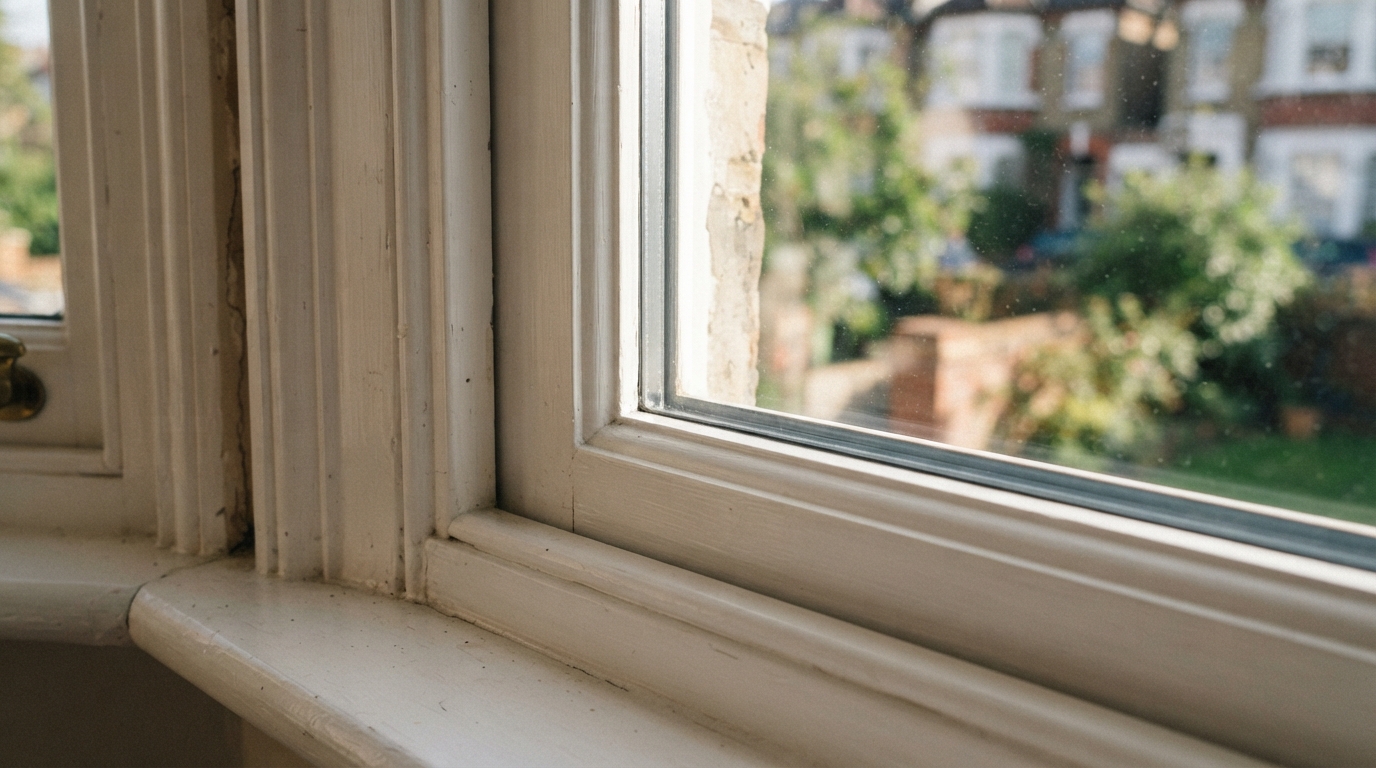
Slim double glazing units offer a slightly thicker alternative to vacuum-sealed glass, typically incorporating an Argon fill and Low-E coating.
These units still fit within existing sash weights and timber frames, making them one of the more accessible double glazing options for Victorian homes on a moderate budget.
Our craftsmen combine decades of experience with traditional joinery methods to fit these units without disturbing the sash boxes that give the window its authentic movement.
Full details on our sash window double glazing and insulation services outline exactly how this process works, frame by frame.
Did You Know?
Detached households can save between £120 and £155 a year on energy bills after upgrading to double glazing.
Source: Sheerwater Glass
Secondary Glazing: The Reversible Double Glazing Option for Listed Homes
Secondary glazing involves fitting an additional internal pane behind the existing sash window, leaving the original historic fabric untouched.
Because it is fully reversible, it is often the only permitted route to improved insulation for owners of Grade II listed buildings.
We deliver windows that respect heritage while supporting the environment, and secondary glazing sits comfortably within that philosophy.
For a closer look at how planning restrictions shape these decisions, our guide to double glazing solutions for Grade II listed buildings covers the process in detail.
Toughened and Laminated Glass: Safety Without Sacrificing Style
At The Victorian Sash Company, with over 50 years of combined sash window experience across our team, we know that upgrading to toughened glass is one of the most practical, responsible steps you can take, without touching the beauty of your heritage home.
Laminated glass adds a further layer of protection, improving both security and sound insulation against traffic noise on busier Cheshire roads.
These upgrades pair naturally with the discreet hardware fitted through our sash window security services, which blend genuine locking mechanisms with historic ironmongery.
The Draught-Proofing First Approach: Where Most Homeowners Should Begin
The “draught-proofing first” approach for Victorian sash windows has become the most practical and cost-effective route to quick comfort wins.
Before committing to any glazing upgrade, we recommend a full assessment of the seals, weather-stripping, and sash boxes themselves.
Early intervention prevents minor problems from becoming costly repairs, and in many homes, draught-proofing alone resolves the majority of winter discomfort.
Our approach to sash window restoration always begins here, before any conversation about glazing options takes place.
Double Glazing Options for Grade II Listed Victorian Homes
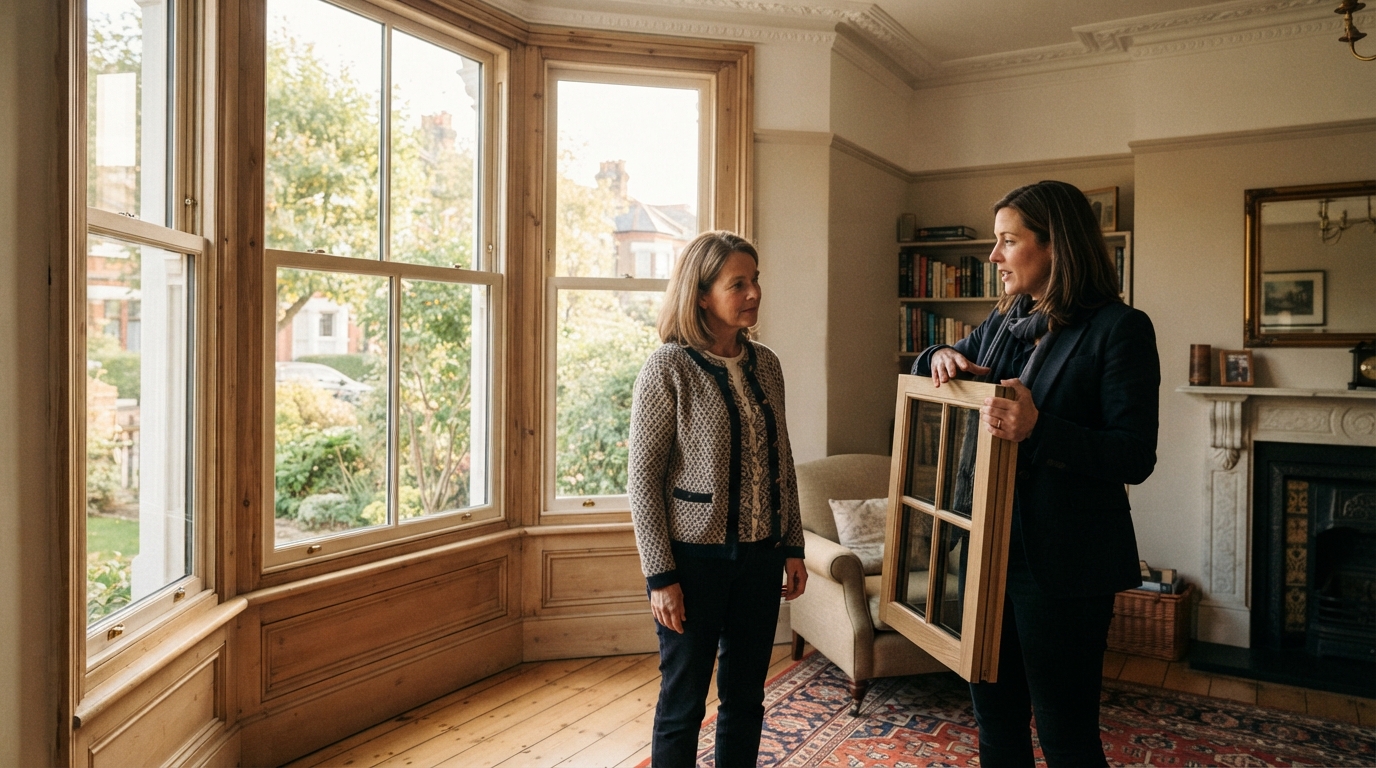
Grade II listed status changes the entire conversation around glazing.
Planning departments across Cheshire generally favour secondary glazing or slimline units over full sash replacement, provided the external appearance remains unaltered.
Whether you need full replacements, double glazing, or careful restoration, we ensure every detail respects original designs.
We work directly with conservation officers where required, ensuring every one of the best double glazing options for Victorian homes we recommend meets legal and historical compliance.
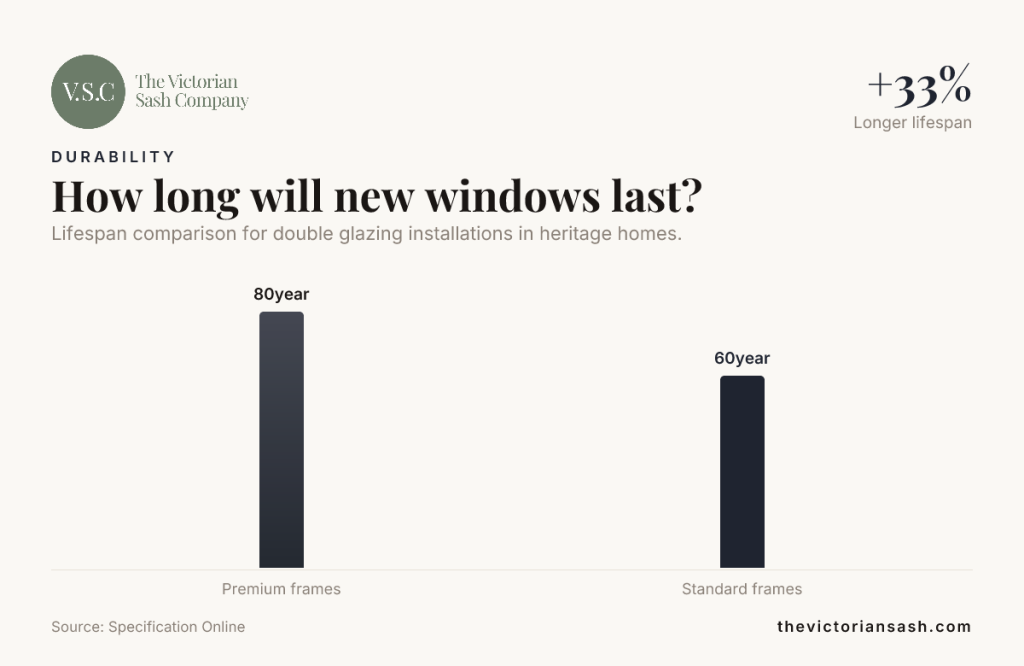
Lifespan comparison for double glazing installations in heritage homes.
Comparing the Best Double Glazing Options for Victorian Homes
| Option | Best For | Reversible? | Thermal Performance |
|---|---|---|---|
| Vacuum-Sealed Slimline Glass (Fineo) | Original sash frames, unlisted homes | No | Very High |
| Slim Double Glazing Units | Moderate budgets, existing sash weights | No | High |
| Secondary Glazing | Grade II listed buildings | Yes | Moderate to High |
| Toughened / Laminated Glass | Security and noise reduction | No | Moderate |
| Draught-Proofing | Quick, low-cost comfort improvements | Yes | Low to Moderate |
Correctly maintained timber frames can serve a property for around 60 years, which means the glazing decision made now will likely outlast a full change of homeowner.
Did You Know?
Correctly maintained wood window frames can last 60 years, addressing common concerns about the longevity of traditional Victorian-style materials.
Source: Specification Online
Sustainability and the Best Double Glazing Options for Victorian Homes
Sustainability sits at the heart of every decision we make.
Modified timber, such as Accoya, offers a durable, eco-friendly upgrade for repairs or new sashes, extending the working life of the whole glazing system.
Sash windows bring timeless appeal to any property, but they need regular upkeep to maintain their beauty, and choosing sustainable materials from the outset reduces how often that upkeep is required.
We deliver windows that respect heritage while supporting the environment, an approach that runs through every project on our Victorian sash window services page.
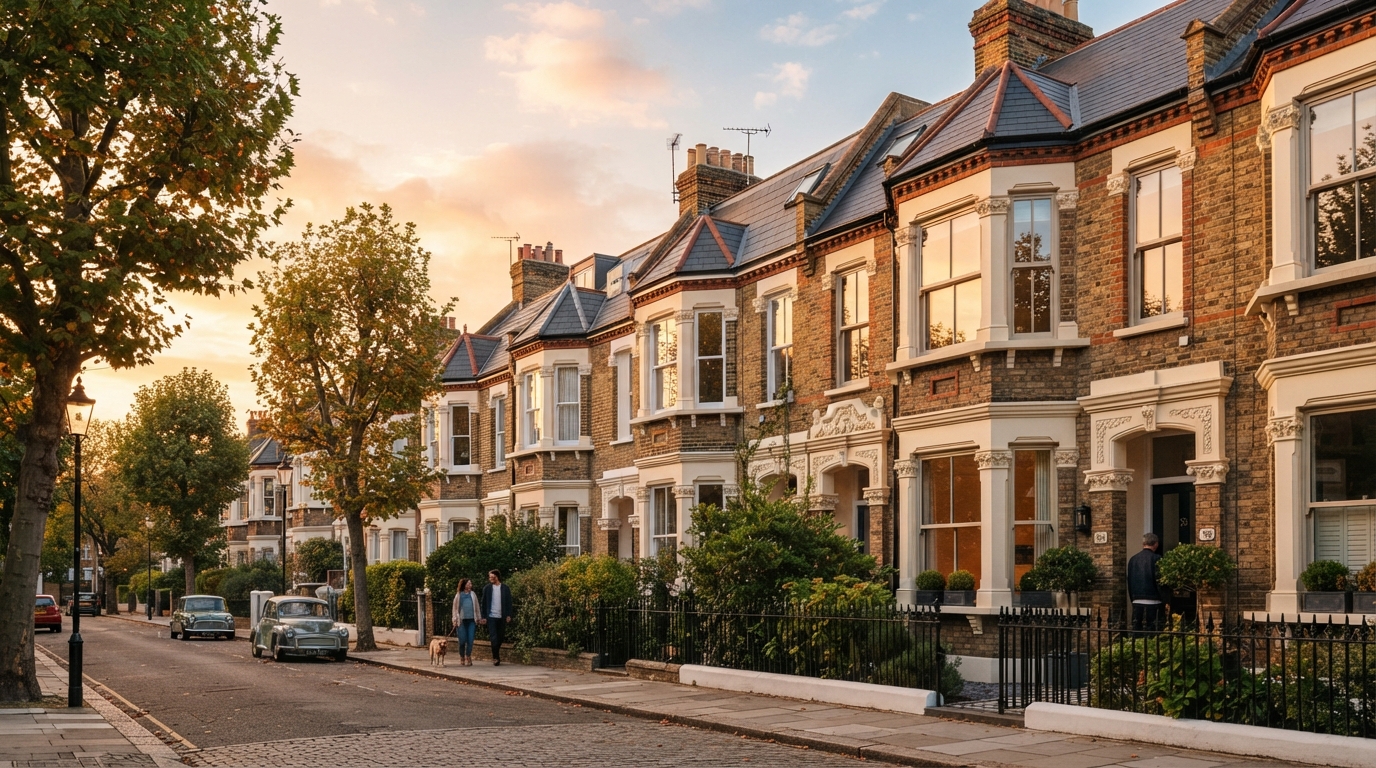
Where We Install the Best Double Glazing Options for Victorian Homes Across Cheshire
Our portfolio showcases Victorian sash windows restored and installed across Cheshire, and our teams work in period properties throughout the region.
We regularly fit these glazing options in Knutsford, Wilmslow, and Alderley Edge, as well as further afield in Warrington, Manchester, and Macclesfield.
Homeowners in Sandbach, Middlewich, Chester, and High Leigh can view examples of completed projects in our gallery.
Conclusion: Choosing the Best Double Glazing Options for Victorian Homes
There is no single answer to which glazing option suits every Victorian property, because every sash box, every listing status, and every homeowner’s budget is different.
What we can say, after 50 years of combined experience across our team, is that the best double glazing options for Victorian homes always begin with respect for the original joinery and end with genuine, measurable comfort.
Crafted for Tradition, Built for Today, we invite you to get in touch with our team to discuss which route suits your home.
Frequently Asked Questions
What is the best double glazing option for a Victorian home?
For most unlisted Victorian properties, vacuum-sealed slimline glass such as Fineo offers the best balance of thermal performance and period authenticity. It fits within the original sash frame without requiring bulky spacer bars.
Can you fit double glazing in a Grade II listed Victorian house?
Yes, though options are usually restricted to secondary glazing or slimline units that do not alter the external appearance of the window. We always recommend checking with local conservation officers before committing to any glazing option.
Is draught-proofing better than double glazing for Victorian sash windows?
Draught-proofing is generally the more cost-effective first step, often delivering noticeable comfort improvements before any glazing upgrade is needed. Many homeowners find that draught-proofing alone resolves the majority of their winter draughts.
How long does double glazing last in a Victorian timber frame?
Correctly maintained timber frames fitted with modern glazing units can last around 60 years, and in some cases considerably longer with modified timber such as Accoya. Regular maintenance remains essential to achieving that lifespan.
Does double glazing increase the value of a period property?
Improving a home’s EPC rating through better glazing can support a measurable increase in property value, alongside improved kerb appeal. Well-chosen double glazing options for Victorian homes can therefore pay for themselves over time.
Is secondary glazing worth it for Victorian sash windows?
Secondary glazing is worth considering for any homeowner who needs a fully reversible solution, particularly in listed buildings. It preserves the original external fabric while still improving draughts and noise control.
Will double glazing change the look of my Victorian sash windows?
Not if it is fitted correctly. Slimline and vacuum-sealed glass units are specifically designed to sit within the original glazing bars, preserving the period character of the window while improving its performance.
Require Assistance with Repairs?
Contact us now on 01606 333943
Mobile: 07789 598238
Email: info@victoriansash.net