
Blog
Top Modern Double Glazing Solutions for Grade II Listed Buildings
If you own a Grade II listed property, finding the right modern double glazing solutions for Grade II listed buildings is one of the most complex home improvement challenges you will face. The rules are strict, the aesthetics matter enormously, and the wrong choice can result in refused consent, damage to irreplaceable original fabric, or a window that looks completely out of place on a building that has stood for over a century.
Key Takeaways
| Question | Answer |
|---|---|
| Can you fit double glazing in a Grade II listed building? | Yes, but it requires Listed Building Consent and must not harm the character of the building. Slimline and vacuum-sealed glazing options are generally the most appropriate. |
| What is the best double glazing for listed buildings? | Vacuum-sealed slimline glass, such as Fineo glass, is widely regarded as the gold standard for Grade II listed buildings because it fits within original 19th-century sash frames without modification. |
| Is secondary glazing acceptable in a Grade II listed building? | Secondary glazing is often the preferred route for conservation officers because it is reversible and leaves the original frame completely untouched. |
| Do I need Listed Building Consent for double glazing? | Yes. Any alteration to a listed building that affects its character requires consent. Always check with your local planning authority before proceeding. |
| Can original sash windows be double glazed without replacing them? | In many cases, yes. With specialist slimline glazing inserted into restored original frames, it is possible to add double glazing insulation without touching the original sashes. |
| How long does heritage double glazing last? | High-quality slimline units installed into properly restored timber frames can last 25 to 50 years, particularly when the frames themselves are repaired using durable modified timber such as Accoya. |
| Is uPVC ever acceptable in a Grade II listed building? | Almost never. Conservation officers consistently refuse uPVC in listed buildings because it alters the appearance and character of the property in a way that heritage glazing does not. |
Why Double Glazing in Grade II Listed Buildings Requires a Specialist Approach
A Grade II listing is the most common designation in England, covering buildings of “special interest” that warrant every effort to preserve them. That designation places legal obligations on the owner, and choosing the wrong glazing contractor, one who is unfamiliar with listed building legislation, can create serious problems.
Standard double glazing units are too thick to sit within original Victorian sash frames without forcing the glazing bars apart or replacing the sashes entirely. Either approach is almost certain to result in refused consent and, in some cases, enforcement action requiring the work to be reversed at significant cost.

This is why we always begin with a Free Detailed Survey, assessing every window individually before recommending a glazing route. A window that appears in reasonable condition from the outside may have hidden timber decay that, left untreated, will undermine any glazing investment within a few years.
At The Victorian Sash Company, with over 15 years of specialised experience working on heritage timber, we understand that no two listed buildings are identical. The correct solution depends on the frame condition, the depth of the existing rebate, the conservation officer’s preferences, and the thermal performance you need to achieve.
Top Modern Double Glazing Solutions for Grade II Listed Buildings Explained
In 2026, owners of Grade II listed properties have more genuinely sympathetic options available to them than at any previous point. The challenge is understanding which solution is appropriate for your specific building, your budget, and your conservation officer’s requirements.
Below we outline the principal options, their advantages, and the circumstances in which each is most appropriate.
- Vacuum-sealed slimline glazing (e.g. Fineo glass): The thinnest true double-glazing unit available, capable of sitting within an unmodified original sash.
- Slimline heritage double-glazed units: Slightly thicker than vacuum-sealed glass but still within acceptable parameters for many frames, with wider availability and a lower price point.
- Secondary glazing: A separate internal pane fitted inside the room, leaving the original window completely untouched. Frequently preferred by conservation officers.
- Draught-proofing with single glazing retention: Not double glazing, but in some cases the most appropriate and conservation-friendly option, delivering significant thermal improvement at lower cost.
Fineo Vacuum-Sealed Glass: The Best Slimline Double Glazing Solution for Listed Buildings
Fineo vacuum-sealed glass is, in our experience, the most impressive modern double glazing solution for Grade II listed buildings currently on the market. Its total thickness is approximately 6.7mm, which compares to the roughly 4mm of a single pane of Georgian or Victorian glass, meaning it sits comfortably within original 19th-century sash frames without any modification to the rebate.
The vacuum technology between the two panes achieves thermal performance comparable to a standard 28mm double-glazed unit, which is a remarkable feat given the slimline profile. For homeowners who want genuine double-glazing performance without altering their original windows, this is the solution we recommend most frequently.
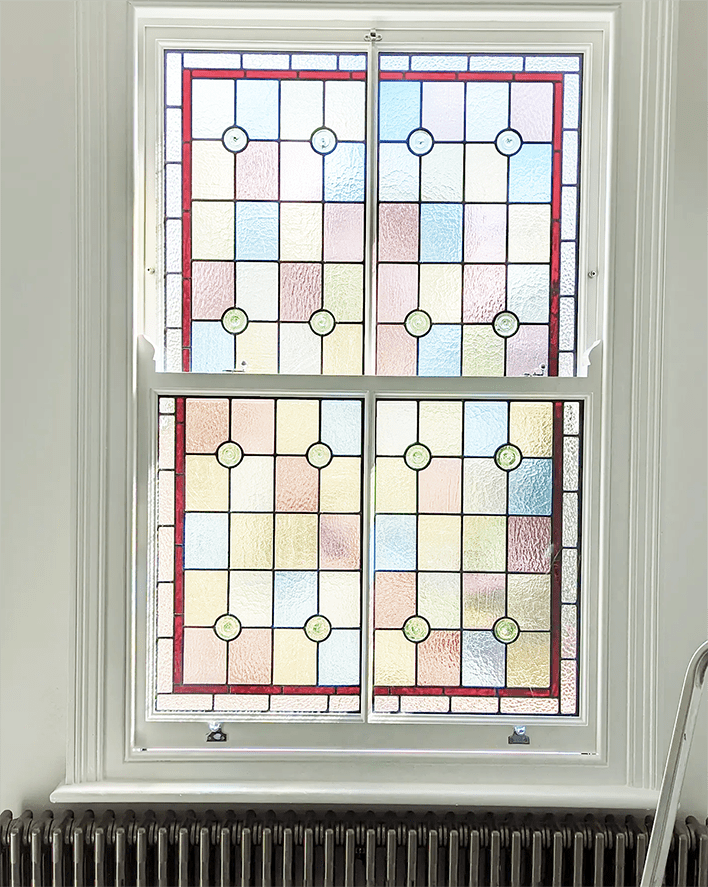
Conservation officers across the country have become increasingly receptive to Fineo as awareness of the product has grown. Because the glass drops into the existing frame rather than requiring a new sealed unit surround, the visual impact from the street is negligible, which is typically the primary concern of any listed building officer.
Our team fits Fineo glass as part of our complete Victorian sash window services, which always includes frame preparation, draught-sealing, and rebalancing of the original weights before the new glass is installed. Fitting slimline glass into a rotting or poorly balanced frame is a waste of the investment.
Slimline Heritage Double-Glazed Units for Grade II Listed Buildings
Where a vacuum-sealed solution is not required or where budget is a primary consideration, slim heritage double-glazed units offer a practical alternative for modern double glazing in Grade II listed buildings. These units are typically 10-12mm in total thickness and can be accommodated in frames where the rebate has been sympathetically deepened by a small amount.
The key word here is “sympathetically.” Any deepening of a rebate must be carried out with precision, using traditional woodworking techniques rather than routers run freehand. Our approach uses the same mortise and tenon joinery principles that the original Victorian joiners used, ensuring structural integrity is maintained.
Slimline heritage units are also available with a range of glass specifications, including acoustic laminated glass for properties on busy roads, and with warm-edge spacer bars finished in colours that are virtually invisible within the sight line of the frame.
Secondary Glazing as a Listed Building Double Glazing Solution
Secondary glazing is not a compromise, and we want to be clear about that. For many Grade II listed buildings, secondary glazing fitted to the internal face of the window reveal is actually the most appropriate modern double glazing solution available, and conservation officers frequently prefer it precisely because it is fully reversible.
A well-designed secondary glazing system, fitted with slim aluminium or timber sub-frames finished in a sympathetic colour, can achieve U-values comparable to standard double glazing while leaving the original window, including every last length of original glass, completely undisturbed.
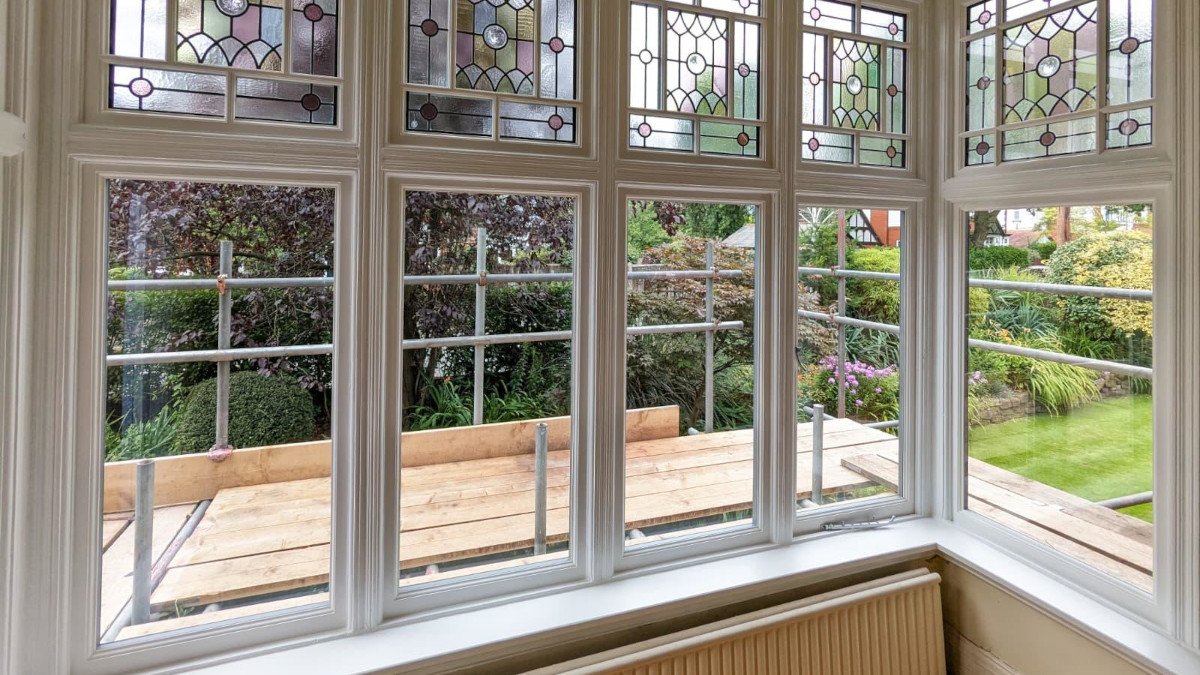
For properties where original crown or cylinder glass survives in the sashes, secondary glazing is nearly always the correct recommendation. Original glass has its own historical significance and replacing it, even with sympathetic slimline units, removes something irreplaceable from the building.
Secondary glazing is also particularly effective at reducing noise transmission, which is often as much of a concern for listed building owners as thermal performance. The air gap between the two panes in a secondary glazing system can be wider than in a conventional double-glazed unit, which gives it an acoustic advantage.
The Victorian Sash Restoration Process Before Any Glazing Is Fitted
We want to be direct about something that many glazing companies will not tell you: fitting modern double glazing into a deteriorating timber frame is a poor investment. The frame will continue to fail around the new glass, leading to water ingress, misting, and eventual failure of the sealed unit.
This is why our restoration process comes before any glazing decision. When we carry out our free window-by-window condition survey, we are assessing not just which glazing solution is appropriate but whether the frame is in a condition to support it.

Where rot is present, we splice in new timber sections using traditional mortise and tenon joints, rather than filling voids with wood filler. Filler is a temporary fix that will fail within a few years. A properly spliced repair, carried out in Accoya or durable oak, becomes a permanent structural element of the frame.
We are strong advocates of Accoya modified timber for any frame repairs undertaken before glazing. Accoya carries a 50-year guarantee against rot and performs better than the original Victorian pine in virtually every measurable way, while machining and painting exactly like traditional timber. For a Grade II listed building, it is an entirely sympathetic repair material.
Our Invisible Draught-Proofing System: Part of Every Modern Glazing Solution
One of the most effective improvements we make to listed building sash windows is not the glazing itself but our discreet draught-sealing system. This system is machined directly into the timber of the frame and sash, making it completely invisible when the window is closed.
This matters enormously in the context of Grade II listed buildings because many conservation officers have concerns about add-on brush-pile seals that alter the visual profile of a historic window. Our approach eliminates that concern entirely, while delivering a meaningful reduction in heat loss and draughts that supplements whatever glazing solution has been chosen.
In fact, for some listed building owners, a thoroughly draught-proofed and restored single-glazed sash window can outperform a poorly installed slimline double-glazed unit in a neglected frame. We always advise our clients honestly about this, even where it means recommending a less expensive solution.
Understanding Planning Requirements for Double Glazing in Grade II Listed Buildings
Listed Building Consent is a separate process from standard planning permission, and it applies to all works that would affect the character of a listed building. Replacing original glass or sash frames, even with high-quality heritage alternatives, generally requires consent.
The good news is that conservation officers in 2026 are, broadly speaking, more informed about slimline glazing technologies than they were a decade ago. Approaches that were routinely refused in the past are now more frequently approved when the application is supported by detailed technical specifications and evidence that the character of the building will be preserved.
We assist our clients in preparing the technical information required to support a consent application, drawing on our detailed knowledge of what conservation officers in different areas expect to see. Our experience working on Grade I and Grade II listed properties across Cheshire and the wider North West gives us a practical understanding of how to present a case effectively.
Choosing the Right Top Modern Double Glazing Solution for Your Listed Building
The right solution depends on a combination of factors that cannot be assessed remotely. The depth of your existing rebate, the condition of the timber, the presence or absence of original glass, the orientation of the elevation, and the specific requirements of your local conservation officer all play a part.
This is precisely why we offer a Free Detailed Survey that produces a window-by-window condition report for every property we visit. We do not offer a quick quote over the phone or by email photograph. The same craftsmen who carry out the survey also carry out the work, which means the person fitting your glazing understands exactly what they found during the assessment.

As a small, family-run business, we maintain a clean-site policy on every job. We take responsibility for the entire process from survey to completion, and we will always tell you honestly if a particular solution is not right for your building, even if a different option would generate a higher invoice for us.
Our belief has always been that restoration over replacement is the right approach for heritage buildings. Every original window we help save from unnecessary replacement is a small act of architectural stewardship, and we take that responsibility seriously.
Maintenance and Long-Term Care After Glazing
Fitting modern double glazing solutions to a Grade II listed building is an investment that should be protected with appropriate ongoing maintenance. Timber sash windows, even those repaired with durable materials such as Accoya, require periodic inspection, repainting, and hardware servicing to perform at their best.
We recommend a maintenance inspection every three to five years for windows that have been restored and glazed, and every two to three years for older properties where the frames are original and unrepaired. Our sash window maintenance guides cover the practical steps you can take between professional inspections to keep your windows in good condition.
Particular attention should be paid to the paintwork around the glazing rebates. Paint failure in these areas allows water to track behind the glass and into the frame, which is the primary cause of timber decay in otherwise well-maintained sash windows.
No Compromises
The top modern double glazing solutions for Grade II listed buildings available in 2026 offer genuine thermal and acoustic improvements without compromising the character that makes listed properties special. From Fineo vacuum-sealed glass that sits within original Victorian sashes, to thoughtfully designed secondary glazing systems that leave original fabric completely untouched, the options are better than they have ever been.
The critical factor is choosing a specialist who understands both the technical requirements of heritage glazing and the planning constraints of listed buildings. At The Victorian Sash Company, we combine over 15 years of hands-on experience with a restoration-first philosophy that puts the long-term wellbeing of your building before short-term commercial considerations.
If you own a Grade II listed property and are exploring your glazing options, we would welcome the opportunity to carry out a free, detailed window survey and walk you through the solutions that are most appropriate for your specific building. Every architectural gem deserves individual attention, and we are ready to provide it.
Frequently Asked Questions
Can you actually put double glazing in a Grade II listed building in 2026?
Yes, in most cases modern double glazing solutions can be installed in Grade II listed buildings, provided Listed Building Consent is obtained first and the glazing is sufficiently sympathetic to the original character of the building. Slimline options such as Fineo vacuum-sealed glass and heritage slim units are the most commonly approved routes in 2026.
What is the thinnest double glazing available for listed buildings?
Fineo vacuum-sealed glass is currently the thinnest true double-glazing unit available, with a total thickness of approximately 6.7mm. This makes it the leading slimline double glazing solution for Grade II listed buildings where the original rebate depth cannot be increased without damaging historic fabric.
Will a conservation officer approve double glazing for my listed sash windows?
It depends on the specific solution proposed and your local authority’s policies, but conservation officers in 2026 are increasingly familiar with and receptive to slimline heritage glazing options. A detailed application supported by technical specifications from a specialist contractor significantly improves the likelihood of consent being granted.
Is it better to restore original sash windows or replace them with double-glazed units?
For Grade II listed buildings, restoring and upgrading original sash windows is almost always preferable to replacement, both from a conservation perspective and in terms of long-term value. Well-restored timber sashes fitted with slimline double glazing or secondary glazing can outperform replacement windows in durability and period authenticity.
How much does slimline double glazing for listed buildings cost in 2026?
The cost of modern double glazing solutions for Grade II listed buildings varies considerably depending on the number of windows, the condition of the existing frames, and the type of glazing chosen. Vacuum-sealed glass such as Fineo commands a premium over standard slimline units, and frame restoration costs must be factored in alongside the glazing itself. A detailed survey is the only way to obtain an accurate figure for your property.
Can draught-proofing alone make a significant difference to a listed building’s thermal performance?
Yes. A professionally installed draught-proofing system, particularly one machined discreetly into the timber rather than applied as an add-on brush pile, can reduce heat loss through sash windows by a significant margin. In some cases, draught-proofing a single-glazed sash window delivers a result comparable to a poorly fitted secondary glazing system, and it is invariably easier to obtain conservation approval for.
Do I need a specialist contractor for double glazing in a Grade II listed building, or can any glazing company do it?
A specialist contractor with specific listed building experience is strongly recommended. Standard glazing companies frequently lack knowledge of the planning constraints, the appropriate slimline glazing products, and the timber restoration techniques required to make a listed building double glazing project successful. Using a non-specialist risks refused consent, damage to original fabric, and a glazing solution that fails prematurely because the underlying frames were not properly prepared.
Require Assistance with Repairs?
Contact us now on 01606 333943
Mobile: 07789 598238
Email: info@victoriansash.net