
Blog
What Is a Double Hung Sash Window: A Complete Guide to This Classic Design
A sash window is a traditional style of window that features movable panels which slide vertically within a frame. Double hung versions take this design further by making both the upper and lower panels operational. This means you can open either section independently or adjust both at the same time to control how much air flows into your room.
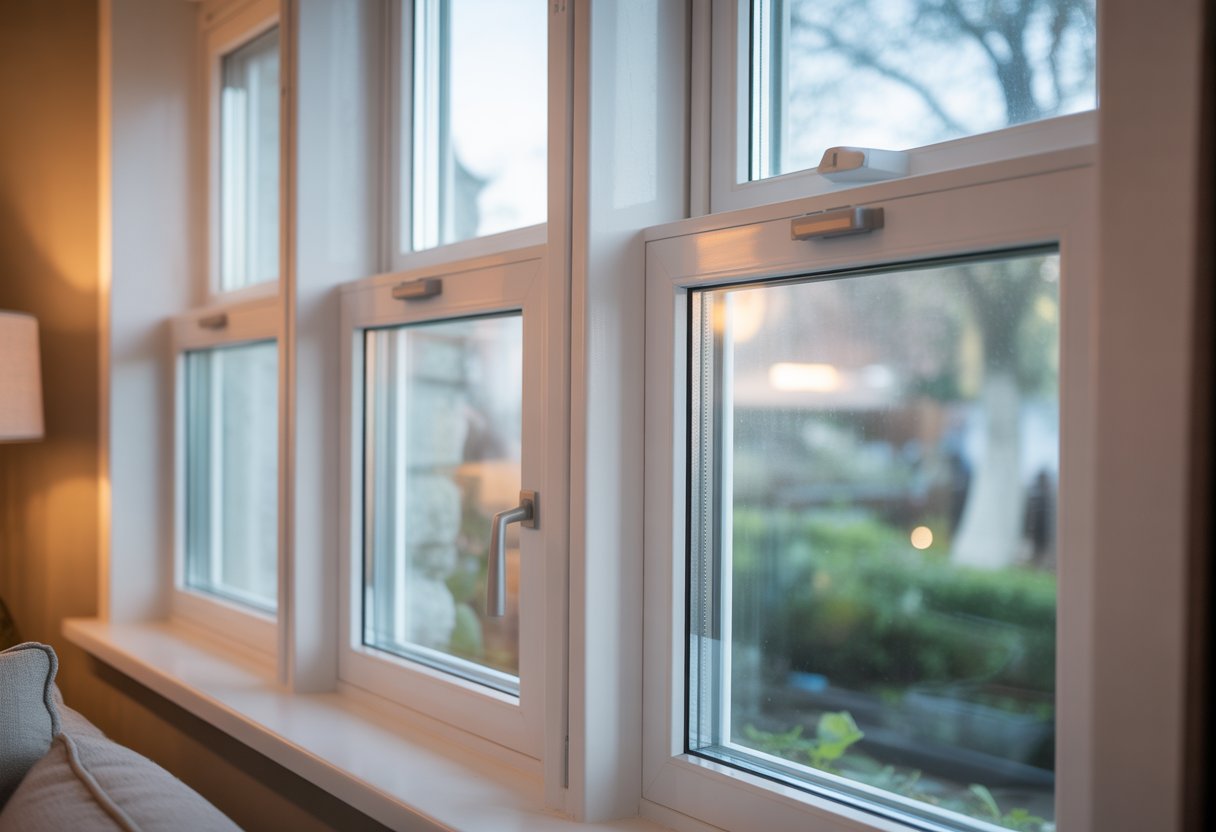
This window style has remained popular for hundreds of years because it combines attractive looks with useful features. The benefits of double hung sash windows include better control over ventilation, easier cleaning from inside your home, and the ability to suit various building styles from period properties to contemporary designs. You can choose from different materials and finishes to match your preferences whilst keeping the classic appearance that makes these windows a lasting choice for homeowners.
Design and Functionality
What Makes Double-Hung Sash Windows Distinct
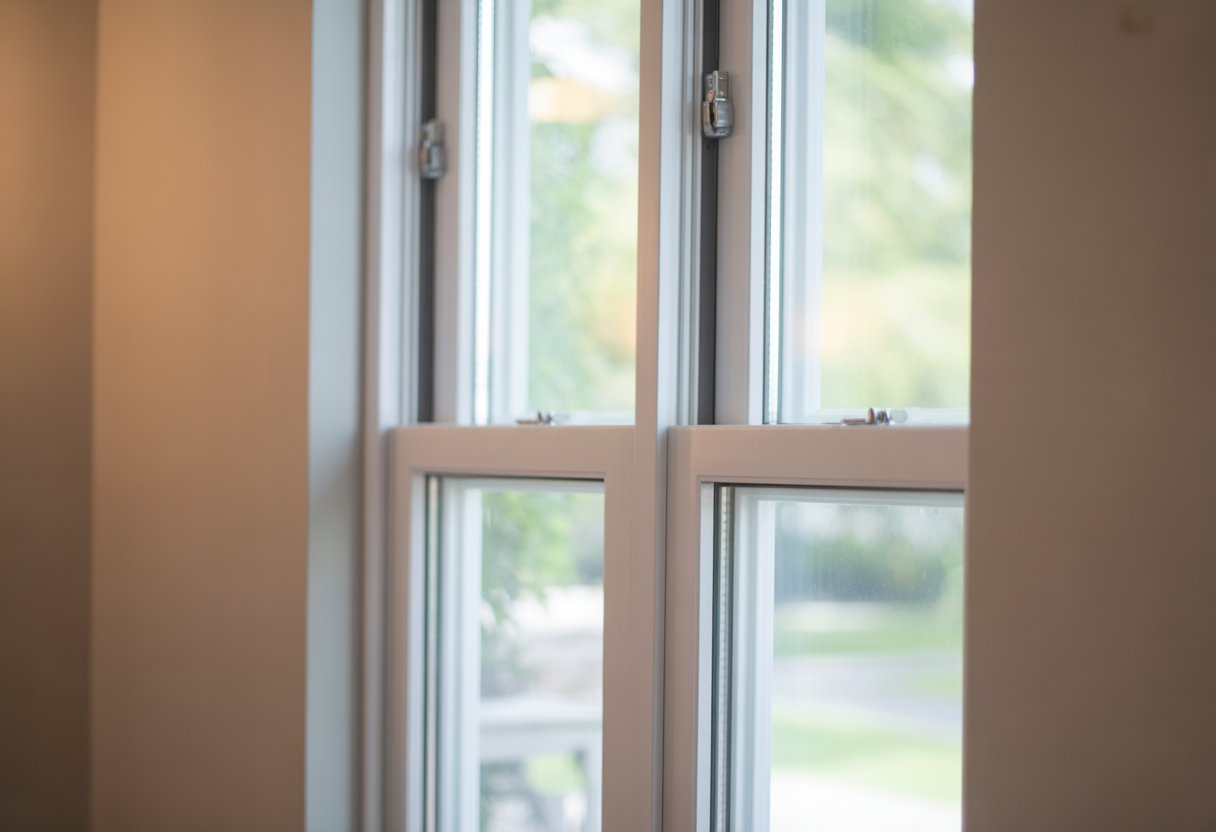
Double-hung sash windows contain two separate panels that move vertically inside the window frame. You can operate each panel independently, which gives you control over how air moves through your home.
Both the top and bottom sashes slide up and down in dedicated tracks built into the frame’s side sections. This design has remained popular in British homes because it combines a traditional appearance with practical use.
You can open either panel on its own or use both together. This flexibility lets you manage ventilation based on your needs at any time.
How They Differ from Single-Hung Variants
Single-hung sash windows and double-hung versions may appear alike, but they work differently. In single-hung windows, the upper panel stays fixed whilst only the lower panel moves.
Key Differences:
| Feature | Single-Hung | Double-Hung |
|---|---|---|
| Operable sashes | Bottom only | Top and bottom |
| Ventilation options | Limited | Multiple |
| Cleaning access | More difficult | Easier |
Double-hung windows provide better airflow because you can open both panels. Warm air escapes through the top whilst fresh air enters from the bottom. This creates a balanced air circulation pattern that single-hung windows cannot achieve.
Many double-hung models tilt inwards, making it simpler to clean the exterior glass from inside your property. This feature proves especially useful for upper-floor windows.
Main Parts and How They Work
Your double-hung sash window includes several essential components:
- Window frame structure
- Two vertical sliding panels
- Balance systems (springs or traditional weights and pulleys)
- Locking mechanisms
- Glazing bars or muntins (if included)
- Bottom sill
- Side jambs
Modern sash windows typically use spring-loaded balance systems rather than the older counterbalance system with weights and pulleys. These mechanisms help the panels move smoothly and hold their position when opened.
You lift the bottom panel upwards or pull the top panel downwards to open the window. The locking mechanism secures both panels when closed. Some designs feature tilt-in operable sashes that pivot inwards for maintenance access.
Fitting and Care
Getting Your Windows Fitted
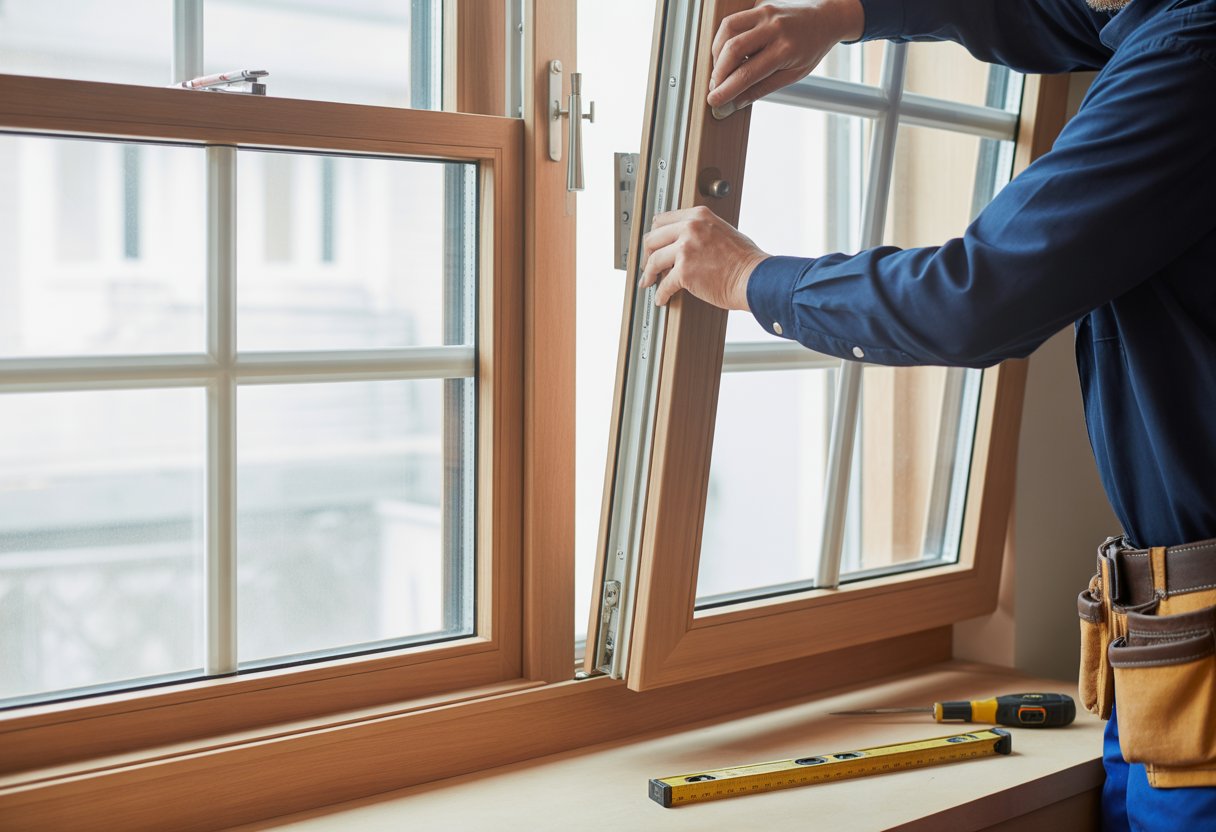
Installing your double hung sash windows correctly makes a big difference in how they perform. Measure the window opening with precision before you start. Use shims to level the frame and make sure all corners form right angles.
Fill any spaces with expanding foam and apply caulk to create a tight seal. This stops drafts and keeps water out. Fix the frame firmly to your home’s structure using appropriate fixings.
Add flashing above the window to guide rainwater away from the opening. Test both sashes to confirm they glide without sticking and lock securely. A proper fit means your windows will function reliably for years.
Keeping Your Windows Clean
The tilt-in feature makes these windows simple to maintain. You can pivot both sashes inward to access the outside glass without climbing ladders. Wash the panes and frames with gentle soap and a soft cloth, then dry them completely.
Remove dust and debris from tracks using a vacuum cleaner. Apply silicone spray to moving components once per year. Inspect weatherstripping around the sashes and replace worn sections to maintain energy efficiency.
Clear weep holes at the bottom of the frame so water can drain properly. Regular attention to these tasks ensures smooth operation and preserves appearance. The ease of cleaning these windows saves you time and effort.
Stopping and Fixing Wood Decay
Timber frames need protection from dampness to avoid decay. Apply paint or sealant to create a barrier against moisture. Repair any cracked or peeling finishes straight away.
Make certain water drains away from your windows. Check wooden sections annually by pressing with a screwdriver to find soft areas. Treat small damaged spots with wood filler.
Extensive decay might require replacing the affected sash or frame section. Keep indoor humidity levels reasonable to reduce condensation on glass and frames.
Thermal Performance and Energy Savings
Heat Retention Capabilities
Your double hung sash windows can deliver strong heat retention when installed properly. The two operable sashes form a barrier that minimises unwanted air movement through your home.
Weatherstripping placed around both sashes strengthens this barrier considerably. Modern frames feature multiple internal chambers that trap air and slow heat loss. This design keeps your rooms more comfortable throughout the year.
Installation quality directly affects how well your windows retain heat. Poorly fitted frames allow draughts and moisture to enter your property. This wastes energy and increases heating costs. Professional fitting ensures proper alignment and sealing.
Double glazing transforms thermal performance by using two glass sheets separated by a space. This gap slows heat transfer between inside and outside. Triple glazing provides superior insulation with three panes but requires a larger investment.
The space between panes can be filled with inert gases like argon, which insulates more effectively than standard air. Your windows also support passive ventilation by allowing you to control airflow through either sash.
Glass Panel Selections
You can choose from various glass options to enhance your window efficiency. Low-emissivity coatings reflect heat whilst permitting natural light to pass through. This maintains comfortable temperatures in both warm and cold weather.
Gas-filled cavities between panes improve insulation beyond standard air gaps. Argon remains the most popular choice, though krypton delivers stronger results at higher cost.
Tinted glass reduces solar heat gain during summer months. However, it also decreases the amount of daylight entering your rooms. Some systems include integrated blinds positioned between panes, offering light control and privacy without external maintenance.
Visual Appeal and Heritage Value
Design Influence on British Properties
Box sash windows have left their mark on British homes for centuries. You’ll find these distinctive features across countless properties built during the Georgian and Victorian periods. The slender glazing bars divide glass panes into neat sections, creating recognisable patterns that define period architecture.
Your box sash window offers more than just good looks. Both sections can slide independently, giving you control over ventilation and light. This practical design made them popular in all types of buildings, from large city residences to smaller rural homes.
If you own a period property today, box sash windows likely form part of its character. Preserving these features maintains the authentic appearance that makes historic British architecture special. Many homeowners choose to restore rather than replace them, keeping the original aesthetic intact.
Construction Materials and Traditional Skills
Wooden sash windows require skilled craftsmanship to build properly. Traditional joiners selected quality timber such as oak or pine for their durability. These woods handle British weather conditions whilst maintaining structural integrity over time.
Creating box sash windows demands precision at every stage. Each component must fit exactly right for smooth movement and effective weather sealing. The glazing bars need careful shaping to support glass panes whilst keeping their slim appearance.
You’ll notice the joinery quality in how well older windows still function. Properly made wooden sash windows can serve your home for generations with appropriate care. Whilst modern alternatives exist, timber maintains its position as the preferred choice for authentic period restoration work.
The specialised knowledge required to produce and repair these windows preserves important traditional building skills within the UK.
Security and Safety Considerations
Built-In Safety Elements
Your double hung sash windows include several safety features that protect your household. Window locks provide security when the windows are shut, creating a barrier against unwanted entry. These locks work alongside limit stops that control how far each sash can slide open.
Limit stops are particularly useful for homes with young children. They prevent windows from opening beyond a safe distance, reducing the risk of accidents. Many models also feature tilt-in sashes that make cleaning safer and more convenient. You can clean both sides of the glass from inside your home without needing ladders or working at height.
Child safety locks offer another layer of protection. These specialised mechanisms restrict opening distances whilst still allowing proper ventilation.
Strengthening Your Window Protection
You can improve security by fitting additional locks to your double hung sash windows. Night latches and sash bolts can be installed on both upper and lower sashes for extra defence against break-ins.
Consider these security upgrades:
- Security film applied to glass panes
- Reinforced locking mechanisms
- Window sensors connected to alarm systems
- Exterior lighting near ground-level windows
Regular maintenance keeps your security features working properly. Check locks every few months and replace any that show wear. Always close and lock all windows before leaving your property.
Frequently Asked Questions
How do these windows function?
Double hung sash windows work with two separate panels that move up and down within the frame. You can slide the bottom panel upwards or pull the top panel downwards. Each panel operates independently from the other.
The windows use either a traditional weight and pulley system or modern spring balances to hold the panels in position. When you push or pull a panel, these mechanisms keep it where you want it without sliding back down.
What advantages do they offer?
You gain better control over airflow with double hung sash windows. Opening the top panel lets warm air escape from the ceiling area whilst the bottom panel brings fresh air in at floor level.
These windows suit period properties and modern homes alike. They maintain their value well and appeal to potential buyers if you decide to sell your property.
The design uses less space than windows that swing outward. You can place furniture directly beneath them without blocking their operation.
Are they simple to clean and look after?
Most modern versions include a tilt feature that lets you rotate both panels inward. This means you can clean the outside glass from inside your home.
You don’t need ladders or special equipment to reach the exterior surfaces. The tilt mechanism makes maintenance straightforward even on upper floors.
Regular cleaning requires only standard glass cleaner and a cloth. You should check the tracks occasionally and remove any dirt or debris that builds up.
What design and material choices exist?
You can select from several material options:
- uPVC – Low maintenance and affordable
- Timber – Traditional appearance with natural insulation
- Aluminium – Slim frames and contemporary look
- Composite – Combines benefits of different materials
The style choices include Georgian bars, Victorian horns, and plain designs. You can choose different colours and finishes to match your property’s character.
Panel configurations vary from single panes to multiple glass sections divided by glazing bars. Your choice depends on your building’s architectural style and your personal preference.
How do they improve thermal performance?
Double glazing in both panels reduces heat loss through the glass. The sealed air gap between panes acts as an insulator.
Draught-proof seals around each panel prevent cold air entering around the edges. Quality weather stripping blocks gaps that would otherwise let heat escape.
You can specify low-emissivity glass coatings that reflect heat back into your room. Some models use argon gas between panes for enhanced insulation.
The independent operation of both panels lets you control ventilation precisely. This means you can reduce condensation without cooling your home excessively.
What factors matter when upgrading existing windows?
You need to measure your existing window openings accurately. Even small measurement errors can cause installation problems.
Check whether your property sits in a conservation area or holds listed status. These designations may require specific materials or designs that match the original windows.
Consider your budget for both purchase and installation costs. Timber windows cost more than uPVC but may be necessary for period properties.
Think about the maintenance commitment for different materials. Timber needs regular painting whilst uPVC only requires occasional cleaning.
Verify that replacements meet current building regulations for thermal efficiency. Your installer should provide documentation confirming compliance with energy standards.
Require Assistance with Repairs?
Contact us now on 01606 333943
Email: info@victoriansash.net