
How to Paint Sash Windows: A Complete Step-by-Step Guide for Lasting Results
Sash windows bring timeless appeal to any property, but they need regular upkeep to maintain their beauty. Learning to paint these traditional windows properly will improve their appearance whilst protecting the wood from weather damage.
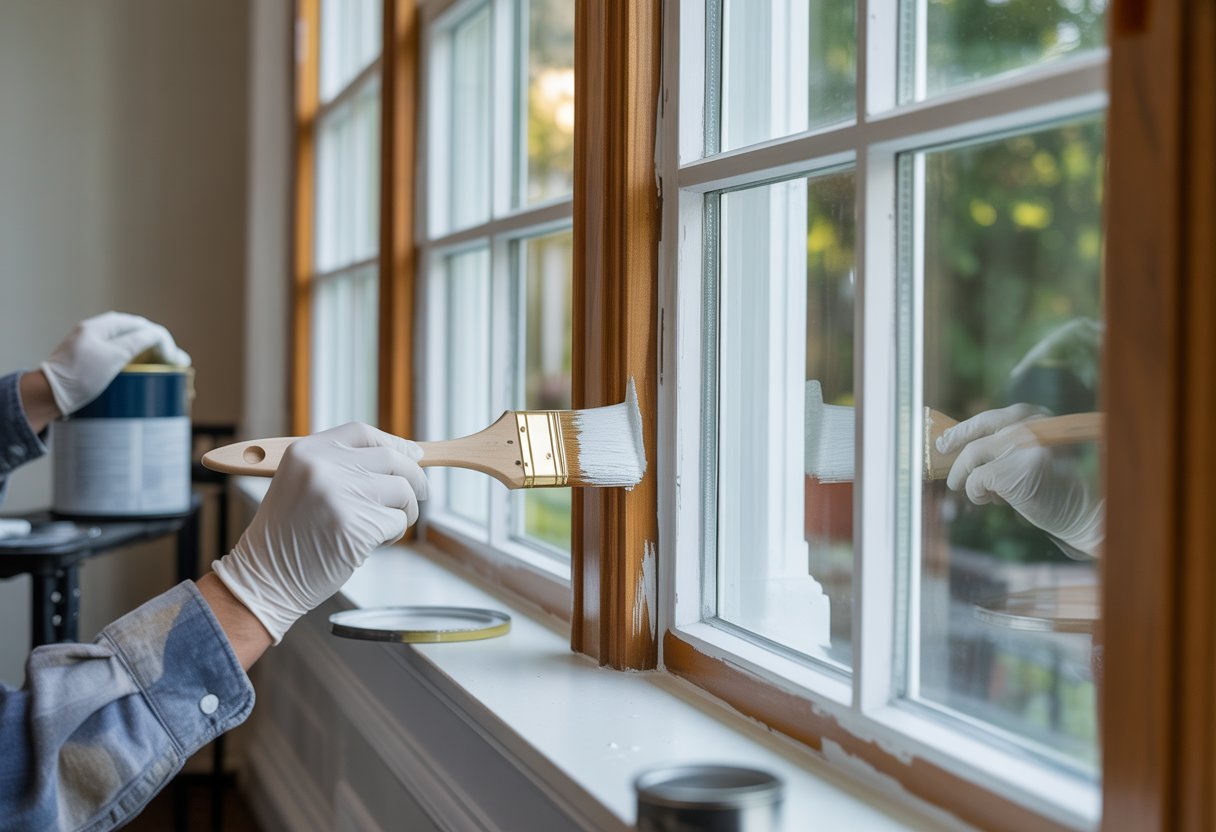
The process involves several important stages, from preparing the surface to applying the final coat. You need to work in the correct sequence and use the right materials to avoid common problems like sticking sashes or uneven coverage. Taking care with each step will give you a professional-looking finish that lasts for years and keeps your windows looking their best.
What You’ll Need
Selecting the Right Paint
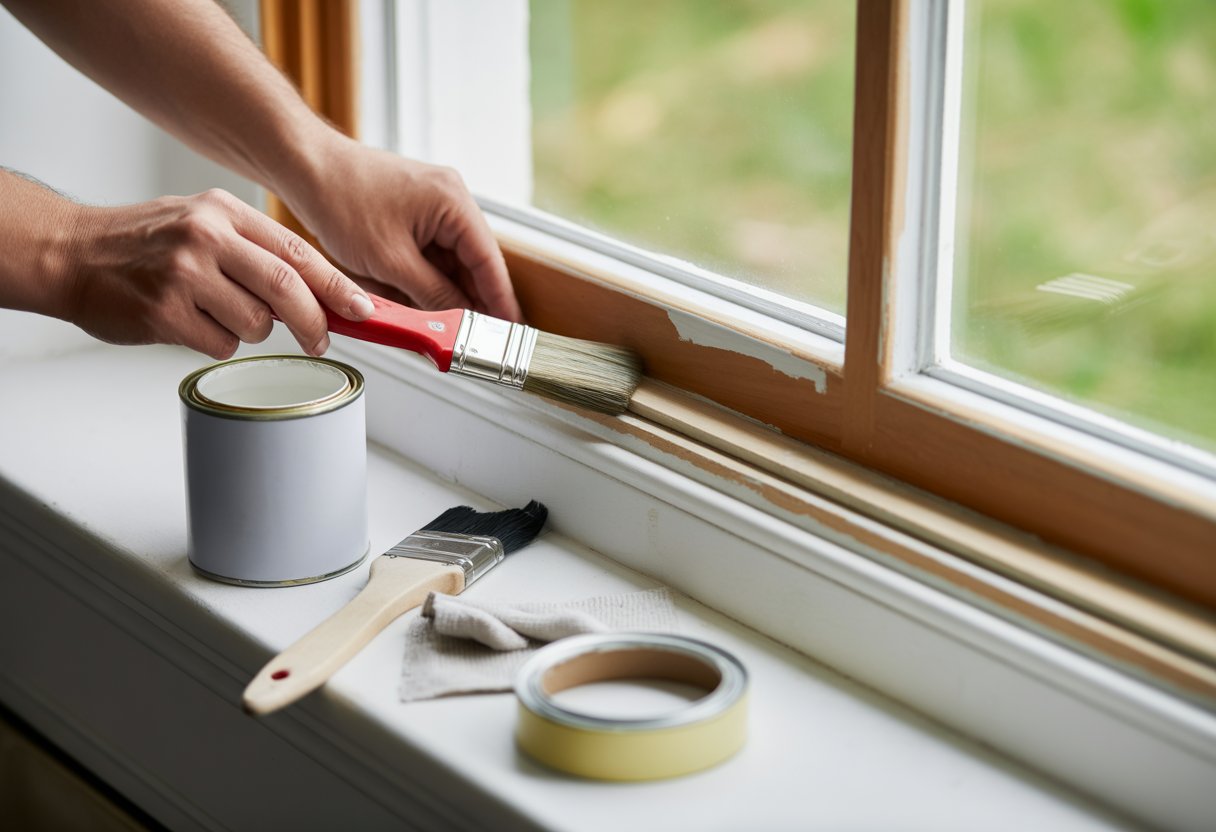
The paint you choose will determine how long your work lasts. Pick an exterior-grade paint that handles rain, wind, and sun exposure. Water-based paints clean up easily with soap and water, whilst oil-based options provide a harder-wearing surface. Make sure the paint is designed for timber surfaces.
Think about colour and finish before you buy. Lighter shades keep windows cooler by reflecting sunlight. Darker colours absorb heat, which can cause issues over time. A satin or semi-gloss finish works best because it resists moisture and wipes clean easily.
Always use a primer first. It helps paint stick properly and adds another layer of protection for the timber. Choose a primer made for external wooden surfaces.
Other Items You’ll Need
You’ll require several tools to properly paint sash windows:
- Sandpaper in various grits (both coarse and fine)
- A sash brush (angled brushes work well for detailed areas)
- Masking tape to protect glass and surrounding areas
- Screwdrivers for removing handles and locks
- A scraper for removing loose paint
- Wood filler for fixing cracks and holes
- Dust sheets to protect floors and furniture
- Clean cloths for wiping down surfaces
A decorator’s knife helps with scraping, whilst a putty knife applies filler smoothly. Keep plenty of rags handy for spills and cleaning brushes between coats. Wear gloves and safety glasses to protect yourself whilst working.
Preparing Your Sash Windows
Fixing Structural Issues
You need to inspect your timber sash windows carefully for signs of decay or damage before you start any painting work. Replace sections of rotted wood using appropriate filler or fresh timber pieces. Secure any loose joints and repair cracks using wood adhesive.
Apply caulk to seal any gaps where the frame meets the wall. Take out old putty from around the glass panes and install fresh putty in its place. Wait until the new putty has fully cured before moving on to painting.
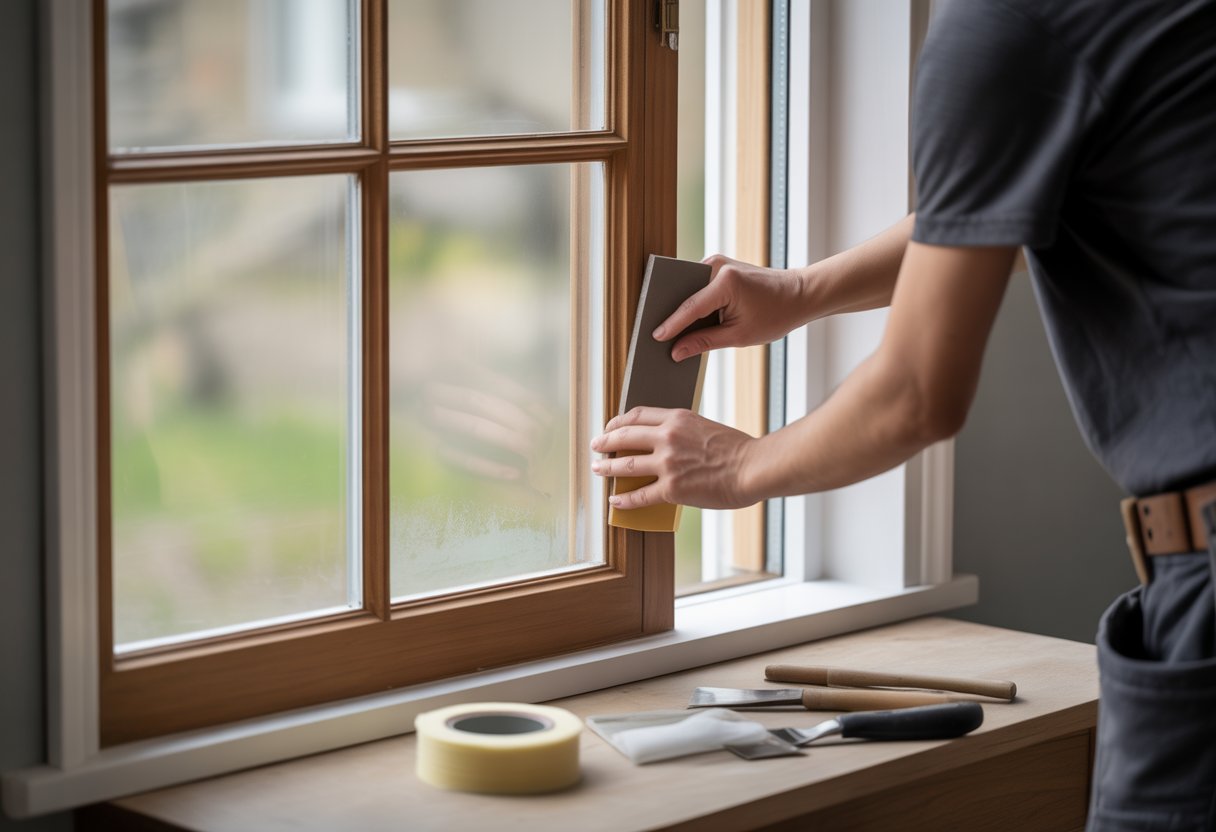
Use sandpaper to smooth down any raised wood fibres or splinters. Fill small holes and dents with wood filler and allow it to dry completely. Sand the dried filler until it sits flush with the surrounding surface. Check that your sash cords and weights work properly and replace them if necessary. Test that the windows slide open and close without catching.
Surface Preparation and Smoothing
Remove all fixtures such as handles, locks and catches from the windows. Scrape away any flaking paint with a paint scraper. Clean all surfaces thoroughly with sugar soap solution to eliminate dirt, grime and grease. Rinse the area with fresh water and allow it to dry fully.
Lay down a dust sheet to protect your floor from debris. Sand the complete window frame and sashes using medium-grit sandpaper to create a smooth base that paint can bond to effectively. Focus on rough patches and edges. Remove all dust particles with a tack cloth.
For windows covered in thick layers of old paint, apply a paint stripper product according to the manufacturer’s directions. Scrape off the softened paint before sanding the exposed wood.
Painting Methods
Putting On Base Layers
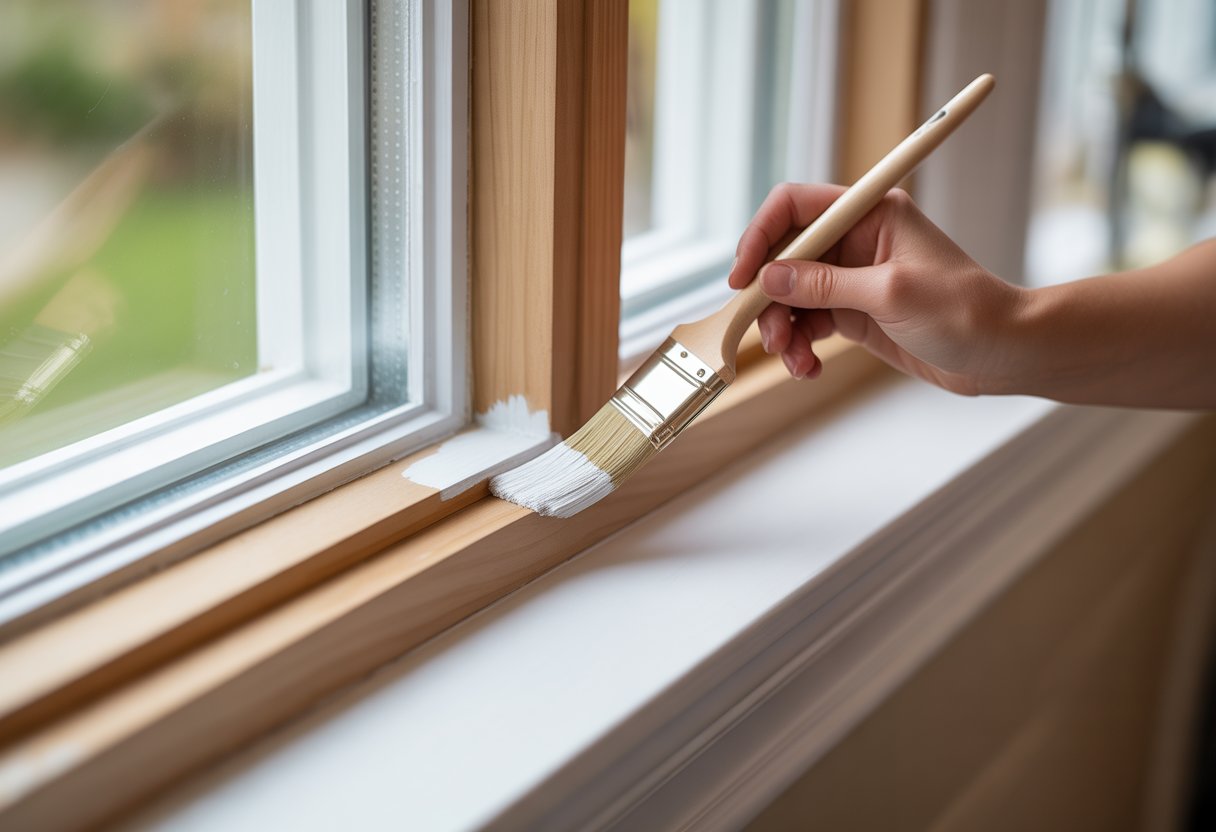
Begin with a primer and undercoat to build a strong foundation for your final paint. Choose a quality brush or compact foam roller to spread the paint uniformly across the surface. Apply the product in light layers, following the natural direction of the timber grain. Let each layer dry thoroughly, then smooth it down gently using fine-grit sandpaper.
Two layers of undercoat provide optimal coverage. Give extra care to spots where you’ve made repairs or where bare timber shows through. Don’t load too much paint onto your brush, as excess product causes drips and creates an uneven surface.
Wait for the final base layer to dry completely before you add your topcoat. Drying typically requires 24 hours, though you should verify the timing on your paint tin.
Creating a Flawless Surface
Use a premium gloss paint made specifically for timber to get a flawless surface. Spread the paint in light, uniform layers with long, fluid movements. Brush along the timber grain to keep brush marks to a minimum.
Painting order:
- Glazing bars first
- Frame sections next
- Sash areas last
Select a narrow brush for intricate sections and a wider one for broader areas. Don’t work the paint too much, as this creates visible brush lines.
Give each layer time to dry fully before adding another. Smooth the surface lightly between layers using fine-grit paper to eliminate dust or flaws. Remove dust particles with a tack cloth before you apply your next layer.
Two topcoat layers deliver the best outcome. This approach guarantees proper coverage and creates a hard-wearing surface that safeguards your timber.
Putting Your Window Back Together
Once the paint has dried, you need to reinstall all the components. Taking care during this step ensures your window works properly for years to come.
Reinstalling Hardware Components
Wipe down all hardware pieces with a damp cloth to clear away any paint spots. Allow everything to dry fully before you start attaching anything.
Line up each piece with the holes where it was originally fitted. Insert the screws and turn them until snug, but stop before they become too tight. Over-tightening can crack the wood or damage the threads.
Installing sash locks:
- Position the lock on the meeting rail where both sashes come together
- Mark the screw holes if needed
- Secure with appropriate screws
- Check that the lock catches properly when engaged
For sash lifts, attach them to the bottom rail of the lower sash. These handles make opening the window much easier.
When fitting new hardware, you may need to drill fresh holes. Choose a drill bit that’s slightly narrower than your screws. This creates a tight grip without splitting the wood.
Maintaining Runners and Glazing Bars
Clean the side runners carefully to get rid of any paint that has built up in these channels. A thin coat of lubricant helps the sashes move smoothly up and down. Beeswax or silicone spray both work well for this task.
Look over the glazing bars for any paint drips or thick spots. Use a sharp blade to gently scrape away excess paint. Work slowly to protect both the wood and glass.
Check where the sashes meet the frame edges. Paint sometimes seals these areas shut. Run a sharp knife along these joints to break the seal and allow movement.
Test both sashes by opening and closing them completely. They should glide without catching or sticking.
Maintenance and Care
Your sash windows need consistent care to function properly and look their best. Timber frames demand more attention than other materials, but proper maintenance extends their lifespan significantly.
Check your windows twice yearly for damage. Look for paint that’s flaking off, cracks in the frame, or parts that have come loose. Fix problems straight away to stop them getting worse.
Your Guide to Painted Sash Window Maintenance Is Complete
Clean frames and glass often using a soft cloth with gentle soap and water. Strong cleaning products can harm the paint finish or damage timber beneath.
Key maintenance tasks include:
- Repainting every 3-5 years to protect timber
- Light sanding before new paint goes on
- Checking weatherstripping condition
- Lubricating pulleys and catches each year
- Applying wood preservative every few years
- Filling small cracks with wood filler
Replace worn weatherstripping to keep your home energy efficient. Use silicone spray on moving parts annually to keep everything working smoothly.
Wood preservative protects against rot and insect damage. Fill any gaps you spot with wood filler to keep water out.
Double-glazed sash windows cost more initially but need less maintenance. They also lower energy bills through better insulation.
Frequently Asked Questions
How should you prepare sash windows before applying paint?
Start by cleaning the windows thoroughly to remove dirt, dust, and grime. Use a mild detergent solution and allow the surfaces to dry completely.
Inspect the wood for any signs of rot or damage. Replace any sections that are beyond repair before you continue.
Sand all surfaces with medium-grit sandpaper to create a smooth base. This step removes old flaking paint and helps new paint adhere properly. Follow up with fine-grit sandpaper for an even finish.
Fill any cracks, holes, or gaps with a suitable wood filler. Once dry, sand these areas smooth so they blend with the surrounding wood.
Wipe down all surfaces with a damp cloth to remove sanding dust. Make sure everything is completely dry before you start painting.
Which paint provides the longest-lasting results for wooden sash windows?
Oil-based paints offer excellent durability for exterior wooden sash windows. These paints resist moisture and weather damage better than most alternatives.
For interior windows, you can use either oil-based or high-quality water-based paints. Modern acrylic paints now provide good durability whilst being easier to clean up and having less odour.
Choose paints specifically formulated for wood trim and windows. These products contain additives that help them flex with the wood as it expands and contracts.
Apply a proper primer before your topcoat. This creates a strong foundation and extends the life of your paint job significantly.
What techniques prevent sashes from sticking after painting?
Never paint the sashes in their closed position. Open them fully before you begin to access all surfaces properly.
Avoid getting paint on the tracks or channels where the sashes slide. Use masking tape to protect these areas during application.
Apply thin coats rather than thick ones. Heavy paint builds up in the joints and causes sticking problems.
Keep the windows slightly open whilst the paint dries. This prevents the sashes from bonding together at contact points.
Wait until the paint is completely dry before closing the windows. This may take 24 to 48 hours depending on the paint type and weather conditions.
What approach works best for painting glazing bars?
Use a small angled brush for glazing bars. This gives you better control and helps create neat, straight lines.
Paint the glazing bars before the surrounding frame. Start at the top and work your way down systematically.
Apply masking tape along the glass edge if you struggle with a steady hand. Remove the tape whilst the paint is still slightly wet to avoid peeling.
Alternatively, allow a tiny overlap of paint onto the glass. This creates a seal that prevents moisture from getting under the paint.
Keep a damp cloth nearby to wipe away any mistakes immediately. Paint is much easier to remove when wet.
How do you remove old paint from sash windows before repainting?
Use a chemical paint stripper for thick layers of old paint. Apply the product according to the manufacturer’s instructions and scrape away the softened paint with a putty knife.
For smaller areas, a heat gun works effectively. Hold it a safe distance from the wood and scrape as the paint softens. Be careful not to scorch the wood or crack the glass.
Sanding works well for removing thin layers or preparing previously stripped surfaces. Start with coarser grits and progress to finer ones.
Pay special attention to areas where paint has built up over multiple applications. These spots may need extra work to bring back to bare wood.
Always wear appropriate safety equipment including gloves, goggles, and a dust mask when removing old paint.
What methods ensure a smooth painted finish on sash windows?
Choose high-quality brushes appropriate for your paint type. Natural bristles work best with oil-based paints whilst synthetic brushes suit water-based products.
Apply paint in thin, even coats. Two or three thin coats produce better results than one thick coat.
Work in the direction of the wood grain. This technique helps hide brush marks and creates a more natural appearance.
Maintain a wet edge as you paint to avoid lap marks. Work quickly enough that you blend each section into the previous one before it dries.
Lightly sand between coats with very fine sandpaper. This removes any dust particles or small imperfections and helps subsequent coats adhere properly.
Paint during mild weather conditions when possible. Extreme temperatures or humidity can affect how paint flows and dries.
Require Assistance with Repairs?
Contact us now on 01606 333943
Email: info@victoriansash.net