
Blog
Can Sash Windows Be Made Child Proof: Essential Safety Solutions for Period Properties
Sash windows add timeless elegance to homes, but many parents question whether these traditional features pose risks to young children. The concern is valid, as windows that open can create dangerous gaps large enough for a child to fall through. The good news is that sash windows can be made completely child-safe without sacrificing their classic appearance.
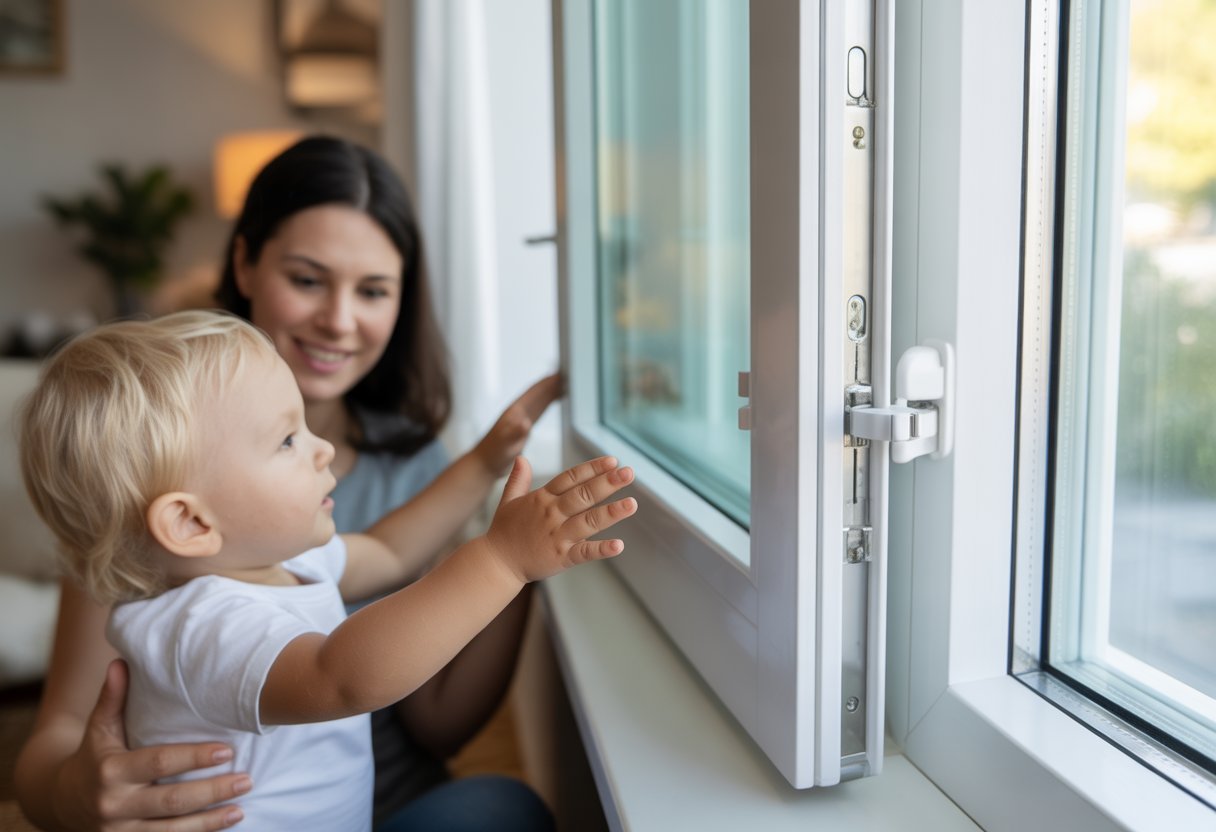
You don’t need to replace your sash windows to protect your family. Modern safety solutions like window restrictors and secure locks allow you to keep the traditional charm of these windows whilst preventing accidents. With the right precautions and proper installation, you can create a home that looks beautiful and keeps your children safe from window-related injuries.
Understanding Sash Windows and Child Safety
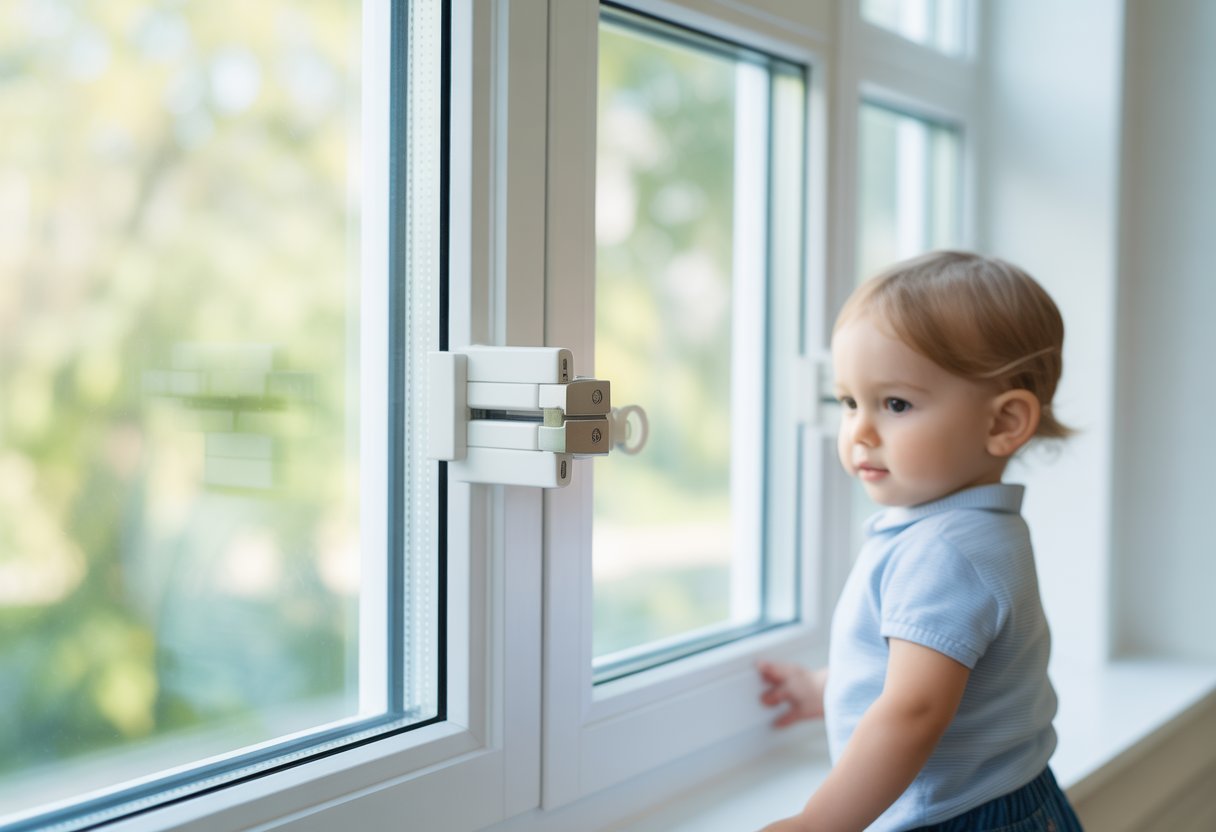
How Sash Windows Function
Sash windows use a vertical sliding system where window panels move up and down within the frame. Traditional designs feature weights, pulleys and cords tucked inside the frame to keep the panels balanced. The bottom section slides upwards whilst the top section can move downwards.
This sliding action creates openings at various heights. Your child can push the lower panel up from ground level or pull it down from above. Once a gap appears, sliding the window further requires little effort.
Newer sliding sash windows often replace the weight system with spring balances, but the vertical movement stays the same. Both older and modern versions can open wide enough to create dangerous spaces without proper safety measures.
Dangers That Affect Children
Falls from windows cause injuries to more than 4,000 children across the UK every year. A fall from only 1.5 metres can lead to serious injuries. Windows positioned low to the ground create greater hazards because small children reach them without difficulty.
Young children climb on furniture placed near windows to see outside or grab toys. The vertical gaps in sash windows can become wide enough for a child to fall through. Period homes with traditional sash windows frequently have lower sill heights than contemporary buildings.
Your child might lean on a window that sits partly open or attempt to climb through the space. Children can work out how to push windows further open even when they seem fastened.
Comparing Sash Windows to Casement Windows
Casement windows swing outward on hinges similar to doors, whilst sash windows move vertically inside their frames. This basic difference changes the safety hazards and the methods needed to protect children.
Main Differences:
- Movement pattern: Casement windows pivot outward; sash windows glide up and down
- Child access: Children push sash windows from below; casement windows need handle operation
- Opening rate: Sash windows move gradually; casement windows swing quickly
- Safety device type: Sash windows require vertical stops; casement windows use arm limiters
- Typical placement: Sash windows often sit lower on walls; casement windows mount higher
- Force needed: Sash windows slide with gentle pressure; casement windows need deliberate handle turning
Casement windows usually mount higher on walls and need you to turn a handle or release a latch. Sash windows in older properties commonly feature lower sills that young children access with ease. Both styles require child protection features, but the solutions vary according to how each window opens.
The sliding nature of sash windows means gaps can appear at multiple points along the frame. Your child might find the bottom section easiest to push upward, creating an opening at a dangerous height. Casement windows present a different challenge because the entire window swings outward once the handle releases.
Understanding Safety Risks and Regulatory Obligations
Dangers and Potential Harm
Sash windows create unique dangers because they slide vertically and form openings large enough for small children to fall through. Young children may push open unsecured windows, lean on them, or use nearby furniture to access upper sashes.
Even short falls can result in severe harm. A fall from just 1.5 metres can cause head injuries, fractured bones, and damage to internal organs. Windows on upper floors present the most significant danger, as falls from these heights frequently result in death.
Key Risk Factors:
- Children aged one to four face the highest risk
- Low window sills near floor level
- Furniture positioned beneath windows
- Unlocked or unrestricted window mechanisms
Each year in England and Wales, roughly 50 children die from domestic window falls, with around 2,300 requiring hospital treatment. Young children lack the ability to recognise danger and can easily slip through standard window openings. Their natural curiosity and limited understanding of risk make window safety essential in any home.
Upper storey sash windows demand particular attention. The combination of vertical sliding mechanisms and traditional designs often means these windows open wide without restriction.
Regulatory Standards and Construction Rules
Approved Document K within UK Building Regulations sets out requirements for protection from falling. These rules mandate that window openings must incorporate safety measures to prevent falls, particularly in homes where children live or visit.
| Requirement | Details |
|---|---|
| New Installations | Must meet current safety standards |
| Major Renovations | Subject to updated compliance rules |
| Height Restrictions | Windows above ground level need limiters or guards |
| Opening Width | Restrictors must limit gaps to safe dimensions |
You must ensure windows comply with regulations during new builds and significant refurbishment projects. Windows positioned above ground level require restrictors that control how far they open or appropriate barriers to prevent falls.
Professional fitting guarantees your windows meet legal standards. Installers must correctly fit all safety components to satisfy requirements and ensure proper function.
As a homeowner, you hold responsibility for keeping windows safe. You should conduct regular inspections of locks, restrictors, and safety devices to verify they continue working correctly.
Safety Organisations and Prevention Guidance
The Royal Society for the Prevention of Accidents offers advice and statistics on window safety hazards. This organisation creates safety guidance using accident data and collaborates with window manufacturers to enhance product safety.
The Child Accident Prevention Trust concentrates on stopping childhood injuries from falls and household accidents. They provide practical guidance for parents on making homes safer, including specific recommendations for sash window safety.
Contributions to Window Safety:
- Publishing research on window falls and injuries
- Developing evidence-based recommendations
- Informing updates to building regulations
- Supporting manufacturers in designing safer products
- Raising awareness amongst parents and property owners
These organisations produce educational resources about preventing window falls. Their guidance shapes regulatory requirements and influences how manufacturers approach window design and safety features.
Key Child-Proofing Solutions for Sash Windows
Limiters and Opening Restrictors
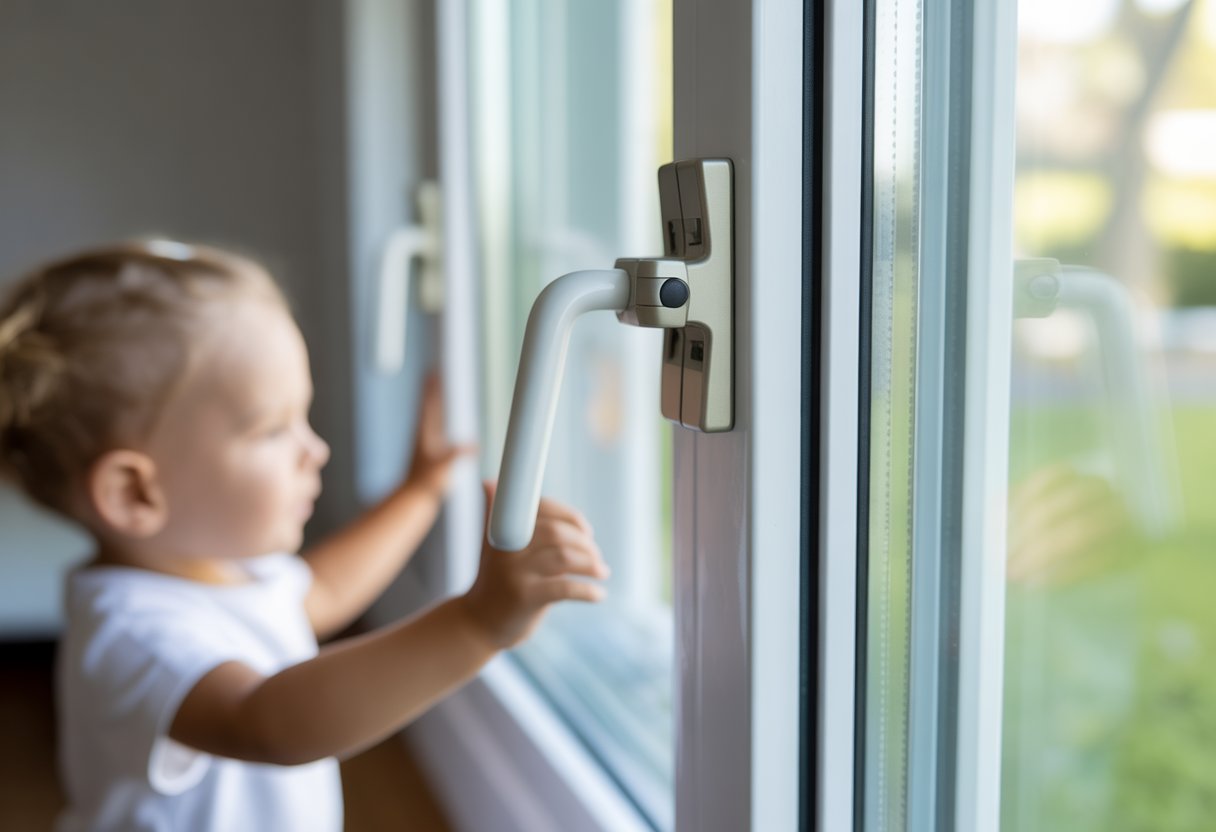
Sash window restrictors control how far your windows can open. These devices maintain ventilation whilst preventing gaps wide enough for a child to fall through. Most limit openings to 100mm, meeting UK safety requirements.
Several types of child safety window restrictors are available. Cable restrictors use a flexible cable connecting the frame to the sash. Lockable restrictors bolt directly onto the frame and physically stop the sash from sliding beyond a set point. Both options typically need a window restrictor key for full opening access.
Window stops function as simpler alternatives. These clip or screw onto the track where your sash slides. You can choose temporary or permanent sash stops based on your requirements.
Restrictor Comparison:
| Type | Security Level | Ease of Use | Reversibility |
|---|---|---|---|
| Cable Restrictors | High | Moderate | Fully reversible |
| Fixed Restrictors | Very High | Requires key | Permanent installation |
| Window Stops | Moderate | Easy | Easily removable |
Install restrictors on both sashes if you own double-hung windows. This prevents children from opening either section to unsafe widths.
Securing Windows with Locks and Stops
Modern sash window locks require a key to operate and protect against intruders and children. Traditional sash fasteners merely pull the two sashes together without true locking capability. Key-operated locks provide proper security for child-safe sash windows.
Dual-screw window stops present another solution. These screw into your frame at a fixed distance from the sill. Your sash opens only to that point unless you remove the screws entirely.
Proper installation matters for effectiveness. Position locks beyond children’s reach at adult height. Ensure screws penetrate deep into solid timber to withstand force if a child attempts to open the window.
You can layer locks with restrictors for enhanced protection. Use locks on windows that remain closed most of the time. Install restrictors on windows you want partially open for airflow.
Protected Glazing Options
Safety glass substantially reduces injury risk if a child impacts or breaks a window. Two types work well in sash windows: laminated glass and toughened glass.
Laminated safety glass sandwiches a plastic layer between two glass sheets. When broken, the plastic holds fragments together instead of scattering sharp pieces. This makes laminated glass ideal for ground-floor windows near play areas.
Toughened glass receives special heat treatment making it four to five times stronger than standard glass. It shatters into small, blunt pieces rather than dangerous shards if broken.
You can upgrade existing windows with safety glass during refurbishment. The weight difference is minor, allowing most frames to accommodate it without alterations. Laminated glass offers bonus sound insulation and UV protection.
Safety Glass Benefits:
- Prevents sharp fragments during breakage
- Maintains window integrity after impact
- Reduces injury severity
- Suitable for heritage properties
Additional Protective Barriers
Window guards create a physical barrier between children and open windows. These metal or rigid plastic frames attach to your window frame and feature spaced bars.
Guards must follow specific spacing rules. Bars should sit no more than 100mm apart to prevent a child’s head fitting through. Secure mounting requires screws penetrating deeply into the wall or window frame, not just surface trim.
Fixed grilles provide a permanent solution integrated into your window structure. They suit windows requiring infrequent full opening. Removable guards with release mechanisms balance flexibility with safety.
Purpose-built sash window guards attach to the box frame without harming historic features. This matters for listed building restrictions. Some designs allow interior removal without tools for emergency evacuation.
Guard Installation Checklist:
- Measure bar spacing (maximum 100mm)
- Identify secure fixing points
- Use appropriate fixings for your wall type
- Test stability after installation
- Verify emergency release function
Choose guards that complement your window style. Modern designs suit contemporary properties whilst traditional patterns preserve period aesthetics.
Enhancing Safety Whilst Preserving Visual Appeal
Preserving Traditional Character and Visual Quality
You can integrate safety measures into your sash windows without diminishing their historic charm. Contemporary window restrictors are manufactured in finishes such as brass and bronze that complement original hardware. These components integrate naturally with existing window furniture.
When you replace glazing with safety-rated alternatives, the visual properties remain unchanged. Light transmission and clarity match standard glass performance. The protective glazing appears identical to original panes whilst reducing injury risks from breakage.
Historic buildings require safety approaches that respect their architectural significance. Ventilation locks permit partial window opening for air circulation whilst limiting the extent children can open them. These fittings mount on interior frame sections, keeping them out of sight from outside.
Hidden Protection Elements for Historic Buildings
Subtle safety installations include:
- Recessed sash stops – fitted within frame channels
- Dual screw locks – placed at meeting rails
- Flush-mounted restrictors – attached to interior frames
- Concealed security bolts – integrated into sash profiles
Most safety hardware installs without creating visible damage to your window frames. Magnetic locking systems suit listed properties where permanent modifications face restrictions. These mechanisms require minimal mounting components and stay nearly invisible.
Window restrictors are produced in colours that coordinate with standard paint selections. White, cream, and timber-effect variants ensure they don’t contrast with your current decoration. Professional fitters can locate hardware in positions that minimise visibility whilst ensuring proper operation.
Secure sash windows benefit from multiple layers of protection. Combining restrictors with appropriate locks creates robust window security without obvious external signs of modification.
Selecting Appropriate Window Coverings and Blinds
Window coverings establish an additional protective layer between children and windows. Cordless blind systems remove strangulation risks from hanging cords and chains. You control them through spring-loaded mechanisms or motorised operation.
Protected window covering choices:
| Treatment Type | Safety Feature | Suitability for Sash Windows |
|---|---|---|
| Cordless roller blinds | No hanging cords | Excellent – slim profile |
| Tension-mounted shutters | No drilling required | Good – period appropriate |
| Fixed secondary glazing | Physical barrier | Excellent – adds insulation |
| Motorised blinds | Remote operation | Good – requires power source |
Maximum protection comes from combining several safety approaches. Pairing cordless blinds with window restrictors provides comprehensive security. Roman blinds with cord tensioners keep loose material away from children.
Shutters deliver both traditional aesthetics and safety benefits for period buildings. They create a solid barrier when closed and fold away discreetly when open. Internal shutters particularly suit Georgian and Victorian sash window installations.
Expert Installation, Upkeep, and Improvements
Why Hire Qualified Installers
When you choose qualified installers for your sash windows, they make certain all safety features meet building regulations and function properly. Research indicates that three out of ten child-proofing attempts fail due to incorrect fitting. Experts evaluate your specific window style and suggest appropriate safety devices that match your requirements.
Qualified installers recognise the distinctions between different frame materials. They understand which safety mechanisms suit timber frames versus aluminium options and how to fit them without causing damage. This knowledge proves essential for older windows that may require additional support or special fixings before you can attach safety equipment.
During a professional assessment, installers identify potential hazards you might overlook. They examine catches for weakness, inspect sash cords for wear, and check frames for looseness that could compromise safety. They determine whether your windows need repairs before adding protective features.
Modernising Period and Wooden Frames
You can update older sash windows with current safety equipment whilst preserving their original appearance. Wooden frames work particularly well for adding restrictors and locks because the material provides solid fixing points. Window refurbishment specialists offer improvements that complement period aesthetics.
Several safety enhancements can be fitted to your existing frames:
- Restrictors that limit opening to 100mm for ventilation without fall risk
- Keyed locks that stop children from opening windows without authorisation
- Safety glass that reduces injury if breakage occurs
Professional installation ensures these additions blend seamlessly with your windows’ traditional design.
You don’t always need complete replacement. Many refurbishment services restore your current wooden windows whilst installing modern safety hardware. This method maintains both period character and protection for your children.
Routine Inspections and Care
Your safety equipment requires regular attention to maintain effectiveness. Check your restrictors and locks every three months for loosening or rust. Professional services examine all moving components, test locking systems, and replace damaged parts during scheduled visits.
Wooden frames need extra monitoring for rot, warping, or paint deterioration that might affect safety fittings. Specialists treat the wood, adjust frames, and verify that restrictors stay secure as timber responds to weather changes.
| Task | Frequency | Who |
|---|---|---|
| Visual check of locks and restrictors | Every 3 months | You |
| Full inspection of all components | Annually | Professional |
| Wood treatment and frame adjustment | As needed | Professional |
Book annual professional inspections to keep your windows performing at their safest. These examinations confirm that all protective features still meet standards and work correctly. Regular upkeep extends your windows’ lifespan and stops minor problems from becoming costly failures.
Further Child Safety Measures and Practical Advice
Arranging Furniture and Installing Safety Barriers
Keep all furniture that children can climb at least one metre away from your sash windows. Sofas, beds, chairs, and toy storage boxes give toddlers easy ways to reach window sills. This clear space stops children from using furniture as a stepping point to access windows.
Safety gates work well as barriers between children and rooms with sash windows. You can install pressure-mounted or hardware-mounted gates in doorways leading to spaces with higher-risk windows, like upstairs bedrooms. These gates are most effective for children under two years old who have not yet learnt to climb over or open gate locks.
Window sills should not hold items that attract children. Toys, television remotes, or decorative pieces tempt young ones to climb up and grab them. Blind and curtain cords need to be stored away from reach because they create both strangulation risks and climbing temptations.
Teaching Children About Window Dangers
Begin teaching window safety when your child can follow basic instructions, usually between ages two and three. Explain that windows are not for playing near or leaning on. Use clear, simple words like “Windows are for looking, not touching.”
Apply the same rules to every window in your house. Children learn boundaries better when rules stay consistent throughout your home. Repeat these lessons often because young children need regular reminders to retain safety information.
Your own behaviour matters because children copy what adults do. If you lean out of windows or handle them carelessly, your children will likely copy these actions. Show them the correct way to look outside whilst staying a safe distance from the glass and opening parts.
Connecting With Home Security Systems
Home security systems can include sensors that alert you when your sash windows open. These sensors send immediate notifications if a child opens a window past its restricted limit. You can track these alerts through mobile phone apps from anywhere in your home.
Smart home technology lets you lock windows from a distance using connected lock systems. Advanced systems allow you to set specific times when windows can be unlocked, adding protection during unsupervised periods. These systems also connect with your current alarm setup to build a complete safety network.
Cameras in rooms with sash windows where children play provide extra monitoring. This does not replace watching children directly, but it helps you keep track of several rooms at once. Place cameras to view window areas whilst respecting privacy in bedrooms and bathrooms.
| Safety Feature | Best For | Key Benefit |
|---|---|---|
| Window sensors | All ages | Instant alerts when windows open |
| Smart locks | Children aged 3+ | Remote control and scheduling |
| Safety cameras | Toddlers | Multi-room monitoring |
Frequently Asked Questions
How Can You Keep Children Safe Around Sash Windows?
You have several effective options to protect children around sash windows. Window restrictors are your best choice as they limit how far you can open the window to a safe gap of 100mm or less. This prevents children from creating an opening large enough to fall through.
Safety glass adds another protection layer. Laminated or toughened glass reduces injury risk if a child accidentally impacts the window.
Window locks stop children from opening windows without permission. You can fit them to both top and bottom sashes. They work especially well on ground-floor windows where children can reach the handles.
Which Locks and Fittings Work Best for Child-Proofing?
Dual screw locks are excellent for sash windows because they secure windows at multiple points. You can fit them to both sashes to prevent any movement when locked.
Sash stops let you set a maximum opening distance. These fittings allow room ventilation whilst keeping the gap too narrow for children to fit through.
Key-operated locks offer the highest security. You control when windows open, and children cannot bypass them. Store the key somewhere children cannot reach it.
What Changes Can You Make to Existing Sash Windows?
Begin by fitting window restrictors to all sash windows above ground level. A professional can install these without harming your frames. The restrictors attach to the frame and permit ventilation whilst maintaining safety.
Fit locks to the meeting rails where top and bottom sashes overlap. This stops children from sliding the sashes open. Choose locks that match your window’s current hardware.
Think about upgrading to safety glass if your windows have single-pane glass. A glazier can replace the glass without replacing the frame. This keeps your sash windows’ character whilst improving safety.
What Safety Standards Apply to Child-Proof Sash Windows in the UK?
Building Regulations Part N sets safety standards for window glazing. Any glass within 800mm of floor level must be safety glass. This requirement covers new installations and major renovations.
Window restrictors must limit openings to 100mm or less when engaged. This measurement meets British Standards for preventing child falls. The restrictor should let adults override it for cleaning or emergency escape.
All child safety devices must withstand force from a child. They should not fail during normal use or when a child pushes against them.
Can You Add Child-Proofing Without Ruining the Classic Look?
Modern safety devices are made to be discreet. You can find window restrictors and locks in finishes that match traditional ironmongery. Options include brass, bronze, and chrome that blend naturally with period features.
Internal restrictors fit inside the window frame where they remain barely visible. They work effectively whilst maintaining the window’s external appearance. This option suits listed buildings or conservation areas where external changes face restrictions.
Professional installers can position safety features to reduce visual impact. They know how to preserve your windows’ appearance whilst meeting safety requirements.
What Professional Services Improve Safety for Traditional Sash Windows?
Sash window specialists offer complete child-proofing services. They assess your windows and suggest suitable safety measures based on your home’s layout and your children’s ages. These experts install restrictors, locks, and other devices correctly to ensure proper function.
Window refurbishment companies can upgrade your existing sash windows with safety features during restoration work. They combine draught-proofing, repairs, and child safety installations in one service. This approach saves time and keeps consistency across all your windows.
Glaziers can replace standard glass with safety glass in your sash windows. They measure precisely and fit new glass to match your frames exactly. Many glaziers work specifically with period properties and understand traditional window requirements.
Considering Sash Window Maintenance?
Regular maintenance keeps your sash windows safe and functional. Check restrictors and locks work properly. Inspect glass for cracks or damage that could pose safety risks.
Clean and lubricate moving parts to ensure smooth operation. This prevents children from struggling with stiff windows that might suddenly give way.
Schedule professional inspections every few years. Experts spot potential safety issues before they become problems.
Require Assistance with Repairs?
Contact us now on 01606 333943
Email: info@victoriansash.net